
Chimpanzees: Scientists have discovered 13 plants that could have medicinal uses - thanks to wild chimps

British scientists have identified 13 plants may one day be able to develop into new human medicines - by watching wild chimpanzees.
A new study from the University of Oxford, published this week in science journal Plos One, saw researchers follow 51 chimpanzees at the Budongo Central Forest Reserve in Uganda for several months - looking for “behavioural clues” to find out whether primates were intentionally self-medicating.
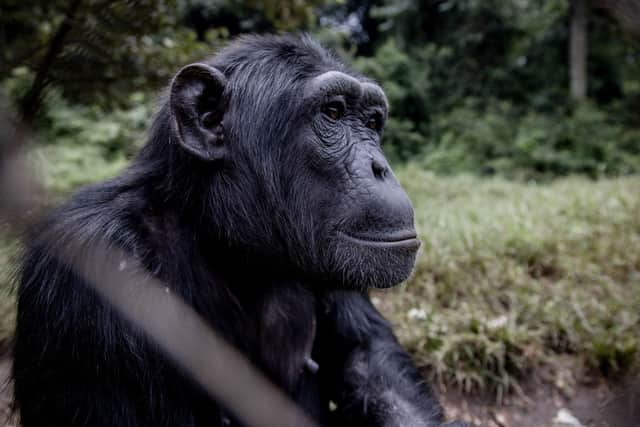

They saw the great apes feed on bark, dead wood and leaves from plants that were not part of their normal diet after becoming ill or injured. Video recordings showed a wounded male chimpanzee eating the leaves of a fern called Christella parasitica, which was later shown to have anti-inflammatory properties when tested in the lab - and may have helped him reduce pain and swelling.
Lab tests showed the ailing chimps - suffering everything from wounds to parasite infections - were onto something. Other plant extracts, such as dead wood from a tropical forest tree called Alstonia boonei, and bark and resin from the East African mahogany tree (Khaya anthotheca), were found to have strong wound-healing and infection-fighting properties.
A majority of the plant samples (88%) analysed in the lab had antibiotic properties and 33% showed anti-inflammatory benefits, the researchers said. Along with bonobos, chimpanzees are human’s closest living relatives, and researchers said that watching how they sought help from nature when unwell could help fast-track the discovery of new drugs.
Dr Elodie Freymann, from the University of Oxford’s School of Anthropology and Museum Ethnography, told PA: “Our study highlights the medicinal knowledge that can be gained from observing other species in the wild and underscores the urgent need to preserve these forest pharmacies for future generations.”
Studying wild chimpanzee self-medication had seen them acting like detectives, she continued, gathering evidence to piece together a case that the animals had some understanding of what they were doing. “After spending months in the field collecting behavioural clues that led us to specific plant species, it was thrilling to analyse the pharmacological results and discover that many of these plants exhibited high levels of bioactivity.”
Chimps are not the only great apes observed to have seemingly medicated themselves using plants. Back in May, scientists published a world-first report detailing how they had witnessed a wild Sumatran orangutan chewing the leaves of a plant known to have pain-killing properties - and applying the juicy mixture to a wound on his cheek.
The ape, a male named Rakus, was believed to have suffered the facial injury three days earlier, before biologists saw him smearing the chewed leaves onto his wound until it was fully covered - a process that lasted more than 30 minutes. The researchers said there were no signs of infection, and the wound closed up over the next five days, with Rakus making a full recovery.