
Beavers pave way for endangered water voles to return to Scottish rainforest

Water voles have been declining across the UK, but thanks to a colony of beavers they may have a perfect new home.
Beavers reintroduced to a Scottish rainforest in 2009 may have created the “right conditions” for another at-risk native species to flourish.
Water voles were once abundant in Scotland, but are now one of the country’s most threatened native animals. The semi-aquatic rodents have all but vanished from 94% of the sites they once called home - and their numbers have fallen from eight million to just 132,000 over the last century.
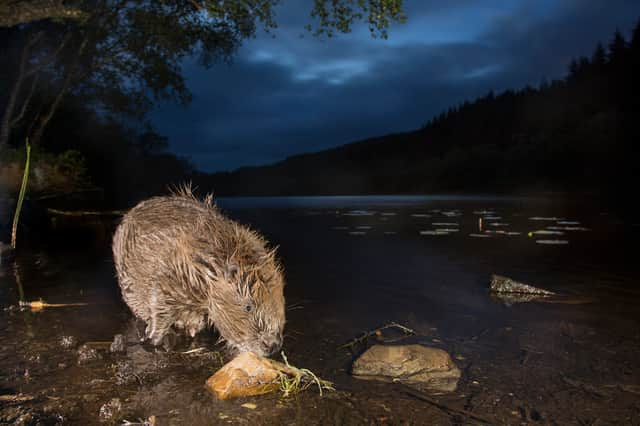
However, conservationists say beavers reintroduced to the forests of Knapdale 15 years ago have built complex dams in the area. These have created new habitats along watercourses, where they suspect water voles may be able to thrive once more.
Forestry and Land Scotland (FLS) wildlife manager John Taylor told PA the beavers had flooded a few places, but had also done a lot of good. “They’ve increased what we call edge habitat - instead of a harsh change from water to land, the edges along the burns and lochs are softened and seasonally flooded. This more complex boundary between water and land could be excellent for water voles.”

Mink were one of water voles’ main predators, he continued. “If you have a very simple burn or loch, it’s easy for mink to find the water voles’ burrows - and the female mink is small enough to get right inside.” But the Knapdale beavers had “blurred the boundaries between water and land”, which meant more places for water voles to hide.
Wildlife ranger Pete Creech, from the Heart of Argyll Wildlife Organisation - which is working with the FLS to reintroduce the rodents - said beavers were better engineers than humans when it came to creating wetlands. “We have a huge advantage in Knapdale that will assist the return of water voles, the engineers of their habitat have been busily creating the right conditions for the past 15 years.
“The human creation of wetlands is an extremely costly undertaking and, frankly, we’re not as good at it as beavers,” he added. It would hopefully be a chain reaction, with the water voles themselves able to help create conditions that support other wildlife.
“Water voles and beavers are complementary species and, in their own way, the voles are as busy eco-engineers as their bigger cousins,” Creech said. “Their nibbling of sedges and grasses provides space for a greater diversity of wildflowers, while their burrowing shifts soil nutrients to the surface, increasing their accessibility for plant growth.”
Beavers, hunted to extinction across Great Britain in the 16th century, are ecosystem engineers - with their dam building tendencies meaning they shape entire habitats around them. The Knapdale beavers are just one of a multitude of reintroduction projects making waves across the country.
NatureScot recently got permission to reintroduce six beaver families to UK's biggest national park - the Cairngorms - in what they hope will bring huge ecological benefits to the area. Meanwhile, beavers have been reintroduced to multiple different parts of London, with one pair even welcoming the city’s first bouncing baby beaver in 400 years.
Amber Allott is NationalWorld’s environment and sustainability specialist, covering all things green - from climate to conservation. If you liked this article you can follow Amber on X (Twitter) here and sign up for the free daily NationalWorld Today newsletter here - with Amber bringing you the UK's most important, pressing, weird and wonderful environmental stories every Tuesday.