
Tracking the greater white-toothed shrew: How you can help monitor UK's new shrew - by dissecting owl pellets

Citizen scientists keen to help the Mammal Society out will be mailed owl pellets, and asked to record the shrew parts they find online.
A UK conservation charity needs volunteers to help analyse ‘owl pellets’ for parts of a potentially invasive mammal - before it becomes a big problem for native wildlife.
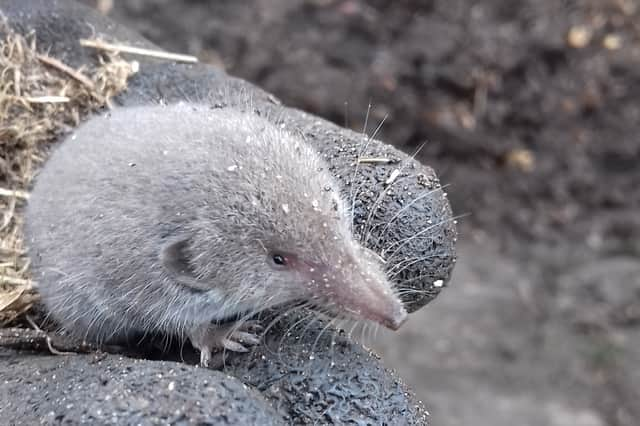

This week (20-26 May) is Invasive Species Week, and the Mammal Society is offering to mail out bird of prey ‘leftovers’ to members of the public, to help to track the spread of a newly-arrived shrew species. The greater white-toothed shrew is native to Europe, North Africa and some of the Channel Islands. It’s similar in size to Britain’s common shrew, but can be told apart by its prominent ears and long white hairs on its tail.
Found for the first time in 2021 after a Sunderland cat called Jeff brought one home to his owner, there are now two known populations of the new arrivals in County Durham and Nottinghamshire - with the second covering some 90 square-kilometres.
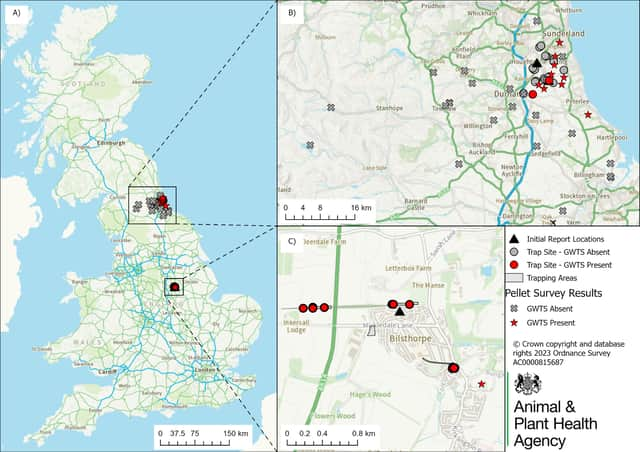
The greater white-toothed shrew could be a big problem if it becomes established here, and the Mammal Society warns it could displace and outcompete native small mammal species. Most at risk is Britain’s very smallest mammal - the pygmy shrew. Greater white-toothed shrews have already wreaked havoc on them in Ireland, where they were first discovered in 2007, and pygmy shrews have disappeared altogether from many of the areas where their rivals are found.
Mammal Society CEO Matt Larsen-Daw told NationalWorld that at this early stage, he couldn’t speculate on what conservation actions might be needed to control the greater white-toothed shrew population in Britain - if it even needed to be controlled. That would all depend on the population density they reach, their behaviour in our native ecosystems, “and of course the nature of the impact they have on our native wildlife”.
“As this suggests, the data that people can help us gather though participation in this project is absolutely essential to informing and enabling conservation,” he said. “It is rare that we have an opportunity to start monitoring a situation at the early stages, and it could lead to us being able to assess the need and develop an action plan in time to prevent large-scale decline of our native species, rather than playing catch-up and trying to address a problem that has already had a major impact - as is usually the case. It allows us to look at preventative solutions rather than having to look at restoration alongside mitigation.”
How to take part in the ‘Searching for Shrews’ project
There are a number of ways you can help the Mammal Society monitor greater white-toothed shrews this Invasive Species Week and beyond. In a special partnership with the Barn Owl Trust, the Mammal Society is seeking volunteers who would be eager to try dissecting and analysing an owl pellet.
Owls are birds of prey, and many of Britain’s owls hunt voles. They regurgitate the undigestible bits of their prey, like fur or bones, into neat pellets - and breaking them up can offer a lot of insight into both what owls eat, and which small mammal species can be found in a particular area.
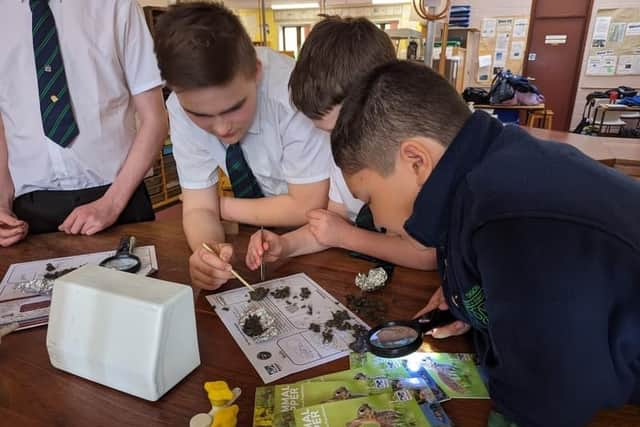
Anyone can volunteer to be a pellet dissector by filling out the online application form here. If your request is accepted, you’ll be sent some sanitized owl pellets, along with an information pack that contains everything you need to know about how to break them up - and identify what you find.
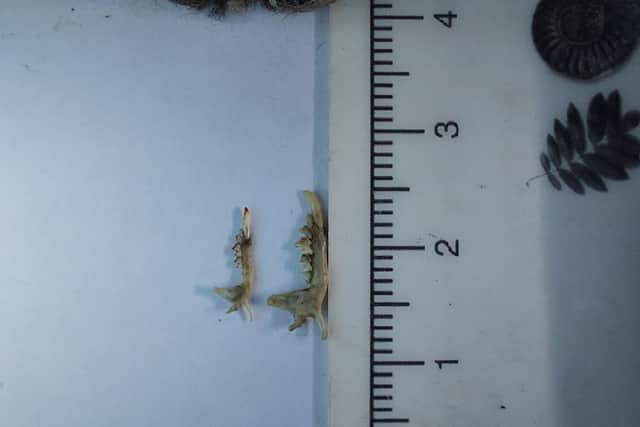
All of Britain’s three native vole species have red-tipped teeth, whereas greater white-toothed shrews have completely white teeth (as their name suggests), a sure-fire way to tell them apart. To report your findings after you’re done, you should snap some pictures, and submit them via the ‘Mammal Mapper’ app - available for free from the App Store and Google Play.
If you think you’ve found some barn owl pellets of your own, you can also get some guidance on how to identify and dissect them yourself on the same webpage - or even send them in for another volunteer to dissect. If you dissect your own, you can email your findings through to [email protected] to be counted.
If you’d like to pass them along, you can collect them in a carrier bag. If they’re already dry, you should add a label that clearly states the date the pellets were collected, where they were collected from (address, postcode, OS grid reference, or what3words), your name, and your email address or phone number. Then simply tie a knot to seal the bag and mail it to Freepost - MAMMALSOC within two days.
If they are still wet, you should spread them out on newspaper or cardboard to dry out. Once completely dry, put them in a knotted carrier or zip bag and keep in a freezer until you are ready to post them. The Mammal Society asks people not to disturb birds or nests to collect pellets.
Ad hoc sightings of shrews, including any found dead or caught by pet cats are also useful to the charity, and can also be submitted on the Mammal Mapper app. Other ways to potentially spot a greater white-toothed shrew could be with a camera trap (motion-operated trail cameras can be modified to photograph small mammals using a box). You can submit shrew sightings of this sort via MammalWeb here.
Amber Allott is NationalWorld’s environment and sustainability specialist, covering all things green - from climate to conservation. If you liked this article you can follow Amber on X (Twitter) here and sign up for the free daily NationalWorld Today newsletter here - with Amber bringing you the UK's most important, pressing, weird and wonderful environmental stories every Tuesday.