
Weever fish: Venomous animals wash up on West Sussex beach

A warning has been issued after venomous fish washed up on the beach in Littlehampton.
Arun District Council said the tide has brought in some weever fish on to Littlehampton beach.
“These fish have a nasty sting if you touch them or tread on one,” the council advised residents, via social media, on Wednesday, August 6.
"We suggest you wear suitable beach shoes to protect yourself and don’t be tempted to touch or pick them up.
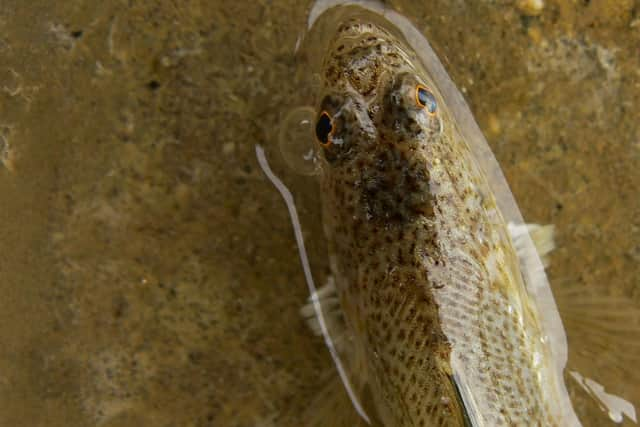

“The next high tide should take them away. We have not had any reports on any other beaches but please stay vigilant.”
These fish have tiny venomous spines on their dorsal.
According to The Wildlife Trusts, there are two species of weever fish – ‘lesser and great’
"They are some of the only venomous fish in UK waters,” the website added.
"They spend most of their lives buried in the sand, but when disturbed, they shoot up their black dorsal fin in defence, injecting a painful venom into unsuspecting victims!
"[They have a] upturned, grumpy mouth, with a deep yellowish body tapering down towards the tail. Eyes sit on top of the head as the rest of the body is usually buried in the sand. Black dorsal fin contains the venom, along with spines on gill covers.”
Weever fish are found all around Britain, most common in the south and south west.
“If you are stung by a weever fish, then place the body part in as hot water as you can bear, as quickly as possible,” The Wildlife Trusts added. “After 15 minutes or so, the pain should ease. To avoid being stung, you should always wear beach shoes when paddling in sandy waters!
"Always follow the Seashore Code when rockpooling, be careful to leave everything as you found it – replace any rocks you turn over, put back any crabs or fish and ensure not to scrape anything off its rocky home.”