
Whiteflies: Why tiny white creatures are swarming across the UK - and how to get rid of them

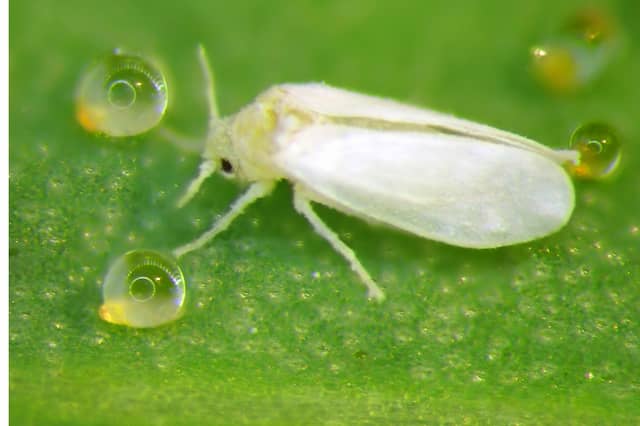

You may have seen them in the last couple of weeks fluttering around bushes - or in some cases landing on your car in droves.
They are fairly clumsy and often fly directly into your face, but while they look like miniature moths, the tiny insects, which are less than 1mm long, are actually whiteflies.
What are whiteflies?

Whiteflies can easily be mistaken for blossom, or ash, or other things that may be caught om the breeze. The creatures are out in force all over the UK at the moment, particularly during sunny weather as we experienced last week.
They are a relative of the sap-sucking aphid (greenfly) and though they love feeding off plants, they seem to be attracted to shiny cars and people’s coats. There are eight species of whitefly found in Britain.
What are the problems with whiteflies?
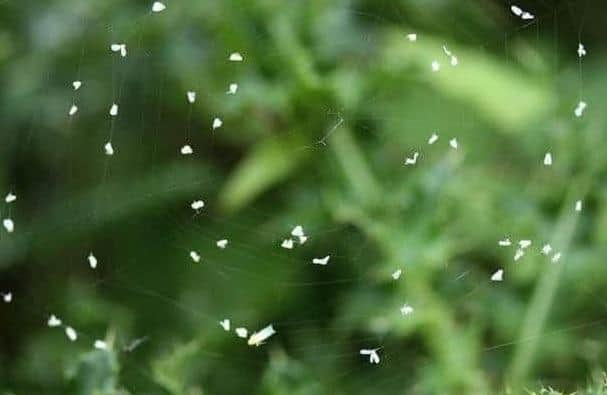
Whiteflies are harmless to people but can be a pest in gardens, where they will much their way through leaves and can wreck autumn vegetable patches - in particular cabbages and other brassicas such as Brussels sprouts. They are seen more in hot autumn weather, so last week’s warmth has proved perfect for them to breed.
In warm climates and in greenhouses, whiteflies can prove a real difficulty. They excrete a sticky substance called honeydew, which allows the growth of “sooty moulds”.
They are so small that even some fine mesh cannot keep them away from plants. Worldwide economic losses are estimated at hundreds of millions of pounds a year.
What are the upsides of whiteflies?

The Royal Horticultural Society says that whiteflies are nourishment for other animals that are of more use in the food chain and the ecosystem, such as ladybirds, lacewings, wasps and spiders - and these all help to control pests in general.
How do I get rid of whitefly?
To get rid of whitefly try washing plants with a mixture of either washing-up liquid and water, or vinegar and water.