
Lake Kivu Tragedy: Over 78 dead in overloaded boat - shocking footage
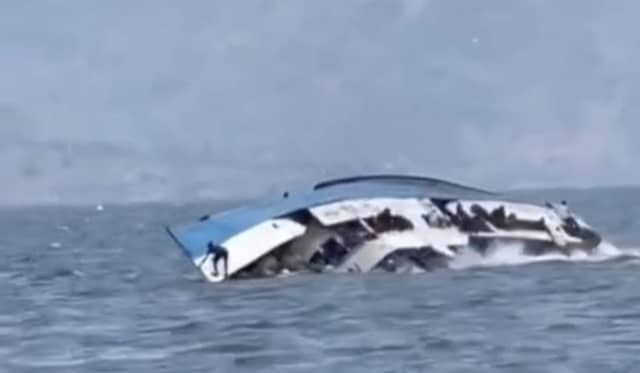

At least 78 people have been confirmed dead after a boat carrying nearly 300 passengers capsized just short of its destination, on Lake Kivu in the eastern Democratic Republic of the Congo.
Rescue operations are ongoing, with local authorities fearing the death toll could rise as many remain missing. The boat, departing from the town of Minova, sank only 100 meters from the shores of Goma, sparking a desperate search for survivors. As safety concerns mount over the increasing use of overcrowded boats in the region, this tragedy casts a stark light on the risks faced by those escaping conflict on dangerous waters.
A tragic event unfolded on Lake Kivu, located in the eastern Democratic Republic of the Congo (DRC), where at least 78 people lost their lives when a boat carrying over 300 passengers capsized. The incident, which took place on Thursday, has left the region in mourning, with search and rescue efforts ongoing. Governor Jean Jacques Purisi of South Kivu province reported the grim situation, highlighting that search teams are still working to recover missing bodies. “It’ll take at least three days to get the exact numbers, because not all the bodies have been found yet,” Purisi told Reuters, painting a picture of the challenging and heartbreaking work underway.
The Disaster Unfolds
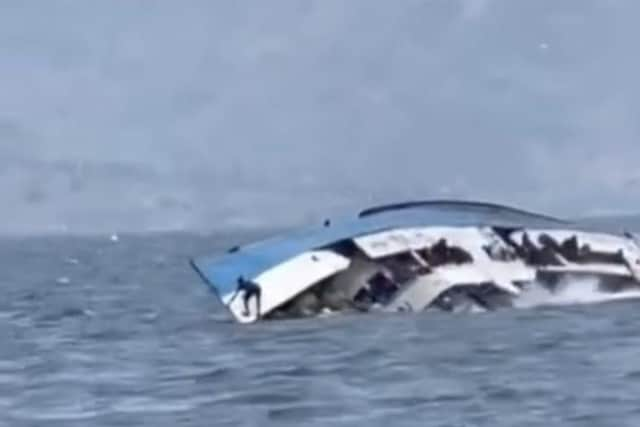
The vessel, which was traveling from the town of Minova in South Kivu province, overturned just 100 meters from its destination on the shores of Goma, the capital of North Kivu province. Out of the 278 passengers onboard, only 58 were successfully rescued. The proximity to the shore makes the incident even more tragic, as it raises questions about the conditions that caused such a catastrophic event so close to safety.
While the precise cause of the boat’s sinking has yet to be confirmed, overcrowding is often a major factor in such tragedies. Boat travel across Lake Kivu has become an increasingly common choice for those living in the region, as it offers an alternative to dangerous land routes. Much of the region is embroiled in conflict between the Congolese government and the M23 rebels, making land travel perilous.
Growing Trend of Overcrowded Boats
This tragedy is part of a troubling trend in the Lake Kivu area. In recent years, the combination of poor infrastructure, political instability, and rebel activity has forced many residents to opt for boat travel, despite the risks involved. Overcrowded boats are a persistent issue, and with limited enforcement of safety regulations, many vessels are prone to accidents. This incident is one of many that highlight the dangerous conditions for travelers in the DRC.

Historically, boat accidents in the DRC have been frequent due to overloading, poor maintenance, and the lack of safety equipment like life jackets. The DRC’s waterways are vital for transportation, but under-regulated, making boat travel hazardous, especially during the rainy season when conditions can deteriorate rapidly.
Broader Context: Conflict and Humanitarian Challenges
The region around Lake Kivu has long been a flashpoint for violence and conflict, with millions displaced due to fighting between government forces and armed groups, including the M23 rebels. The instability has severely limited safe travel options for locals. The boat passengers likely sought refuge from these dangers by traveling on Lake Kivu, only to face another kind of risk. This tragic incident underscores the harsh reality for those living in this volatile region, where even seemingly safer alternatives like boat travel can turn deadly.
The continued fighting between the Congolese army and rebels, particularly in the North Kivu and South Kivu provinces, exacerbates the humanitarian crisis. Many civilians are caught between the violence and the lack of reliable infrastructure, forcing them to make perilous journeys just to move between towns.

Ongoing Search and Rescue Operations
As search operations continue, local authorities are working to identify the bodies of the victims and provide aid to survivors. Rescue teams are dealing with difficult weather conditions and limited resources, which have slowed the recovery process. The Congolese government, along with aid organizations, is stepping in to assist with the ongoing efforts, but the scope of the tragedy has overwhelmed local capabilities.
For many, this accident is a grim reminder of the need for improved safety regulations on Congolese waterways. International organizations have also expressed concern, calling for increased attention to transportation safety in conflict zones like eastern DRC. Families of the victims are demanding accountability, hoping that this tragedy will lead to meaningful reforms.
A Call for Change
This boat capsizing marks one of the worst tragedies on Lake Kivu in recent memory, and it highlights the urgent need for both local and international attention. The dangers of overcrowded boats and the broader challenges of living in conflict zones demand immediate action to prevent further loss of life.
While rescue operations continue, the focus will eventually shift to the underlying issues that led to the disaster. A combination of stronger enforcement of safety regulations, improved infrastructure, and conflict resolution could help mitigate future tragedies. For now, the region mourns the lives lost and prays for the recovery of those still missing.
This disaster serves as a stark reminder of the risks faced by civilians in war-torn regions and the urgent need for better transportation safety, even in the midst of ongoing conflict.