
Faith Under Fire


They may not carry weapons, but they’ve been on every frontline from Helmand to Ukraine. As religion fades and war changes, military chaplains are still holding the line, offering troops someone to talk to when no one else can, argues historian and author, Dr Linda Parker.
In the history of military chaplaincy across western nations, I can think of no era in which international tensions and societal values have shifted so rapidly as they have in the 21st century. As a historian of war and religion, and someone who has worked closely with military chaplains past and present, I’m often asked whether they are still relevant in today’s increasingly secular, multifaith, and digitally driven armed forces. My answer is unequivocal: yes, they are—perhaps now more than ever.
Today’s British armed forces face pressures very different from those of previous generations. From counter-insurgency campaigns in Iraq and Afghanistan to piracy, drug trafficking and humanitarian missions at sea, our service personnel have been exposed to physical risk and moral complexity in ways that aren’t always easy to process. Moral injury, PTSD and the psychological cost of deployment are growing concerns, not only for those on operations but also for the veterans who return home to a very different society.
At the same time, the religious and cultural profile of our armed forces has changed. In a secular age where many people have little contact with organised religion, the very idea of a “padre” may seem outdated to some. Time and again, chaplains prove indispensable because they show up, stay close, and earn trust where it matters most.
Military chaplains speak often of offering a “ministry of presence”. This isn’t a slogan. It means they go where the troops go. They listen. They support. They serve without weapons, without command authority, and often without any guarantee of personal safety. One Royal Marine chaplain told me how, when he asked his CO where he should position himself for an upcoming operation, the reply was simply: “I need you there—that is going to be really rough.”
We saw this throughout the campaigns in Iraq and Afghanistan. Chaplains accompanied soldiers on patrols, faced IED threats, and worked side by side with medics under fire. At Camp Bastion, a consultant anaesthetist once described the chaplain as “the carer to the carers”—offering quiet support to the medical staff dealing with trauma around the clock.
Their role has continued long after the withdrawal of British troops. Chaplains have helped lead ramp ceremonies, provided bereavement support to families, and delivered ongoing pastoral care to those recovering from physical and psychological wounds. Many speak of the quietest moments as the most significant—offering services to just two or three personnel huddled in a sangar, or long conversations with someone who simply needs to talk.
The relevance of chaplaincy has been reinforced by recent international collaboration. Since the start of the war in Ukraine, British military chaplains have been working with their Ukrainian counterparts under Operation Orbital and Operation Interflex. In 2023, Ukrainian chaplains joined a two-week training programme near Warminster and later trained with the US Army in Germany. They discussed everything from spiritual support and battlefield ethics to how best to sustain morale under the pressure of high-tech warfare, trench combat and drone attacks. That expertise didn’t come from books—it came from lived experience.
It’s not just Ukraine. The US, Canada, France, the Netherlands, Norway, Austria and Switzerland all provide Islamic pastoral care in their forces. Germany, where around 3,000 Bundeswehr personnel are Muslim, is expanding its chaplaincy provision under pressure from the Parliamentary Commissioner for the Armed Forces, Eva Högl. In the UK, chaplaincy now officially recognises Buddhist, Hindu, Jewish, Muslim and Sikh endorsing authorities, alongside Christian denominations. That pluralism reflects the reality of today’s military and makes it all the more vital that support structures keep pace.
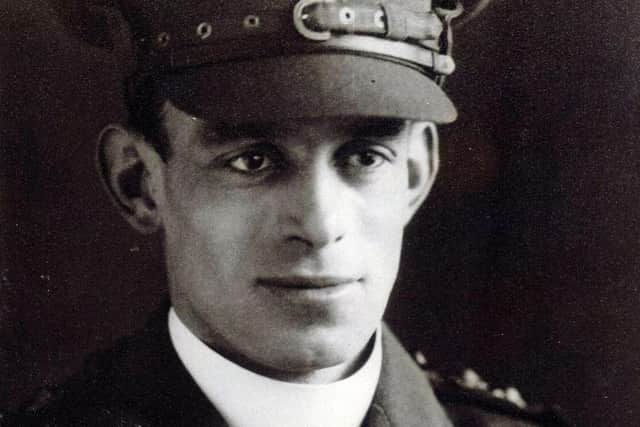
One of the most powerful examples I’ve ever come across of moral courage and pastoral care in wartime is that of Reverend Geoffrey Studdert Kennedy — better known as “Woodbine Willie.” As I told the MailOnline and others, Woodbine Willie spent nearly every penny of his wartime salary — the equivalent of over £43,000 today — on close to a million cigarettes, which he handed out to dying soldiers in the trenches of the Western Front. He would walk unarmed into No Man’s Land, under machine gun fire, to give men what they called “one final gasper” — a last moment of comfort, and a reminder they weren’t alone. It was not simply an act of kindness, but a belief that morale and spiritual care were just as vital to survival as food or ammunition.
A recent Polish book—The Power of Spirit: Chaplains of the Polish Army in the Service for Peace, Security and Freedom of Nations—put it well: “It is they who shape the spiritual strength of soldiers every day, and this, as we know, is the final resort of the effectiveness of the actions of every man and the organisation such as the army.”
I have heard the same sentiment echoed in the UK. At the 2022 General Assembly of the Church of Scotland, Lieutenant General Nick Borton, then commander of NATO’s Allied Rapid Reaction Corps, spoke movingly about sending a chaplain to a struggling unit in Afghanistan: “He rallied them wonderfully,” he said, “not only with spiritual and moral substance but with real leadership too.”
Chaplaincy has never stood still. Over the past two decades, military chaplains have adapted their roles in response to every new challenge—supporting LGBTQ+ personnel, advising on cultural awareness in foreign deployments, and refining protocols for repatriations and remembrance services. They’re professionally trained, pastorally equipped, and ready for both home-front duties and deployment. And in times of growing instability, their presence may soon be needed again on active service.
Their core purpose, however, has not changed. As Woodbine Willie once said: “Pray with them sometimes, but pray for them always.” That’s the essence of what chaplains do. And in our uncertain world, I believe we still need them—perhaps more than we realise.
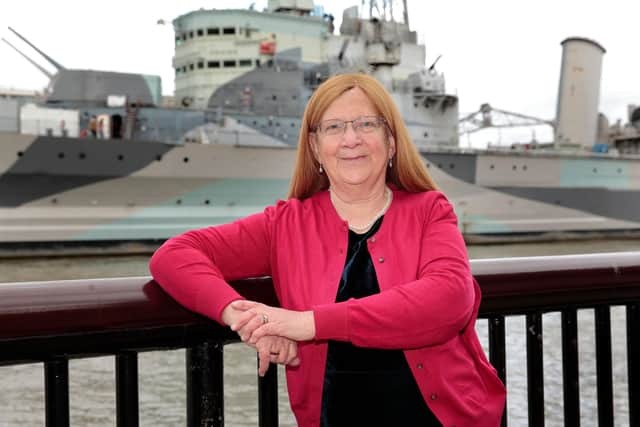
Dr. Linda Parker is widely considered to be one of Britain’s leading polar and military historians. She is the author of six acclaimed books, an in-demand public speaker, the co-founder of the British Modern Military History Society, and the editor of Front Line Naval Chaplains’ magazine, Pennant, which examines naval chaplaincy’s historical and contemporary role.
Story by Belters News/ The Double Agents