
Get your home holiday-ready with these six simple checks to help avoid a welcome home repair bill

As the UK gears up for its busiest travel season, it's all too easy to get swept up in the holiday buzz and forget about the home you're leaving behind. But before you head off to the airport, taking just 15 minutes to check a few key things around the house could save you from a nasty and expensive surprise on return.
A new study by home heating and cooling specialists, BOXTreveals holidaymakers say their getaway has been ruined by worrying about home maintenance – or coming back to find something’s gone horribly wrong, like a broken boiler, leak or no hot water and have needed to call out an engineer or tradesperson within just 72 hours of landing. Some manage a DIY fix in a panic, but many are left forking out.
As a nation, post-holiday repairs are costing us an estimated £1.47 billion.
Common culprits include no hot water, low boiler pressure, leaks, spoiled food from broken fridges and freezers, and even heating systems that kicked in unnecessarily mid-heatwave.
Lead engineer, Adam Knight, at BOXT says: “People prepare their suitcases for a holiday but rarely prep their homes.”
“Just a few simple checks before you go can save you hundreds in emergency callouts. I always say, take 15 minutes before your flight, not five hours when you’re home and tired.”
BOXT’s top tips to holiday-proof your home this summer
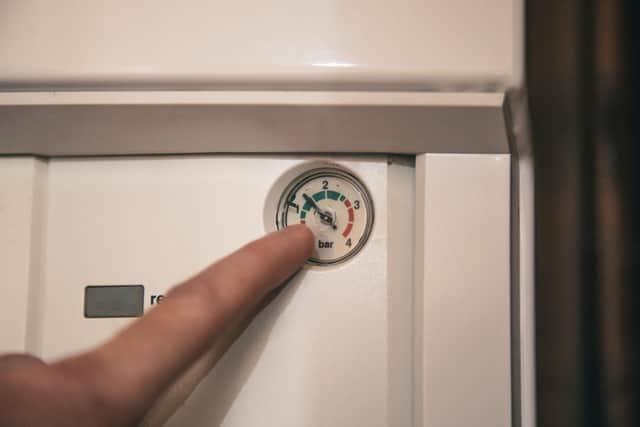
1. Check your boiler pressure before you go
Low pressure is one of the most common reasons people come back to cold showers. Your boiler’s pressure gauge should sit between 1 and 1.5 bar when cold. Any lower, you’ll need to repressurise.
“A boiler that loses pressure while you're away might not restart automatically. It’s one of the easiest ways to avoid a no-hot-water moment when you get home,” says Adam.
2. Switch your boiler to ‘holiday mode’ or adjust the timer
If your system has a holiday mode – sometimes called ‘away mode’ – it’s worth using when you’re going to be out of the house for a few days or more.
This setting turns off your central heating to conserve energy, but keeps essential safety functions, such as frost protection and minimal hot water circulation, active. It helps prevent issues like frozen pipes or stagnant water without wasting energy heating an empty home.
You can usually set it to automatically switch everything back on before you return, so you come back to a warm house. No holiday mode? Simply set the timer to run once a day for a short period to achieve the same effect.
“Running the boiler for a short period could help prevent components from sticking or seizing, particularly if you're away for extended periods of time,” Adam explains.
3. Turn off your stop tap if you're going for more than 3 days
A slow leak or loose tap washer can drip for days without anyone noticing. Turning off the water supply protects against bigger surprises, such as damp, floor damage, or burst pipes.
“If a tap’s been slowly leaking while you’re away, it’s not just annoying, it can leave water damage or waste litres,” says Adam.
How to find and use your stop tap
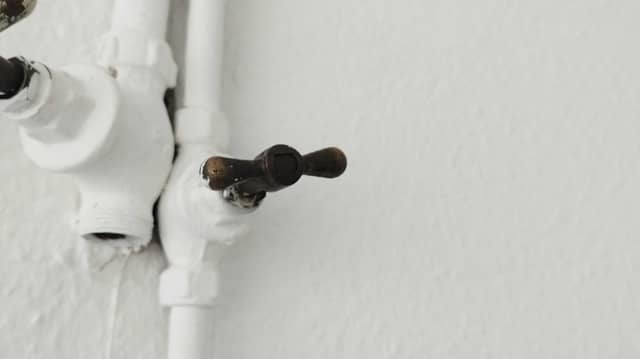
Your internal stop tap (also known as a stop valve or stopcock) is the main control point for the water supply into your home. It’s essential to know where it is and how to use it.
What does it look like?
A stop tap usually looks like a small lever or a tap without a spout, connecting two sections of pipe.
Where is it usually located?
In most homes, the stop tap is under the kitchen sink – but it can also be found in:
- A kitchen cupboard
- A downstairs toilet or bathroom
- A utility room or garage
- A cellar or basement
- Under the stairs
How to use it:
- Turn it clockwise to switch off the water supply.
- Turn it anti-clockwise to turn the water back on.
- Always turn slowly and gently – never force it. Overtightening can damage the valve.
4. Bleed radiators and test the heating before a summer trip
It might sound strange in summer, but bleeding radiators and testing your heating system now means you won’t be left panicking later on when you need them.
“Summer is the best time to spot problems with your heating before peak demand starts and you become more reliant on having the heating turned on.” says Adam.
5. Use smart tech to keep an eye on your home while away
Smart thermostats, leak detectors or plug timers can all give you peace of mind while you’re away and even flag problems before you walk into them.
This technology either lets you control what's happening in your home remotely or identify and locate problems before they cause significant damage, making it worth investing in to provide peace of mind.
For example, with a smart thermostat, if you forget to turn your heating off before heading on holiday, it can be switched off quickly via your phone.
“Even a £30 smart plug with a timer can make your home look lived-in, helping deter break-ins and keeping energy use minimal,” Adam adds.
6. Book a boiler service in summer, not winter
Winter is the busiest time for boiler breakdowns so booking a service in summer means potentially faster call-outs, less stress, and a system that’s ready before you head off on holiday.