
Making Waves: Open-water swimming surges across the world


Open-water swimming is making a splash across the globe, with participation rates rising as more people discover its transformative benefits.
Open-water swimming is making a splash across the globe, with participation rates rising as more people discover its transformative benefits. In the UK alone, outdoor swimming has seen a 20% increase since the pandemic, according to a 2023 report by Swim England. The practice isn’t just about exercise—it’s a form of therapy for the mind and soul. For many, it offers a lifeline in turbulent times, blending physical challenge with mental solace.
Six years ago, I found myself in the kind of emotional pit that makes you question if you’ve accidentally wandered into the plot of a tragic indie film. Depression had its claws in me, and life felt like a never-ending montage of bleak weather and sad music. Between raising children, losing loved ones, enduring a divorce, and watching friendships evaporate like bad magic tricks, I’d hit a wall—and not one of those fancy, Instagrammable walls with vines and inspirational quotes. It was more like a brick wall with graffiti that read, "Give up, loser."
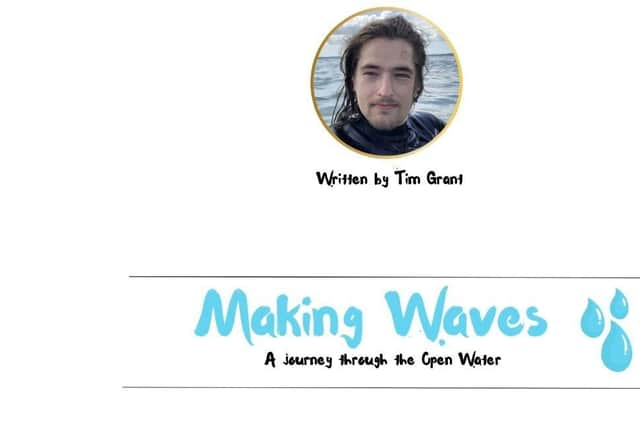
At my lowest, one person—a human lighthouse in my storm—pulled me out. They reminded me that while life’s currents can feel overwhelming, sometimes all you need to do is learn how to float. Staying active, both mentally and physically, became my secret weapon. And swimming? Well, swimming wasn’t just a secret weapon—it was my superhero cape.
I’ve loved water since I was a kid. There’s something magical about it. As an adult, I realised it wasn’t just the splashing around or the feeling of weightlessness. It was the way water seemed to hit pause on the chaos of the world. But it wasn’t until my midlife crisis decided to make a dramatic entrance that I took this love to a whole new level: open-water swimming.
If you’re imagining serene lakes and tropical seas, hold that thought. My first attempt at open-water swimming involved a murky lake, an existential crisis about leeches, and a wetsuit so tight it felt like I was being aggressively hugged by a boa constrictor. Yet, once I got past the panic (and yes, the leeches were imaginary), I found something incredible: peace.
Fast-forward to the trip that changed everything. Six years ago, overwhelmed by the need to reconnect with myself, I packed my bags and flew to the Philippines. I wasn’t just chasing postcard-perfect beaches or crystal-clear water that looked Photoshopped—I was chasing a lifeline, a chance to rediscover who I was beyond the pain. Starting in Cebu City, I embarked on an island-hopping escapade that was part of a healing journey, that felt like part of a National Geographic special.
Bohol’s beaches were a highlight. Picture this: soft, powdery sand, water so clear you could spot a fish’s mood swings, and coral reefs that felt like nature’s version of a Las Vegas show. Snorkelling there was like diving into a living painting. And let’s not forget the wildlife—because nothing says "finding inner peace" quite like accidentally locking eyes with a clownfish that’s definitely judging your swimming technique.
But let’s talk about Cebu City. Its beautiful, clear blue skies contrast with towering skyscrapers, while its vibrant, iridescent nightlife makes it just as lively as the day. The city buzzes with friendly locals eager to share their unique cuisines and warm hospitality
From the colourful jeepneys to the mouthwatering local cuisine, it was the perfect starting point for my watery pilgrimage. I found myself marvelling at the resilience and warmth of the people, even sharing a meal at the home of a couple we had just met. The food was unfamiliar—sausages and a mango appetiser, but their hospitality made it a truly memorable experience.
Of course, no life-changing adventure is complete without its share of hilariously awkward moments. There was the time I tried to gracefully exit a kayak and ended up looking like a flailing seal, my limbs making wild splashes as I fumbled for balance. Then, there was the time a jellyfish decided to introduce itself in a way that can only be described as “personal.” It wasn’t a sting—it was a full-on greeting. Let’s just say the encounter left me flustered and possibly traumatised as I swam away from the water as a swimmer possessed by an urgent need to escape.
The moment I took a sip of the sweet, alcoholic cocktail, my mind wandered for a second, not noticing the ice nestled within—ice made from local Philippine water. Something felt off. The taste wasn’t right—metallic, maybe even slightly bitter—but I brushed it off, thinking the tropical heat was playing tricks on my senses. Hours later, the warning signs hit hard. Stomach cramps, waves of nausea, and an urgent, inescapable need to find a bathroom. By then, it was far too late.
I was on a boat in the middle of the ocean, far from shore, when the worst of it hit. My body betrayed me, and I had no choice but to act fast. The boat was small, cramped, and there was nowhere to go. So, in a desperate move, I dove into the water. The cool ocean engulfed me, but the panic was relentless. I had to swim, but also... well, I had no choice but to relieve myself right then and there.
To make matters worse, the fish around me seemed to sense my discomfort. They circled, eager, hungry, nibbling at whatever they could. As I swam to shore, my embarrassment was almost as overwhelming as the ordeal itself. But in that moment, I learned a hard lesson about trusting local water—and about the unpredictability of the ocean.
(Pro tip: vinegar isn’t just for salads—it’s a lifesaver for jellyfish stings.) Then, there was the snorkelling mask debacle, where I discovered that not all masks are created equal. Let’s just say it’s hard to find inner peace when your mask is fogging up, your snorkel is flooding, and you’re convinced A sea urchin, like an intruder plans a hostile takeover to stab the bottom of your foot.
But these moments, as ridiculous as they were, became part of the healing process. They reminded me not to take life—or myself—too seriously. Humour, after all, is its own kind of buoyancy.
Here’s the serious bit: open-water swimming isn’t just a poetic metaphor for life’s ups and downs. It’s backed by science. Studies show by the Royal Life Saving Society UK, that cold-water swimming that cold-water swimming triggers a release of endorphins—those feel-good chemicals that make you think, “Hey, maybe life isn’t so bad after all.” It also reduces cortisol levels, the stress hormone that’s basically the overbearing boss of your brain.
And let’s talk mindfulness. Being in open water forces you to focus. You can’t scroll through social media or mentally replay that embarrassing thing you said in 2008 when you’re surrounded by nature’s grandeur (and maybe a few judgmental fish). The rhythmic act of swimming becomes a meditation in motion, a reminder to breathe—both literally and metaphorically.
Dr. Susanne Brenner, a marine psychologist, explains, “Open-water swimming has a unique way of recalibrating our mental state. The combination of physical exertion, cold water, and immersion in nature creates a perfect storm for reducing anxiety and boosting mood.”
Through this journey, I began to heal. Each stroke through the water felt like shedding another layer of pain, guilt, or self-doubt. The vastness of the ocean mirrored life’s possibilities—daunting yet beautiful. And while I didn’t emerge from the Philippines as some kind of water-borne guru, I did come back with a newfound appreciation for resilience.
Open-water swimming taught me that you can’t control the waves, but you can learn to ride them. It taught me to face the unknown and reminded me that this lesson extends far beyond the water—to parenting, relationships, and every other part of life that can feel overwhelming. It also showed me how to stay calm amid the waves and trust my ability to keep moving forward.
Open-water swimming isn’t just a personal journey; it’s a global phenomenon. Across the world, in 2021, Sport England found that nearly 2.68 million people in England swam in open water from the English Channel to the turquoise waters of New Zealand, people are diving in for the mental, physical, and emotional benefits. Iconic events like the Alcatraz Sharkfest Swim or the Bondi to Bronte Ocean Swim attract participants from all walks of life, each with their own reasons for taking the plunge.
Even celebrities have embraced this aquatic therapy. Actor Jason Momoa, known for his love of the ocean, once said, “There’s a freedom in the water you can’t find anywhere else. It’s just you, the waves, and the endless horizon.”
In today’s fast-paced, stress-filled world, finding ways to reconnect with nature and ourselves is more important than ever. Open-water swimming offers a path to do just that. It’s accessible, transformative, and—let’s be honest—a great excuse to buy a cool wetsuit. But beyond the personal benefits, there’s a broader conversation to be had. As climate change threatens our oceans and waterways, protecting these natural spaces becomes crucial. Open-water swimming isn’t just about individual healing; it’s about fostering a deeper connection to the environment and advocating for its preservation.
Research has consistently shown that spending time in nature has profound effects on mental health. A study by the University of Exeter found that individuals who live closer to the coast report higher levels of happiness and lower levels of stress. Open-water swimming combines this natural benefit with physical exercise, creating a powerful antidote to modern life’s pressures.
If you’ve ever considered taking the plunge—literally or metaphorically—let this be your sign. Whether it’s a local lake, a far-flung beach, or even the deep end of your community pool, dive in. Explore the freedom, peace, and hilarity that await beneath the surface. And who knows? You might just find yourself in the process.
But before you zip up that wetsuit, here’s a word of advice: start small. Open-water swimming isn’t about Olympic feats; it’s about finding your own rhythm. Join a local swimming group, take a lesson, or simply wade into the shallows and let the water embrace you.
Whether you start with a local lake or plan a dream trip to a tropical beach, the journey promises to be as rewarding as the destination. Begin small—join a local swim group or take a guided lesson—and let the water guide you at your own pace.
Looking back, it’s no surprise to me that outdoor swimming in the UK has grown by 20% since the pandemic, as Swim England reported in 2023. I see myself in that statistic—a person who turned to the water for solace and clarity when life became overwhelming. Like countless others, I discovered that open-water swimming isn’t just about physical fitness; it’s a lifeline, a bridge to reconnect with ourselves, nature, and what truly matters.
The water isn’t just there to carry you—it’s there to remind you that transformation often begins with the courage to dive in. So grab your wetsuit—or just a swimsuit if the weather’s kind—take a deep breath, and dive in.