
Midwives debunk the most commonly searched pregnancy myths
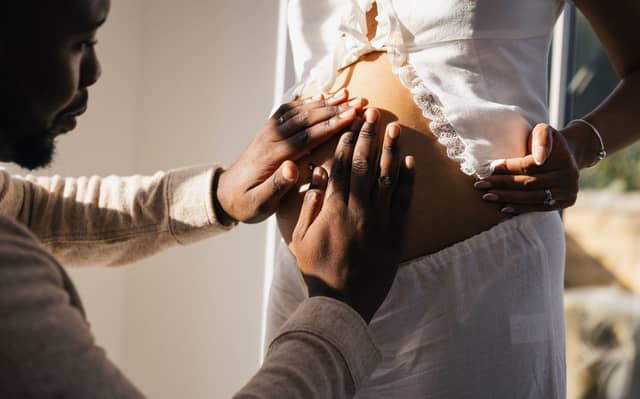

Whether it’s heartburn indicating how much hair your baby is likely to have, to eating a spicy curry to bring on labour, pregnancy is often surrounded by questions, myths and sometimes misinformation.
Here, Lesley Bland and Charlotte Hoskin, Registered Midwives from pregnancy and newborn skincare brand, My Expert Midwife, debunk some of the most common myths surrounding pregnancy to help expectant parents separate fact from fiction.
You Can’t Fly During Pregnancy
From an exotic babymoon to a relaxing getaway before the big arrival, Google searches around flying while pregnant have seen a year-on-year increase, coinciding with a huge 41% increase in searches around babymoons.
Charlotte says “flying while pregnant is generally safe for those who experience uncomplicated pregnancies, which means you don’t have to limit your babymoon to a UK road trip. However, there are some things to bear in mind; flying during the first trimester may be uncomfortable, especially if you experience nausea or tiredness, and post 28 weeks you may need to get a Fit to Fly letter from your GP or midwife to satisfy airlines.
If you’re planning a long-haul flight, it’s important to take regular walks around the plane, wear loose clothing and do gentle in seat exercises to reduce the risk of DVT. It’s also important to stay hydrated and drink plenty of water throughout the flight. If you’re unsure consult a professional.”
You Can’t Exercise While Pregnant
“Exercise during pregnancy can be hugely beneficial for improving sleep, reducing stress and alleviating minor conditions such as varicose veins and swollen feet” says Lesley.
Every month more than 20K people visit the NHS guide to find out more information about exercising during pregnancy, and Lesley advises “if you’re usually fairly active and have an existing exercise routine, there’s no reason to deviate unless your GP or midwife says otherwise.
Maintaining a good level of fitness is important for both you and baby, however, certain sports and activities such as horse riding, cycling or extreme sports that come with increased risk of injury should be avoided. If you take part in exercise classes, let your instructor know you’re expecting so they can make reasonable adjustments and adapt exercises.”
Sickness Only Happens in the Morning
“Common during early pregnancy, nausea and sickness usually eases after the first 12-16 weeks, but this can vary across individual” advises Lesley.
Every month there are tens of thousands of Google searches surrounding morning sickness, covering everything from alleviating symptoms to timings with Lesley saying “one of the most common myths surrounding sickness is that this feeling is reserved for the morning! Sickness can in fact happen day or night and is perfectly normal with approximately 80% of women experiencing it in some form during pregnancy.”
“Some women may experience a more extreme form of sickness called Hyperemesis Gravidarum which usually requires some hospital management and affects around 2-3% of all pregnancies. It’s advised to speak to a professional to help manage sickness in these cases.”
You Shouldn’t Have Sex During Pregnancy
Tens of thousands of couples are seeking advice around sex during pregnancy, with spikes in Google searches around safety and in particular sex during the third trimester.
Charlotte adds: “It’s usually completely safe to have sex during pregnancy, as baby is well protected inside the uterus and surrounded by the amniotic sac. During pregnancy, rapid changes to a woman’s body may lead to tender breasts, increased tiredness or even changes in self-confidence, so adjustments may need to be made to make sure sex remains comfortable.”
“In some cases your care team may advise against sex during pregnancy if there is a risk of pre-term labour or a low lying placenta, and it’s important for the wellbeing of both you and your baby that you follow this advice.”
Spicy Food Induces Labour
With plenty of Google searches including ‘does spicy food bring on labour’ and ‘what curry is best to induce labour’ and Charlotte wants expectant parents to know “this is very much an old wives’ tale which centers around spicy food stimulating activity in your intestine and ‘nudging’ the uterus into action. Unfortunately, a spicy meal won’t bring on labour, and could potentially just lead to heartburn and feeling uncomfortable!”
You Can Tell the Gender by the Size and Shape of the Bump
If you’re waiting to find out the gender until your little one arrives, you may have been tempted by a few old wives’ tales with myths from early pregnancy symptoms to cravings and even which side you sleep on giving away the gender. But one of the most common myths surrounds the size and shape of the bump.
Lesley says “how you carry during pregnancy unfortunately won’t give you any clues to the gender of your baby. Strength of muscles around the abdomen can influence whether you carry low, the size of the baby and the position of the baby in the womb can all influence size and shape, all of which have no bearing on gender.
If you’re waiting for your baby to arrive to find out their gender, unfortunately no amount of old wives’ tales will give it away, but they certainly can be fun!”
You Shouldn’t Take Baths While Pregnant
With searches around baths during pregnancy seeing a huge 55% increase year on year, expectant parents are seeking advice on safety and comfort. “Taking a bath can do wonders during pregnancy, helping to relieve muscles, ease stress and provide some much needed relaxation.”
Charlotte advises “while they’re not ruled out completely, it’s important to manage and monitor the temperature of the bath, ensuring it’s not too high and increases your internal body temperature. The bath temperature should ideally be similar to your body temperature at 36.5-38 degrees C.”
Labour Always Starts with Your Waters Breaking
Every month there are thousands of Google searches surrounding waters breaking, with parents seeking advice on how it feels to how long it will take until baby arrives, but a common misconception is that labour always starts this way.
“I think we can thank the films for this one! Waters breaking can be the first sign of labour, however it may not be the case for many women” Lesley says. “Other signs such as pressure in the pelvis and contractions can occur in plenty of time before waters break.”
There are numerous myths surrounding pregnancy, and if you’re unsure what’s safe for you and baby, consult your midwife or GP.
Visit My Expert Midwife for more valuable pregnancy information and to check out pre- and post-natal essentials.