
The world is burning and has been for sometime - this is how it affects all our lives
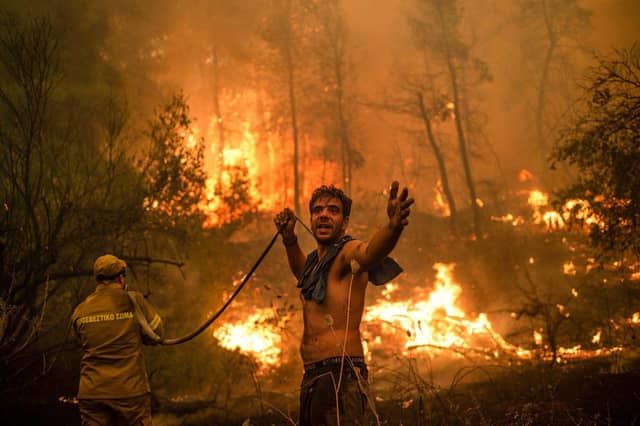

Heatwaves have been a staple on the news this summer. The last couple of years have seen an increase in average temperatures across the UK and Europe bringing the reality of climate change into our every day lives.
The recent heatwaves have seen tripling of heat-related deaths across European cities according to a rapid analysis by scientists. Scientists have projected the heatwaves to continue and grow, warning major destruction.
The Met Office has also come out saying that extremes of heat and rainfall are becoming the norm, reacting to which Energy Secretary Ed Miliband said Britain’s way of life is “under threat” from climate change.
As scary as it may sound, it is unfortunately slowly creeping into all of our lives. And while this is something that is relatively new for the western world, our planet has been crying for help in the developing nations that have been facing the major brunt of climate change.
Floods, tsunamis, droughts, and temperatures soaring over 50 degrees – this is the life that many people have been leading for quite a while now. With every year hotter than the previous, it is becoming difficult to mitigate the effects of climate change.
The world is not ready to face the catastrophic consequences of global warming yet there is not enough being done to contain it.
Dr Garyfallos Konstantinoudis, research fellow at the Grantham Institute, Imperial College London, said: “Heat waves are silent killers.
“Unlike floods or storms, their impact can be invisible: people who die during extreme heat usually have pre-existing health conditions, and heat is rarely recorded as a contributing cause of death.”
However, even with climate change, there is a disparity in the way it affects people. Most of the UK and European infrastructure is not build for heatwaves. Some buildings do not even have fans, let alone air conditioning.
But, with the growing heat, it seems like air conditioning might become a necessity which not everyone can afford – while those who can get it will be able to ease the burden of the heat, what happens to the many who cannot finance such changes in their houses? Where should they turn to for help?
Climate change was responsible for an estimated 171 excess deaths in London, 317 in Madrid and 235 in Paris during the 10 days of heat from June 23 to July 2.
Dr Ben Clarke, researcher at the Centre for Environmental Policy at Imperial College London, said: “Heatwaves don’t leave a trail of destruction like wildfires or storms.
“Their impacts are mostly invisible, but quietly devastating – a change of just 2 or 3C can mean the difference between life and death for thousands of people.”
While researchers have been calling for better planning and administrative measures, their implementation remains a question leaving oir future hanging by a thread.
Dr Pierre Masselot, research fellow at LSHTM, said: “At the rate the world is warming, heatwaves are not going away and we have to prepare for their public health impacts.
“Cities can adapt by planting trees, reducing the space given to cars and caring for the most vulnerable.
“But ultimately, the best way to avoid dire consequences is to aggressively reduce greenhouse gas emissions.”