
Water sector review: 'Copper is the solution for a water sector revolution' says Copper Sustainability Partnership

As a review into England and Wales’ water sector highlights public health and infrastructure reforms, the Copper Sustainability Partnership (CuSP) is asking the government to consider materials that will future-proof the infrastructure system to deliver safer, more efficient water delivery.
Authored by Sir Jon Cunliffe of the Independent Water Commission, the report highlights 88 recommendations to improve the water sector in England and Wales, including recommended changes to environmental regulation, public health and infrastructure reforms, and greater consumer protection. With the government in agreement that the current system is broken, they are proposing to introduce a new water bill next year.
CuSP calls attention to copper’s multitude of benefits, that can help to reach the objectives this report has set out. Celebrated for its durability and reliability, copper, unlike plastic pipes, is non-toxic and corrosion-resistant, preventing harmful substances from leaching into the water supply.
Plastic pipes can deteriorate when exposed to incompatible materials, leading to escape of water (EOW) incidents that can cost UK insurers nearly £1 billion a year to patch and fix.
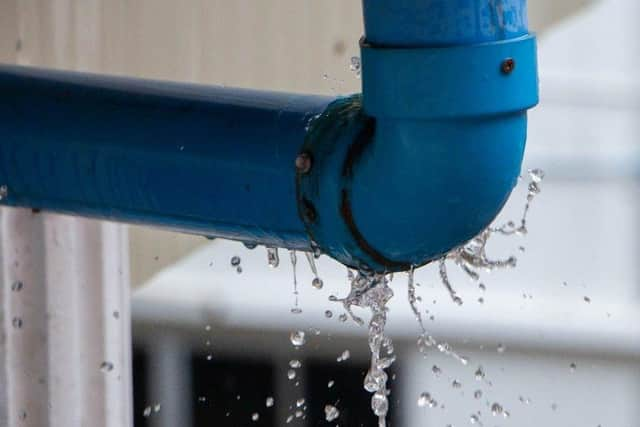
Replacing broken and outdated pipes will not only improve performance but will also improve public health. Copper has antimicrobial properties which are crucial to preventing water contamination and will ensure that the pipes themselves will be helping to maintain the highest standards of water quality. Currently the plastic and lead pipes used in the UK’s water system bring risks of lead and microplastic contamination, as well as the potential to harbour bacterial growth which can lead to the possibilities of waterborne diseases.
Copper’s role in the UK water systems is becoming increasingly vital to ensure safe, sustainable, and efficient water infrastructure. Its durability, resistance to corrosion, antimicrobial properties, and environmental benefits make it the best placed material to tackle the challenges highlighted in this review of England and Wales’ water sector.
For more details on copper’s role in sustainable infrastructure, visit CuSP UK.