
Inheritance tax: Farmers celebrate as Government raises threshold for farmers from £1 million to £2.5 million

The Government has announced it will raise the inheritance tax relief threshold for farmers from £1 million to £2.5 million.
Christmas has come early for rural communities as, in a climbdown following months of protests, the Government has announced it will raise the inheritance tax relief threshold for farmers from £1 million to £2.5 million. Ministers have “listened to concerns” of the farming community and businesses, the Department for Environment, Food and Rural Affairs (Defra) said on Tuesday (December 23).
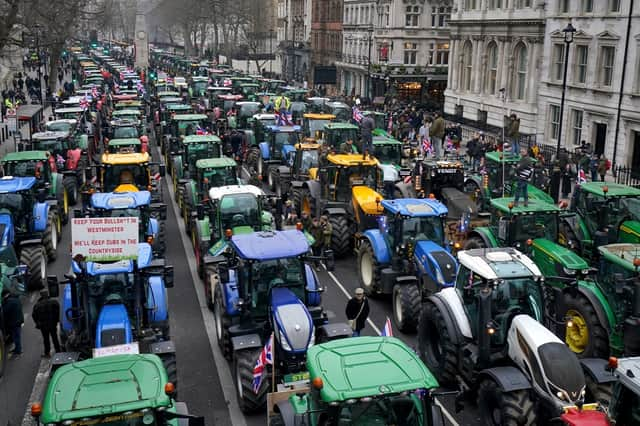
Unveiled at Labour’s first Budget last year, the original Treasury plans to raise money as farmers pass their businesses from generation to generation triggered protests with tractors outside Parliament and criticism from some Labour MPs in rural seats. Baroness Minette Batters, the former head of the National Farmers’ Union (NFU) who led an independent review for the Government, also warned that the proposals had led to farmers contemplating suicide to avoid the tax changes.
A farmer whose father killed himself the day before last October’s budget amid worries over the inheritance tax changes said the Government’s climbdown is “the best Christmas present for a lot of farmers”, but he accused ministers of “a complete lack of understanding and compassion” towards rural communities.
Jonathan Charlesworth, who found his father John Philip Charlesworth dead in a barn on their farm in Silkstone, Barnsley, said: “It’s a welcome U-turn that won’t bring back the lives lost over the last year or so due to the anxiety caused, but will hopefully prevent a flood of suicides running up to the commencement in April.”

He also said: “The flip side is, it should have been researched and put out to review before any announcement was made.”
The higher threshold, which will take effect in April, will allow spouses or civil partners to pass on up to £5 million in qualifying agricultural or business assets between them before paying inheritance tax – on top of existing allowances, Defra said.
Above that allowance, farmers will get 50% relief on qualifying assets and will pay a reduced effective rate of up to 20%, rather than the standard 40%. Farmers currently do not pay inheritance tax on agricultural and business assets which they pass on.
The number of estates facing higher inheritance tax will be reduced from around 2,000 under original plans to up 1,100, hitting only the largest farms, according to the Government.
Under Labour’s initial proposal, the full 100% relief was to be restricted to the first £1 million of property. The plans caused consternation among some Labour backbenchers, with Penrith and Solway MP Markus Campbell-Savours losing the party whip earlier this month for voting against them.
Sir Keir Starmer last week told the Liaison Committee he understood farmers’ concerns, but defended the “sensible reform”.
Announcing the tax relief threshold hike, Environment Secretary Emma Reynolds said: ”Farmers are at the heart of our food security and environmental stewardship, and I am determined to work with them to secure a profitable future for British farming. We have listened closely to farmers across the country and we are making changes today to protect more ordinary family farms.
“We are increasing the individual threshold from £1 million to £2.5 million which means couples with estates of up to £5 million will now pay no inheritance tax on their estates. It’s only right that larger estates contribute more, while we back the farms and trading businesses that are the backbone of Britain’s rural communities.”
NFU president Tom Bradshaw said the announcement would be a “huge relief to many” and would “greatly” reduce the tax burden for many family farms.
He said: “Changes to Agriculture Property Relief (APR) and Business Property Relief (BPR) announced in last year’s budget came as a huge shock to the farming community. Until that moment, the best tax planning advice was to hold on to your farm until death and pass it on to the next generation who could continue to run a viable farming, food producing business.
“The original changes to APR and BPR, contained within the Finance Bill, resulted in a pernicious and cruel tax, trapping the most elderly and vulnerable people and their families in the eye of the storm. The NFU and its members have stood strong for what we believed in. I am thankful common sense has prevailed and government has listened.”