
Sue Gray: Sir Keir Starmer's chief of staff faces criticism for £170k salary, earning more than prime minister

It has emerged Labour’s Chief of staff is earning more than the Prime Minister, causing controversy within the government.
Sue Gray, Labour leader Sir Keir Starmer’s chief of staff, is now paid £170,000 per year, which is £3,000 more than the prime minister’s salary, according to The BBC.
This has caused controversy within government circles, with many criticising the decision. One insider told the BBC: “It was suggested that she might want to go for a few thousand pounds less than the prime minister to avoid this very story. She declined.”
Gray’s pay rise comes after the prime minister signed off on a rebanding of special adviser salaries, which allowed for higher pay bands. Gray’s predecessor, Liam Booth-Smith, who worked under Rishi Sunak, earned between £140,000 and £145,000 annually. Gray’s new salary is above that but is not at the very top of the new highest band for special advisers.
This revelation has reignited tensions within the government, as Gray played a pivotal role in a report that exposed parties held in Downing Street during the pandemic, which contributed to Boris Johnson’s downfall. After that, she became a Labour adviser, a move that drew sharp criticism from the Conservative Party.
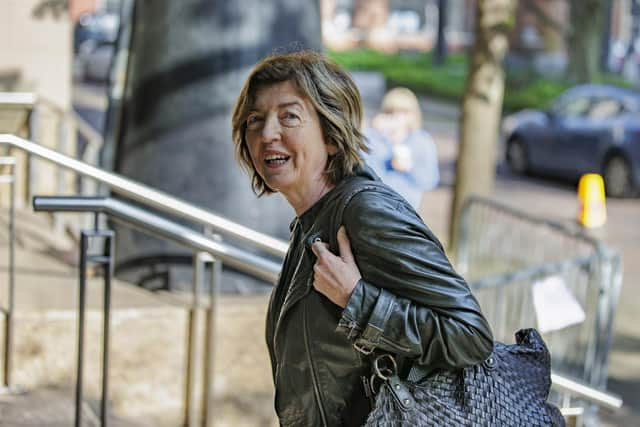

A source told the BBC that Gray’s pay rise highlights dysfunction within No. 10: “No political judgement, an increasingly grand Sue who considers herself to be the Deputy Prime Minister, hence the salary and no other voice for the Prime Minister.”
While some advisers are angry about their own salaries being lower than expected, others defend Gray, saying the criticism is part of a broader, unfair campaign against her. One government source said: “Any questions should be directed at the process and not an individual.”
Many special advisers, including junior staff, have expressed disappointment at their lower-than-expected salaries. One adviser said: “I’m working harder than ever in a more important job and they want to pay me less than the Labour Party was paying me when it was broke.”
The tensions over pay have been heightened by frustrations about delays in finalising contracts and pay details, with some advisers blaming Gray. Despite these issues, a government source told the BBC that decisions on special adviser pay were made by officials, not political appointees like Gray.
A Cabinet Office spokesman confirmed to the BBC: “It is false to suggest that political appointees have made any decisions on their own pay bands or determining their own pay. Any decision on special adviser pay is made by officials, not political appointees.”