
What is Stamp Duty? As Kemi Badenoch pledges to abolish the tax, how much SDLT brings in to UK government coffers

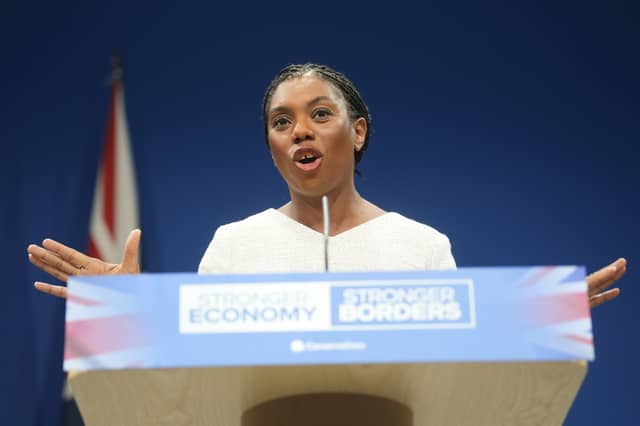

In her Tory Conference speech, Conservative leader Kemi Badenoch has vowed to abolish Stamp Duty if she comes to power - here’s what that might mean
What is Stamp Duty and when was it introduced?
Stamp Duty is payable on the majority of property purchases in the UK. It dates back to 1694, when it was brought in for a range of items including paper, vellum and parchment during the reign of William III and Mary II, as a means of funding a war against France. It was so popular - at least for the recipients - that it was extended to more items, but now is only levied on property. It is now Stamp Duty Land Tax.
Who has to pay Stamp Duty?
Anyone who buys a freehold property, a leasehold, takes a mortgage or buys a property through shared ownership is liable for Stamp Duty, which is usually paid on the day of the property transaction but legally must be paid within 14 days of completion. However, only property that is sold for more than £125,000 is liable.
The duty is in addition to the price of the property.

What are the Stamp Duty rates?
At the moment, property purchases up to £125,000 are exempt from Stamp Duty. Property that costs between £125,001 and £250,000 is liable for a rate of two per cent, and property between £250,001 and £925,000 sees a rate of five per cent. The next bracket is between £925,001 and £1.5m which has a 10 per cent rate and homes worth more than £1.5m are taxed at 12 per cent for Stamp Duty.
Kemi Badenoch may have waxed lyrical about “her first flat” and the smell of paint, but first-time buyers have a threshold of £300,000 before Stamp Duty kicks in. First-time buyers purchasing property that is between £300,001 and £500,000 are only liable to pay the tax on the money that exceeds £300,000 - so a home bought for £400,000 would be taxed at five per cent on £100,000 - ie £5,000 - not five per cent of the whole price, £20,000.
Stamp Duty on second homes and buy-to-let properties
The brackets are the same for second homes but the rates of Stamp Duty are higher. Property up to £125,000 is taxed at five per cent, the £125,001 to £250,000 bracket sees a seven per cent charge, up to £925,000 it’s 10 per cent, up to £1.5m it’s 15 per cent and property worth more than £1.5m sees a 17 per cent Stamp Duty rate on transactions.
How much is raised by Stamp Duty each year?
Stamp Duty raised £11.6bn for the government in the financial year 2023-24 financial year, which was down from £15.4bn the previous year. About two-thirds comes from residential property.