
The fast car-loving postman who fought back against motor finance mis-selling
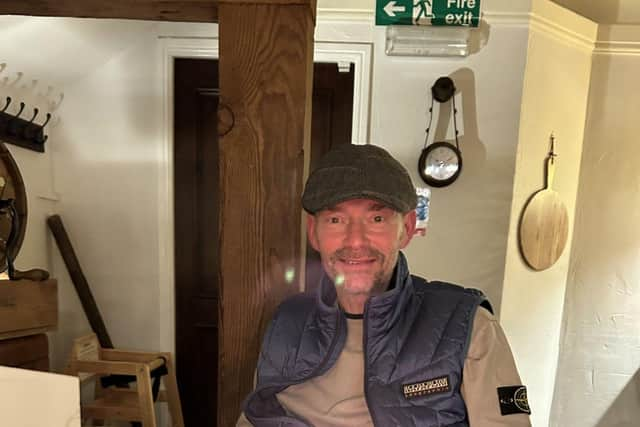
A postman with a "penchant for fast cars" has been stunned by the impact of his successful legal fight against secretive motor finance commission.
Andrew Wrench, from Trentham near Stoke-on-Trent, is now the scourge of some major money lenders, whose hidden tactics claimed cash off unwitting motorists.

But the 60-year-old war veteran is proud he spent years seeking justice after being "shown a lack of respect".
He's even been branded the "Erin Brockovich of the Potteries" for his efforts.
Mr Wrench said: "There was no due diligence - it was more a question of getting me in the door and getting me out as fast as possible."
His case is one of three ruled on by the Court of Appeal that have sent shockwaves through the industry and could see banks footing a multi-billion pound bill.
The mis-selling scandal, where commissions between car dealerships and finance companies were not transparent, could see individuals compensated to the tune of £1,100.
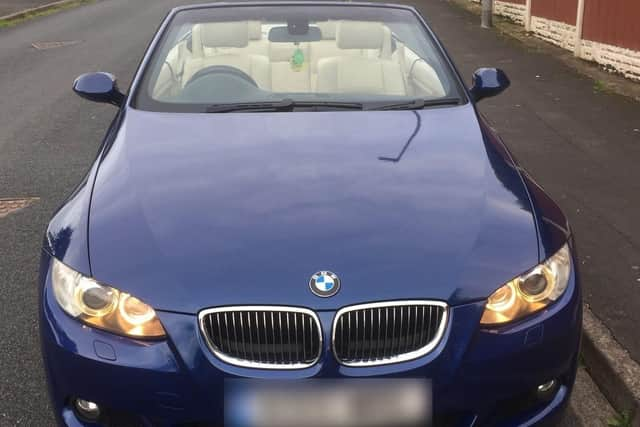
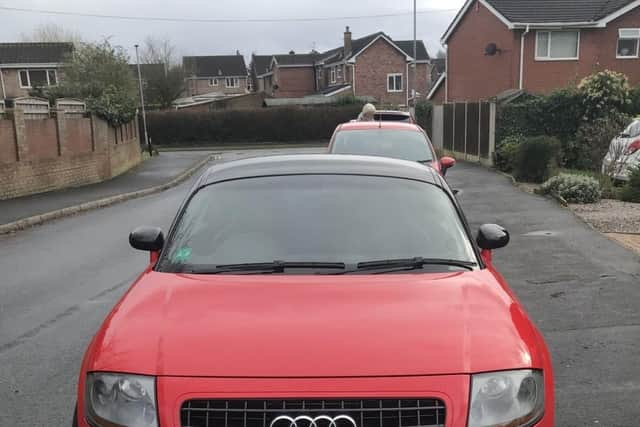
Mr Wrench's fight focused on the purchase of two cars - an Audi convertible he bought for his wife at a local garage in 2015, and a BMW he purchased from a dealership in Derby two years later.
The postie admits they were impulse purchases and he wanted to pay in cash to try to negotiate the price down.
But he says staff were not interested and he was instead guided towards finance contracts.
The Audi was for his wife Louise, 46, and he says it made her "eyes light up" the moment she saw it.
He put down a £3,000 deposit and paid the rest through a finance package at £175 per month.
"I remember the contract required at least three signatures," he said. "I didn't know until later that the APR was 19.3 per cent and the agreement included a commission priced into it, paid to the dealership by FirstRand bank."
In 2017 he bought a 2.5-litre BMW. The vehicle cost £9,750, with a £1,000 cash deposit and a four-year loan for the remainder at £220 per month - again the lender was FirstRand bank.
It wasn't until last year, when he was going through some paperwork, that the penny dropped as to what had happened.
Mr Wrench said: "I looked through the previous contracts and in the small print there were no figures for commission."
That led him to Stoke-on-Trent county court last year, where he says he was "interrogated" by the other side’s lawyers.
"I felt I had been lied to and there were no facts and figures," he said.
The bank appealed and won - but Mr Wrench wasn't done yet.
Instead he was put in touch with Consumer Rights Solicitors in Manchester, where managing director Kavon Hussain took up the cause and headed for the Court of Appeal.
The legal expert said: "Unknown to customers like Mr Wrench, lenders systematically incentivised car dealers acting as credit brokers to place finance with them by paying commissions that were not disclosed to the consumer.
“These hidden commissions paid to dealers meant that the consumer could pay anything from a few hundred pounds to many thousands extra to a lender through interest payments, for the lender to then pay this to the dealer.
“It was, and still is, a broken system which rewarded the lenders paying the largest commission to the ultimate detriment of the normal man in the street.
“The Court of Appeal judgement is going to affect every lender in the market. We already have a substantial number of clients with claims waiting to go.”
Mr Wrench is happy he pursued his claim. He said: "There was a lack of respect in them not disclosing the full facts and figures, and what frustrates me most is they should be accountable as individuals."
The Court of Appeal ruling outlines that even if details of any commission is present in the small print, lenders are still liable because the situation wasn’t made clear to the consumer.
The Financial Conduct Authority (FCA) has been looking into the matter since 2021 and is expected to announce a decision later next year.
The lenders could appeal their case to the Supreme Court. If Mr Wrench wins again it will benefit consumers in Northern Ireland and Scotland with similar claims.