
'Code red' super El Niño warning: Scientist warn of “biggest El Niño event since the 1870s”

Scientists are warning the world could face the “biggest El Niño event since the 1870s” this year.
An El Niño is intensifying below the Pacific Ocean - bringing with it the potential for major atmospheric change and weather disruption and a 'code red' warning from experts. Fresh data from atmospheric organisations has confirmed the 2026 El Niño - potentially a 'super' event - is on a high-impact trajectory, with several forecasts warning it could become the strongest El Niño in modern history.
The potential worst-case scenario for the global atmosphere is being driven by massive oceanic changes that have grown more energetic in recent weeks. A subsurface heat pulse - a Kelvin wave - is expected to rise to the surface, acting as a “release valve” that will kickstart the reorganization of global weather patterns, starting in the tropics.
As the release has an effect, it could bring major weather problems in the second half of 2026 and into 2027, experts warn. The majority of forecasts, made using modelling of environmental behaviour, now suggest at least a 50% chance this El Niño could become a "super El Niño" - raising ocean surface temperatures by at least 2C more than the average, and bringing major weather events.
"Confidence is clearly shifting higher on potentially the biggest El Niño event since the 1870s," said Paul Roundy, a University of Albany professor and El Niño expert.

'Super El Niño' weather warning
While an El Niño is only one influence on weather patterns, it is a major one and can have an outsized effect on conditions around the world. In general, experts say, a stronger El Niño can ease hurricanes in some areas, while making them more active in others.
In winter, the subtropical branch of the jet stream is often turbocharged by a stronger El Niño, meaning wetter winter and more snow in affected areas if the air is cold enough, while other areas have a warmer winter.
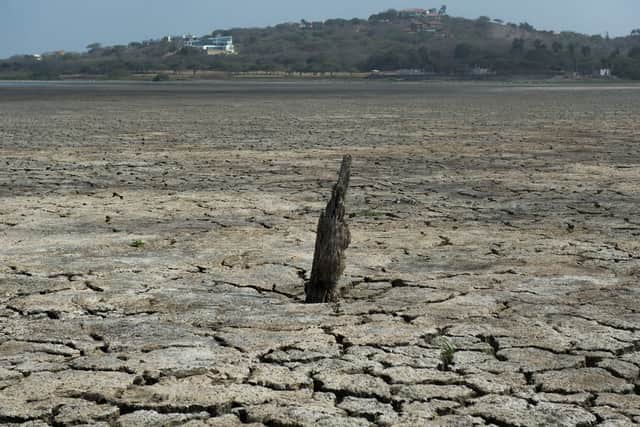
But experts say broadly, a super El Niño event would cause more extreme weather shifts, potentially bringing massive flooding, severe droughts, and significantly altered storm tracks around the world.