
Persian New Year 2025 Nowruz: All about the March 20 celebrations تبریک سال نو

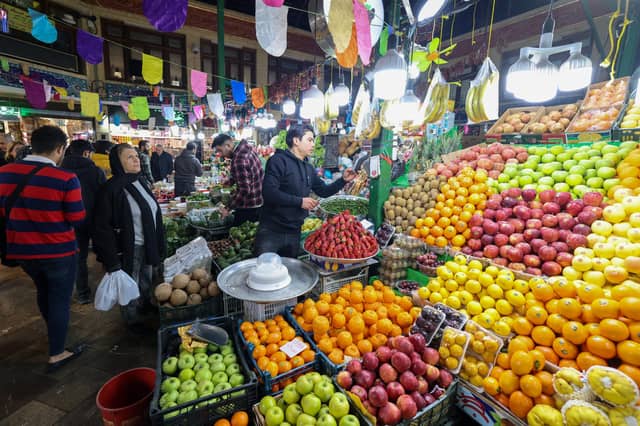

As well as being the spring equinox, when the sun passes the equator, today marks the start of Nowruz, or the Persian New Year.
Nowruz is celebrated at the exact moment of the sun crossing the celestial equator, which today was at 9.01am GMT.
Originally part of Persian and Iranian customs, the festivity has spread to other cultures and is now marked around the world.
The origins of Nowruz - which means New Day - are in Zoroastrianism; it remains a holy day for Zoroastrians, the Bahai and Ismaili Shia Muslims, is a secular holiday for most celebrants.
Globally, some 300 million people will wish each other "Happy New Year" ("Nowruz mobarak" in Persian) including in Iran, Afghanistan, Kazakhstan and among the Kurds in Turkey, Iraq, Syria and elsewhere.
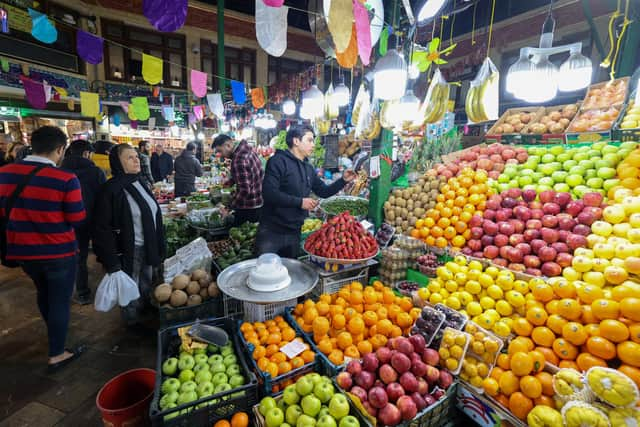
How is Nowruz celebrated?
Nowruz traditions focus on renewal, purification and connection. While the way people celebrate may differ from country to country, some key customs are shared across many cultures. Before the holiday, families deep-clean their homes to start the new year afresh.
Customs for the festival include various fire and water rituals, celebratory dances, gift exchanges, and poetry recitations, among others; these observances differ between the cultures of the diverse communities that celebrate it.
On the evening of the last Wednesday before the New Year, people light bonfires and jump over them, which symbolises stepping into the future.
The first few days of Nowruz see people visit family and friends, giving gifts, and sharing meals. New clothes are worn. The celebrations conclude on the 13th day of Nowruz when families go out for picnics, letting go of bad luck.
The United Nations officially recognized the "International Day of Nowruz" in February 2010.