
The Gadget Agenda: We need to talk about plug-in solar systems


This article contains affiliate links. We may earn a small commission on items purchased through this article, but that does not affect our editorial judgement.
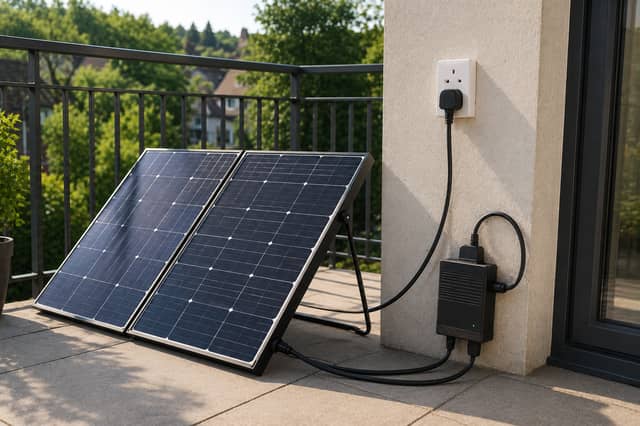
Britain is just days away from a major change that will let households plug compliant solar panels straight into a normal socket. After spending the summer generating my own electricity, I should be delighted. Instead, there’s one glaring omission that risks holding the whole idea back
I've spent our long, hot summer getting to know the joys of a DIY solar system. I've saved a bucket-load of money harvesting free energy from the record amounts of sunshine we've had.
You don't need me to tell you that energy bills are ridiculous right now, so this small investment could take the sting out of your electricity costs - and a basic system could be had for less than £400.
Naturally, as a consumer writer, I've been following the news recently, as we've heard of developments happening in the UK to make it even easier for households to sign up to a solar system in their own home.
As of August 27 we will be able to buy a certified system from a small selection of high-street and online retailers, mount the panels, and literally plug it into the wall.
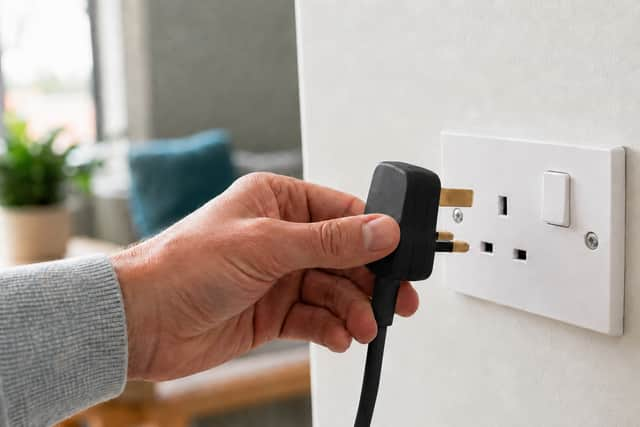
As they've been doing for years in mainland Europe, the sunlight will be turned into electricity, and that electricity will be piped into our home's electrical circuits, meaning there will be nothing taken from the grid. Savings can be at least £1 per day, depending on your rate and the amount of sun you are blessed with.
It sounds great, doesn't it? There is, however, a problem. Even though the legislation changes on August 27, and retailers are chomping at the bit to sell the systems to us but, as I write this, there aren't any certified systems.
It gets more baffling, too. I've spent the year attending launches of "balcony solar" systems from some of the biggest manufacturers in the business. These companies are becoming household names over in Europe because millions of people are buying up solar systems and plugging them in. Only we're not allowed.
Although we still have to professionally install our solar systems, there are plenty of options on the market already
A solar system in a domestic property needs a few key elements. Solar panels, a microinverter, and the cabling and fuse. That’s the basics, but you might choose to add battery storage.
A cheap kit can be bought online, with prices starting at £299 - here’s one we found on eBay. You will need to budget for an electrician to wire it in though, it’s not currently legal to plug it in to a three-pin socket
EcoFlow’s Stream series, one of the most popular premium DIY solar systems, starts with a £150 microinverter, which you can bundle with panels, or there’s a more comprehensive system available which comprises a battery too. Budget around £1,000 for panels and a Stream unit.
Prices of the Stream systems can quickly creep towards £2,000 for a bundle, and you might need to add some cabling or smart sensors, as well as pay for an electrician to visit. For a powerful 2kWh setup including four panels and installation, £2,000 is a realistic figure to aim for - but basic systems can cost half that.
Bluetti, for example, launched a lovely setup in Paris, and Anker Solix and EcoFlow have just invited journalists to their respective glitzy launches in London to show off their products.
It's all well and good, being shown how good these solar systems are, but we can't just plug them in like the Europeans do, we have to have them professionally wired in. It's a barrier to entry that simply shouldn't exist.
The really sill bit is that, while the government will soon allow us to plug a solar system into the wall ourselves, there is no provision being made for battery setups. And they're the really big news here.
Without a battery, a small box called a microinverter will send up to 800 watts into your house, more than enough to power a few fridges, and probably a work-from-home setup or two.
But if you don't use all of that 800 watts, it's going to waste. With a battery the wasted wattage can be stored and used later, when the sun goes in. You're not reliant on daylight and you're living off you're own little power station.
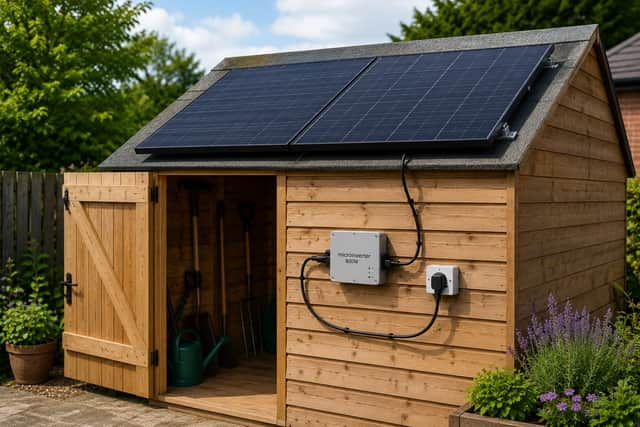
Sure, we can pay an electrician to wire it in, but we shouldn't have to. We should have had legislation to plug it in to an AC socket by now. It will happen, we just have no idea when. Some people think it'll be another year. I do hope not.
We're so close, but so far. If enough households start generating their own electricity it'll take a lot of pressure off the National Grid and bring us one step closer to our utopian vision of national self sufficiency.
But a botched first step is all we've got so far. At this rate, the first products will be approved just as the autumn season properly kicks in and the days are so short, the rewards won't be arriving for months after we've paid for our systems.
And it's a shame, because there is nothing more addictive than watching your smart meter drop to zero when the sun comes out - knowing that everything in your home is being powered for free.
I've loved it this summer, and I think everyone should do it. As soon as they're allowed to, that is.

Selling every 20 seconds worldwide, SmilePro’s Advanced Whitening Kit is one of the fastest-growing alternatives to expensive dentist whitening. The dentist-developed system claims to deliver visibly whiter teeth in just 10 minutes and is currently available with 50% off.