
Experts reveals phone charging habit that's putting data at risk
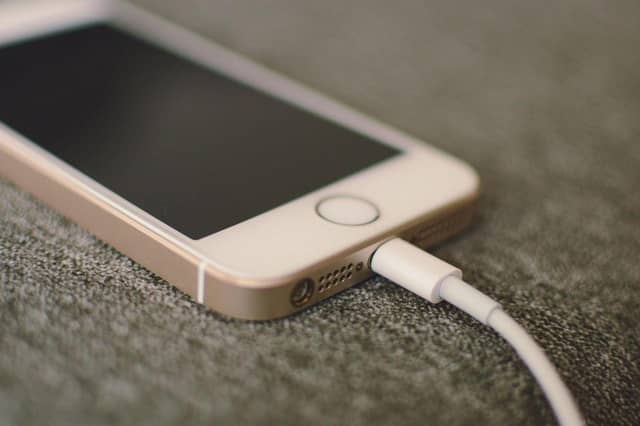

Smartphone users have been warned that a common charging habit could leave their personal data exposed to hackers.
While public charging points in airports, railway stations and cafes may seem like a lifesaver when your battery is low, cyber experts say they can also open the door to a technique known as “juice jacking” - where criminals hijack the connection to steal information or install malware.
Arif Reza, CEO of international eSIM company WorldSIM, says many people have no idea their device could be at risk from something as simple as plugging into a free charging hub.
“When you plug into a public USB port, you’re not just giving your phone power - you’re also potentially opening up a data pathway,” Mr Reza explained. “That’s exactly what hackers exploit. They can use a compromised port to access contacts, emails, photos or even passwords without you knowing.”
Cybersecurity agencies in the US - including the FBI - have repeatedly warned about juice jacking, noting that malware can be installed silently in seconds, leaving your device vulnerable long after you’ve unplugged.
In the UK, the National Cyber Security Centre (NCSC) has also urged people to be cautious when connecting their devices in public places, advising travellers to avoid unknown USB ports and stick to their own chargers wherever possible.
Mr Reza says the best defence is to avoid public USB charging points altogether.
“Carry your own charger and plug into a wall socket wherever possible. That way you’re only drawing power, not sharing data,” he advised.
He also recommends keeping a portable power bank for emergencies and, if you must use a public port, investing in a USB data blocker device - sometimes called a ‘USB condom’ - which allows power to flow but blocks any data transfer.
“As we become more dependent on our phones, the temptation to top up anywhere is huge,” Mr Reza added.
“But think of it like leaving your front door unlocked. You might get away with it once or twice, but eventually someone will take advantage. A little preparation - like carrying a power bank - is a far safer bet.”
WorldSIM also notes that travellers should be extra cautious when abroad, as hackers often target busy international hubs where people are desperate for a charge and less likely to think twice.
“Public charging may seem convenient,” Mr Reza said. “But nothing is worth risking your personal data. Taking charge of your own power supply is the only way to stay truly safe."