
Spider numbers set to rise this autumn how to keep them out your home
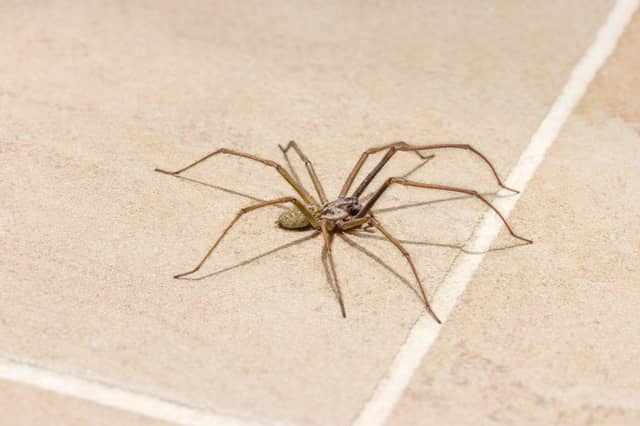

Households across the UK are already starting to see more spiders indoors as peak spider season begins, following one of the warmest summers in recent years.
According to Sophie Thorogood, technical training manager at Pest-Stop, the heat has boosted numbers of insects such as butterflies, wasps and flies, creating a larger food supply for spiders. This is likely to drive more eight-legged creatures into homes as temperatures drop.
Sophie explains, “This year, we’ve had a very warm summer, which has led to an increase in insect numbers.
"This is likely to result in more spiders because of the increased food supply, so we can expect higher numbers moving indoors this autumn in search of warmth.
"While no official data has been released yet, the signs suggest households may notice more spiders than in previous years.”
Earlier this year, a new species of jumping spider - Anasaitis milesae - was discovered on a university campus in Cornwall, the first time it has ever been recorded in the UK or Europe. It is thought to have originated from the Caribbean.
While Sophie explains that most non-native species struggle to survive UK winters, she warns that changing weather patterns could allow more overseas spiders to establish themselves here in the future.
She added:
“On a daily basis, spiders will enter the UK through shipments, but our colder winters typically prevent non-native species from establishing themselves.
“However, with changing weather patterns, we may see more non-native insects and spiders becoming established over the next decade.
"That said, the risk remains low, as most spiders are solitary and multiple introductions of the same species in the same area would be needed for any real threat.
"Interestingly, researchers have also found that spiders adapt their webs depending on where they live. Urban spiders, for example, build webs that dampen vibrations more quickly, helping them cope with the constant background noise of city life.”
How to spider proof your home
1. Seal off entry points
Spiders often sneak into homes through gaps under doors and around windows. Ensuring window frames are properly sealed and excluder strips are fitted to the base of doors may help prevent entry.
While it is unlikely you’ll be able to seal off every single point of entry for a spider, ensuring the major ones, such as gaps under doors, are blocked will go a long way to keeping the critters out of your living space.
2. Keep it clean
While not an entirely foolproof method for prevention, regular cleaning can help deter spiders, particularly if you remove their webs before they have a chance to settle in.
Frequent vacuuming is key, as it eliminates not only spiders but also their eggs, helping to reduce their numbers before they hatch. Pay close attention to corners and spaces under furniture, where spiders often hide.
3. Traps and vacuums
Humane traps and vacuums are effective tools for spider control. These methods allow you to catch and release spiders outside without harming (or touching!) them.
The vacuum is definitely the most effective way of dealing with spiders, allowing you to easily capture them in almost any space. It also has a built-in LED light which is perfect for spotting them in dark corners.
4. Minimise your outdoor lighting use
While spiders aren’t directly attracted to light, many of their prey - such as flies and moths - are. Minimising outdoor lighting, especially at night, can reduce the number of insects around your home, making it less appealing to hungry spiders.
By taking these preventative steps, you can help keep your home spider-free as activity starts to ramp up.