
The Flower Bouquet Price Index: Why Faux Flowers Are the Future of Floral Decor
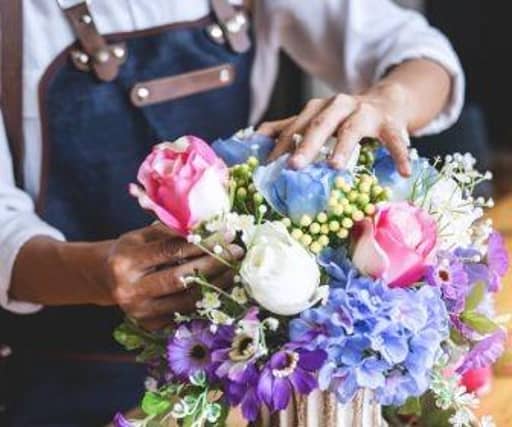

Rising inflation and surging bouquet prices are making fresh flowers feel more like a luxury than a regular home indulgence. As consumers turn to longer-lasting alternatives, high-quality faux flowers are fast becoming the centrepiece of a more cost-conscious and sustainable floral trend.
The Flower Bouquet Price Index: Why Faux Flowers Are the Future of Floral Decor
Rising inflation and surging bouquet prices are making fresh flowers feel more like a luxury than a regular home indulgence. As consumers turn to longer-lasting alternatives, high-quality faux flowers are fast becoming the centrepiece of a more cost-conscious and sustainable floral trend.
Fresh flower prices are blooming out of control. Across the UK, the classic dozen red roses now fetches anywhere from £50 to £90, putting a strain on consumers who once considered fresh bouquets a simple luxury. In response, more Britons are investing in faux flower arrangements, opting for long-term beauty over fleeting charm.
Recent data from Prestige Botanicals shows a growing shift toward permanence and practicality. From cost-conscious families to event stylists and allergy sufferers, more people are turning to artificial florals that don’t wilt, don’t waste, and don’t need replacing.
Mapping the UK’s Favourite Flowers: Roses Still in Full Bloom
An analysis of search data using Google Keyword Planner shows that the rose is the most beloved flower in the UK, dominating searches in 49 cities. While some regions opt for hydrangeas or daffodils, the rose remains the classic staple across England, Scotland, and much of Wales. This strong national preference continues to shape pricing, gifting trends, and the growing appeal of longer-lasting alternatives.
Top 10 Cities and Their Most Popular Flower:
| City | Most Popular Flower |
| London | Rose |
| Birmingham | Rose |
| Liverpool | Rose |
| Nottingham | Rose |
| Sheffield | Rose |
| Bristol | Rose |
| Glasgow | Rose |
| Leicester | Rose |
| Edinburgh | Rose |
| Leeds | Rose |
London
As the UK’s largest and most diverse city, London’s love for roses is hardly surprising. Whether it’s for Valentine’s Day, birthdays, or corporate arrangements, the city’s demand keeps florists busy year-round. The premium placed on convenience and fast delivery also explains the steep markup in metropolitan areas.
Birmingham
In England’s second-largest city, rose popularity mirrors the national average, but the price difference between inner-city and suburban shops is more pronounced. Many residents are now turning to faux options that offer the same aesthetic appeal with none of the waste.
Liverpool
A cultural and artistic hub, Liverpool leans into traditional blooms like roses for personal and event-based decor. The rising cost of weekly arrangements has contributed to a growing interest in reusable florals for both home and hospitality settings.
Nottingham
Known for its student population and eclectic city style, Nottingham still shows a traditional preference when it comes to flowers. Roses dominate, but demand is shifting to faux for dorms, flats, and cost-conscious events.
Sheffield
In this northern city, affordability is a key factor. As local florists continue to charge £50-£70 for a dozen roses, Sheffielders are increasingly choosing faux bouquets that offer longer shelf life for less frequent spend.
Roses Still Rule, But at a Premium
Among the most popular flowers in the UK, roses top the list in 49 cities. Their symbolism, versatility, and beauty remain unmatched, but so do their prices.
Prestige Botanicals’ analysis of UK flower shops shows that a dozen red roses typically costs between £50 and £90 at retail. Unlike the US, there is a noticeable price gap between metropolitan and rural areas, with London and other major cities consistently charging more.
Yet, behind the scenes, the cost to produce those bouquets paints a clearer picture:
| Component | Estimated Cost |
| Wholesale red roses (12) | £12–£21 |
| Greenery & filler flowers | £3–£6 |
| Wrapping & ribbon | £2–£4 |
| Florist labour | £10–£20 |
| Total | £27–£51 |
| Retail price | £50–£90 |
| Markup / Profit | £20–£60 |
This markup reflects not only florist service charges but also the perishability of fresh flowers, which must be used or discarded within days.
Faux Flowers: A Lasting, Luxurious Alternative
Consumers are increasingly asking: Why pay for something that dies in a week?
That’s where Prestige Botanicals offers a compelling solution. Their Real Touch red roses, priced at $35/£28 per stem, mimic the look and feel of the real thing, minus the maintenance or shelf life. While a dozen faux roses totals £336, they last indefinitely.
Consider this cost comparison:
| Fresh Flowers (2x/month) | Faux Flowers (One-time) |
| £50 x 24 = £1,200/year | £336 for a dozen |
The numbers don’t lie: faux flowers are a one-time investment with years of return.
Beyond the cost, faux arrangements appeal to buyers who:
- Want a consistent, polished look
- Have allergies or pets
- Travel often or maintain second homes
- Host events or seasonal gatherings
From mantelpiece centrepieces to wedding keepsakes, today’s artificial flowers are design-forward decor choices.
How to Choose Faux Flowers That Feel Real
If you’re considering switching to faux florals, here are a few expert-backed tips:
Prioritise Quality
Look for “real touch” materials that replicate the softness, weight, and detail of real petals. Avoid overly glossy or plastic-looking stems.
Match Your Home’s Style
Choose arrangements that align with your existing decor. Neutrals and classic varieties (roses, peonies, hydrangeas) are timeless.
Maintain Lightly
Faux florals only need occasional dusting: a far cry from the upkeep of trimming, watering, and replacing fresh blooms.
Reuse Creatively
Move arrangements around the home, restyle them for different seasons, or use them for events.
“Over the last few years, we’ve seen a growing number of customers making the switch from fresh to faux, especially those who used to buy flowers weekly. The biggest driver is no longer just cost, but practicality. People want beautiful surroundings that don’t demand constant upkeep.
Faux florals are crafted with precision to mimic real petals, down to the subtle curve or natural variation. Once people see and feel them, they're surprised at how realistic they are. For many, it becomes less about replacing fresh flowers and more about elevating their space in a smarter, more sustainable way.
These floral art fits modern lifestyles. Whether it’s for home, work, or special events, people are realising they can have both elegance and ease,” says Floral Design Expert, LeAnne Samuelson from Prestige Botanicals.
As the cost of living and fresh flower prices continue to rise, faux arrangements present an elegant, cost-effective solution. No longer a compromise, they’re becoming the preferred choice for those who value beauty with staying power.