
Thousands of Cornwall homes power up with solar as installations top 31,000
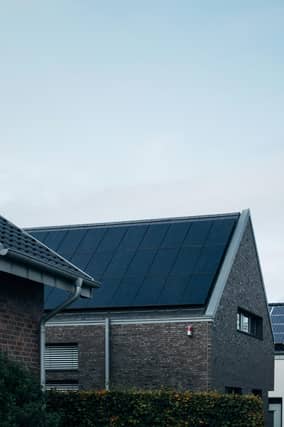

A new study has revealed which locations in the UK are leading the way in solar panel adoption based on 2024 installation data.
Energy experts at E.ON UK , analysing GOV.UK data, determined which locations have the highest rates of residential solar panel adoption across the country.
A remarkable one in eight homes across Cornwall now has solar panels, with 31,024 systems across approximately 250,500 households. This corresponds to an adoption ratio of roughly 12%, indicating a significant regional commitment to decentralised renewable energy generation.
Somerset follows closely with 24,603 solar panel systems across an estimated 250,100 households. The resulting adoption rate of around 10% reflects strong community participation in renewable energy.
North Yorkshire’s 22,983 installations are spread across an estimated 274,400 households, yielding an adoption rate of just over 8%. The figures point to steady growth in solar energy use, especially across the county’s rural communities.
Wiltshire records 19,794 solar installations across 215,100 households. Around one in every 11 (9%)households now has solar panels, showing that residents are increasingly investing in renewable energy.
Aberdeenshire stands out as Scotland’s top solar region, with 17,381 installations serving approximately 117,419 households. Despite nearly 15% of households in the area now having solar panels, the region ranks sixth in the UK overall due to the number of solar panel installations during the time frame analysed.
Dorset ranks sixth and reports 15,744 solar panel systems among 169,300 households, translating to an adoption rate of roughly 9%. County Durham follows with 14,001 installations across 234,800 households, equivalent to a 6% adoption rate.
Buckinghamshire’s 13,619 solar systems span 220,300 households, resulting in a 6% adoption rate. While adoption is still developing, the figures show steady growth in residential solar across the county.
Leeds records 13,417 installations across 341,500 households, which is around a 4% adoption rate. As one of England’s largest urban centres, the city’s relatively lower proportion reflects the challenges of implementing solar at scale in densely built environments.
Birmingham ranks tenth with 13,328 installations among 423,500 households, representing an adoption rate near 3%. Despite lower proportional uptake, the city’s number of systems demonstrates a sizable contribution to urban renewable capacity.
Fife contributes 13,057 installations across 171,913 households, producing an adoption rate of approximately 8%. This figure reflects Scotland’s increasing embrace of decentralised energy generation across both rural and coastal areas.
Northumberland’s 12,908 solar panel systems serve roughly 146,900 households, equating to an adoption rate of 9%. North Somerset records 12,108 installations among 94,600 households, which is an impressive adoption rate of around 13%.
South Cambridgeshire demonstrates a particularly high level of solar engagement, with 11,862 systems across just 67,000 households. The resulting 18% adoption rate is among the best nationwide, highlighting the area’s proactive investment in clean energy technologies.
Shropshire rounds out the top fifteen with 11,793 installations serving 139,600 households, yielding an 8% adoption rate.
A spokesperson at E.ON UK commented on the findings:
“This data shows the locations with the strongest commitment to renewable energy through solar adoption. Cornwall leads the UK in total solar panel installations with 31,024, reflecting a strong overall uptake, while South Cambridgeshire, with nearly 18% of households equipped, demonstrates how rural communities can achieve exceptionally high adoption rates.
“With households driving much of the current growth, there’s a major opportunity for businesses to follow suit. If every business in Cornwall were fitted with solar panels, the energy produced could power the equivalent of 130.12% of homes in the region, according to our research. In Somerset, that figure rises to 160.77%, showing significant potential for commercial sites to boost local renewable generation.
“Expanding solar adoption across both households and businesses will be key to making the energy transition affordable, sustainable and secure. As technology becomes more accessible and installation costs continue to fall, the path to energy independence is opening for more communities. By investing in solar installations across homes and workplaces alike, we can accelerate the UK’s move toward a cleaner, self-sufficient energy future that brings lower bills, stronger local infrastructure and greater energy security for everyone.”