
Grassroots sport calls for extra assist to avoid own goal
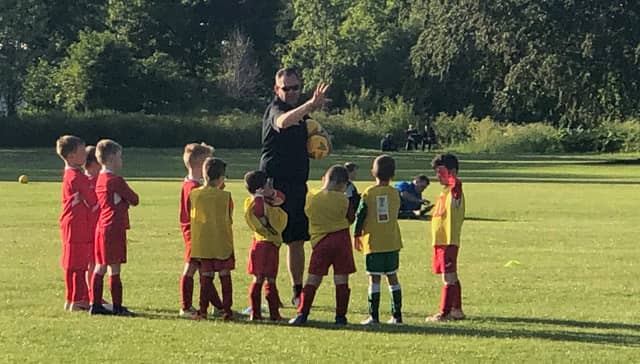

Grassroots sport has issued a plea for more support to avert the risk that many community hubs will be lost to economic pressures – and to stem drops in participation due to cash pressures on young people.
New research from leading charity Sported has found that 85 per cent of clubs and groups believe there isn’t enough investment into grassroots sport to back its impact at a community level.
The report, produced in conjunction with home security company Ring, found that over half of those surveyed (55%) has seen young people in their group disengage or reduce participation in sport and physical activity over the past six months because they can no longer afford it. One in five said young people in their communities face inequitable access to sport opportunities and activities.
Travel was cited as a major factor with 53 per cent citing it as a barrier to taking part. While almost half of respondents (48%) stated that the availability of facilities is a significant challenge.
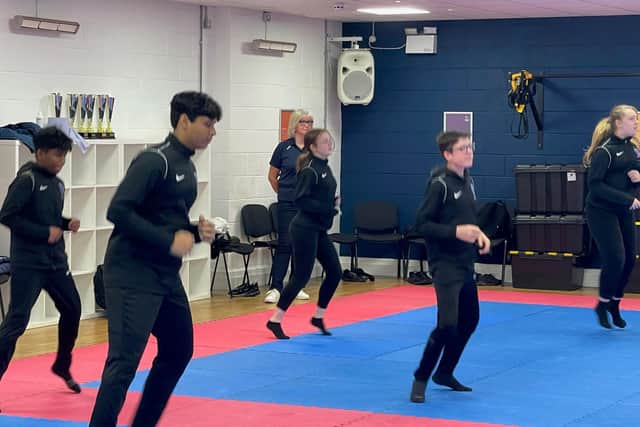
Affordability for those renting facilities (46%), maintenance and upkeep (44%) and running costs (43%) for those owning their own facilities were also reported as significant challenges.
When asked what they would raise with the UK’s quartet of Sports Ministers, five key themes emerged in the Sported/Ring research.
· Increasing funding for grassroots and community sport
· creating a more equitable funding model with more focus on community groups and their needs (as well as a wider variety of activities and sports)
· the affordability and accessibility of venues and facilities
· governmental awareness of the benefits of community sport and physical activity on all aspects of young people’s lives
· expanding opportunities for participation across communities
“Grassroots sport is an extraordinary tool for change in our communities and its impact should not be underestimated,” said Sarah Kaye, CEO of Sported.
“They may deliver the next Harry Kane or Keely Hodgkinson. However groups and clubs do not always get the recognition they deserve from government in creating real opportunities for our young people.
“All of them are addressing the challenge of cultivating a healthier society, but they are also incredibly effective in addressing challenges such as community cohesion, inclusion, crime prevention and employability.
“By empowering grassroots sport and investing into the ecosystem around it, there is a real return through sowing the seeds for a level playing field for our next generation, on and off the court or pitch.”
The research from Sported, who support around 5,000 grassroots groups reaching one million young people around the UK, highlights an increased recognition of the role that these organisations play in delivering social impact.
“Taking part in physical activity improves mental health amongst our young children, helps them get out and meet new people, improve social interaction, and build confidence that will help them in their daily lives.” Mohammad Suhaib Khan of Bradford-based Whetley Juniors FC.
“These groups foster social connections, helping kids build friendships and develop teamwork skills” said Abbi Thompson of Lincolnshire-based Diamondz School of Dance. “They also boost self-esteem and confidence as youngsters master new skills and overcome challenge.”
87 per cent of grassroots sports clubs said they get inactive young people active as well as improving mental health, particularly among underserved and marginalised communities.