
Europe’s best wild swimming spots: The top secret spots for outdoor water escapes
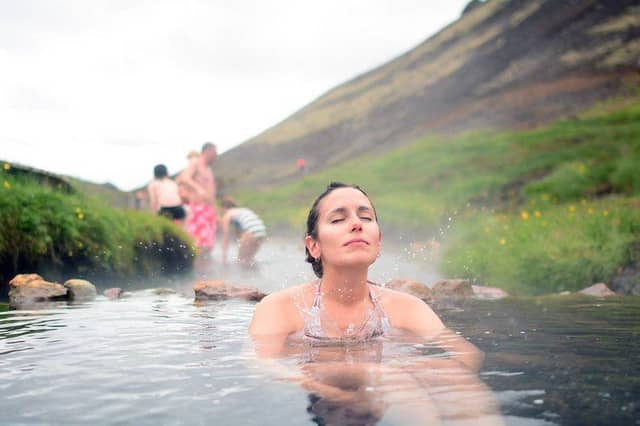

The usual tourist clichés—packed parties in Ibiza, queuing to see ancient monuments, and scrambling for a spot on popular beaches—may be a thing of the past. New research from Icelandair reveals that half of Brits (50%) now prioritise rest and relaxation when booking holidays, with almost 7 in 10 (68%) saying they feel much more mentally refreshed after spending time in nature than in the city.
A survey of 2,000 people across the UK, conducted by Icelandair highlights the nation’s strong connection to nature, with two-thirds (66%) saying they feel the urge to visit green spaces every four weeks, and almost as many (65%) admitting they’re craving the outdoors in general. Being close to water is also key, as 4 in 10 (40%) say they can’t relax unless they’re near it.
For those seeking peace away from the crowds—from alpine lakes to geothermal rivers—Icelandair has uncovered 20 of Europe’s lesser-known wild swimming spots, each with low monthly Google search volumes. Nine of them are in the UK.
Wild swims, no crowds: From mountain lakes to thermal rivers

1. Llyn Gaslyn, Wales
Topping the list of incredible European wild swimming spots with zero monthly searches is Llyn Gaslyn — a Welsh lake tucked just below the summit of Snowdon. This high-altitude beauty sits at around 600 m above sea level and is accessible via the Miners’ Track, making it a perfectly chilled reward after a summer hike.
It’s a truly hidden gem — so unknown that there isn’t even a single TripAdvisor review. But a word of caution: as a mountain lake, the water temperature rarely rises above single digits, even in peak summer.
2. Lake Drīdzis, Latvia
The deepest lake in the Baltic states, Lake Drīdzis, ranks as one of the best hidden gems, with just 30 monthly searches and—remarkably—no TripAdvisor reviews.
Protected since 1977 as part of Lake Drīdzis Nature Park, its waters are quiet and clear, making it perfect for meditative dips or a refreshing swim. In summer, surface temperatures reach around 20 °C, making the lake cool but comfortable for wild swimming.
There are recreation hubs on the lake, such as Sauleskalns and Mežābeles, that offer boat and SUP rentals, saunas, and lakeside lodges—yet crowds remain minimal compared to more popular Baltic escapes.
3. Loch an Eilein, Scotland
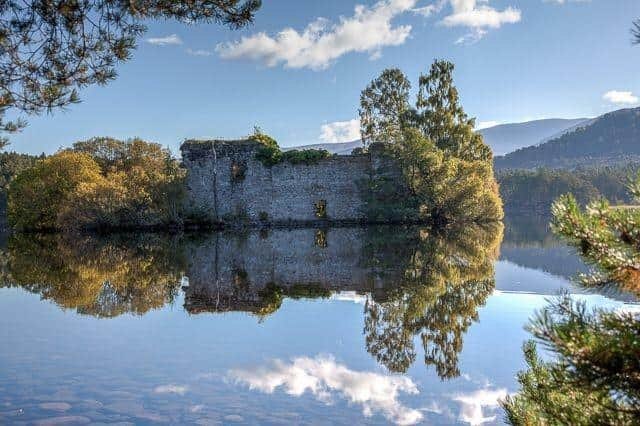
Tucked away in Scotland’s Cairngorms National Park, Loch an Eilein is a tranquil freshwater lake surrounded by ancient pine forest, overlooked by the ruins of a 13th-century castle. It’s a fairytale setting—and still a hidden gem, with just 40 monthly searches and a 4.7/5 rating on TripAdvisor.
People love it for peaceful walks, wild swims, and even dog dips. Just be prepared: summer water temperatures stay chilly, between 5 °C and 12 °C—a wetsuit is a good idea!
4. Mrežnica River, Croatia
You’ve probably heard of Dubrovnik and Croatia’s Adriatic coast, but the Mrežnica River is a lesser-known inland gem. With only 70 monthly Google searches and just 28 TripAdvisor reviews (average rating 4.6/5), it remains one of Europe’s best-kept wild swimming secrets. The river’s emerald-green waters flow through unspoiled nature, earning it praise from visitors as a “must-see” and a destination that’s still “under the radar.”
Thanks to its shallow depth and slow flow, the Mrežnica River reaches summer water temperatures between 20 °C and 30 °C—significantly warmer than most mountain lakes—making it one of the most comfortable wild swimming spots in Europe.
5. Reykjadalur Hot Spring River, Iceland
Iceland, despite its name, is home to the hottest river on this list. While the country is famous for the Blue Lagoon, Reykjadalur Hot Spring River remains one of its best-kept natural secrets. With just 210 monthly Google searches and 2 Tripadvisor reviews, it’s a genuine hidden gem. Located near the town of Hveragerði, this geothermal river winds through a volcanic valley just 45 minutes from Reykjavík and is accessible via a scenic 3 km hike.
Thanks to geothermal activity, the river’s temperature varies between 30 °C and 40 °C. It’s also very shallow, so not ideal for swimming, but it’s an incredible spot for bathing and soaking in nature’s warmth.
Doctor reveals lesser-known health benefits of wild swimming
Icelandair spoke exclusively with Dr Hana Patel, UK based GP, who has outlined 5 lesser-known health benefits of wild swimming:
1. Activation of Brown Fat
Cold water activates brown adipose tissue, a type of fat that burns calories to keep you warm. Unlike white fat, brown fat may help regulate body weight and improve metabolic health — making wild swims a natural metabolic booster.
2. Hormetic Stress Adaptation
Wild swimming is a form of hormesis — a mild stressor that strengthens the body’s response to bigger stress. Just like lifting weights or fasting, it challenges your system to adapt, making you more resilient over time both physically and mentally.
3. Improved Sleep Quality
After a wild swim, the body tends to cool down and regulate circadian rhythms, promoting deeper sleep. Many regular cold-water swimmers report falling asleep faster and waking up feeling more refreshed.
4. Enhanced Lymphatic Drainage
The contraction and relaxation of muscles in cold water — combined with hydrostatic pressure — stimulates the lymphatic system, helping to flush out toxins and reduce swelling or bloating.
5. Increased Skin Circulation & Glow
Cold water boosts skin blood flow, leading to a healthy flush and improved skin tone. Some swimmers also report clearer skin, potentially due to reduced inflammation and natural exfoliation from mineral-rich waters.
Research conducted by : https://www.icelandair.com/en-gb/