
Eurostar’s New Double-Decker Trains Signal a Greener Journey to Paris
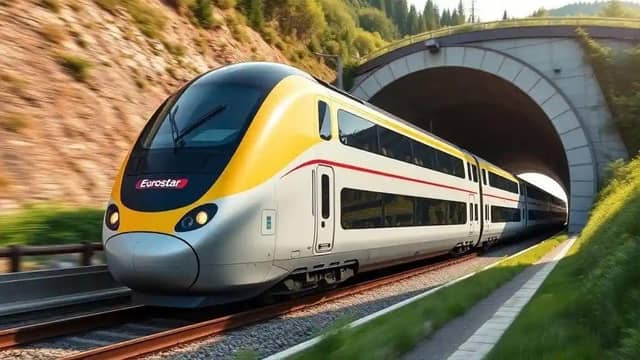

There’s something quietly magical about stepping aboard a Eurostar train at London St Pancras International and knowing that, within little more than two hours, you’ll be in the heart of Paris. No airport queues, no baggage drama — just a calm, electric hum as the train glides beneath the Channel and into France. It’s a journey that feels elegant and modern, and more importantly, it’s one of the most sustainable ways to travel in Europe.
Eurostar has long been a leader in low-carbon travel, but its latest plans mark a new chapter in European mobility. The company has announced a landmark €2 billion investment in up to 50 new double-decker trains, part of what it calls the “next generation” of international rail. Built by Alstom, these new trains named Eurostar Celestia are designed to take sustainable travel to unprecedented levels. Each train will be 200 metres long, with 540 seats, offering 20 per cent more capacity than the current fleet. Two units can run together, providing space for over 1,000 passengers on busy services. The Celestia trains will be 97 per cent recyclable, made from 25 per cent recycled materials, and consume up to 50 per cent less energy. It’s a design as efficient as it is poetic — the name itself derived from caelestis, the Latin for “heavenly,” symbolising both the stars above and the network of cities the service connects below.
For Eurostar’s CEO Gwendoline Cazenave, the project reflects a much bigger vision. “This is a golden age for international sustainable travel and Eurostar is leading the race,” she says. The goal is bold: 30 million annual passengers and a network that becomes the backbone of responsible travel across Europe.
From the moment travellers pass through security at St Pancras, the experience feels refreshingly human. The terminals are calm, the service efficient, and the train itself spacious and bright. Passengers can settle into wide seats, plug in their laptops, and watch the English countryside fade into the chalky underpass that leads to France. Emerging into daylight on the far side of the Channel never loses its thrill. And unlike air travel, there’s no transfer into the city centre you arrive right in it. Stepping out of Gare du Nord, the energy of Paris greets you instantly. Yet it’s a city transformed: cleaner, calmer, and visibly greener.
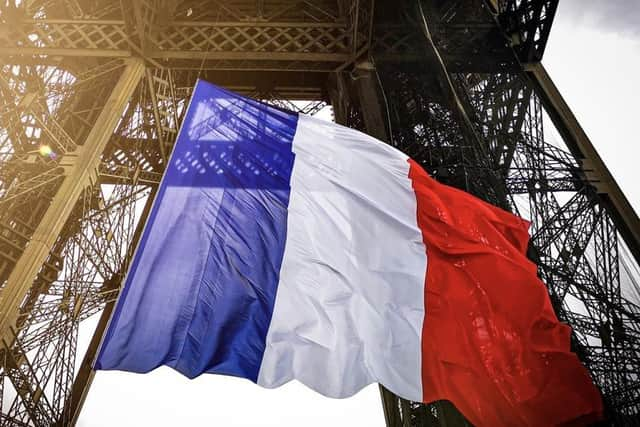
Over the last decade, Paris has undergone a quiet revolution. Where once the avenues were clogged with traffic, there are now cycle lanes and gardens. Rue de Rivoli, once a main artery for cars, has become a pedestrian boulevard. The air is noticeably fresher, the pavements wider, and the rhythm slower. Paris has reduced air pollution by more than 50 per cent since 2005 and is on track to be carbon-neutral by 2050. Petrol and diesel cars are being phased out, while fleets of electric buses and shared bikes have taken their place.
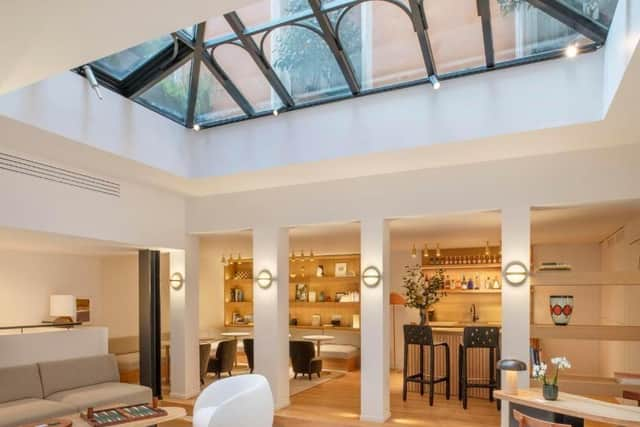
In a city famed for style, sustainability has found its own aesthetic. Residences like Hôtel Nuage, tucked between the chic boutiques of the 8th arrondissement, is a perfect example. It’s small, personal, and beautifully understated a boutique retreat built on principles of slow living. There’s no plastic, no minibar excess, no wasteful touches. Instead, guests find organic linens, natural light, and calm spaces that encourage you to rest and recharge. The breakfasts are local, the coffee is fair-trade, and the staff speak passionately about their commitment to eco-hospitality. It’s proof that luxury and conscience can sit side by side.
From there, Paris is best explored on foot or by e-bike and that’s where the Je t’aime Paris Passlib card comes in. Designed for visitors who want to experience the city sustainably, the pass opens up an imaginative itinerary: guided e-bike tours through the Marais, a cruise down the Seine, entry to the Eiffel Tower and the Arc de Triomphe, and even chocolate- or perfume-making workshops with local artisans. It’s Paris at a human pace —creative, cultured, and refreshingly relaxed.
One of the city’s most delightful innovations is the Bus Toqué, an entirely electric, glass-roofed restaurant on wheels that glides through the streets while serving gourmet French cuisine. Diners enjoy three or five courses prepared on board, accompanied by views of the city’s illuminated landmarks from the Louvre to Les Invalides. The hum of the engine is replaced by soft conversation and the gentle clinking of glasses. It’s an experience that captures the new Paris perfectly: indulgent, but environmentally thoughtful.
Those wanting to see more of the city from above can also opt for Tootbus, a fully electric sightseeing fleet that offers panoramic views without the emissions. It’s another reminder that, here, sustainability doesn’t feel like a constraint it feels like progress.
What’s most striking about Paris today is its balance. The cafés still buzz, the bridges still shimmer at night, and the romance is as alive as ever but the tempo has changed. Locals walk more, linger longer, and seem to enjoy their own city in a new way. There’s a serenity in the pace, a sense that less rush has created more room for living. For visitors arriving on Eurostar, it’s easy to fall into that rhythm.
Paris now ranks 21st on the Global Destination Sustainability Index, one of the fastest-rising European capitals in environmental performance. But numbers alone can’t capture what it feels like to be there, the clarity of the air, the silence between electric buses, the pleasure of wandering streets that once roared with engines. Its all good.
Leaving Paris by Eurostar feels seamless. You can check in just 45 minutes before departure, wander the station’s artisan shops for a final macaron or bottle of Chablis, and step aboard. The train pulls away smoothly, and the city fades to gold through the window. There’s time to read, reflect, and perhaps plan the next visit.
As the train slips back beneath the Channel, you realise how fitting it is that the most romantic journey in Europe is now also one of the most sustainable. Eurostar’s promise to make international travel cleaner, faster, and more human is already being kept, one journey at a time. And when the new Celestia fleet rolls out in 2031, that promise will only deepen.
Because this isn’t just about getting to Paris. It’s about redefining how we travel responsibly, comfortably, and with the same sense of wonder that first drew us to explore. With Eurostar, the journey itself has become part of the destination.