
Tiny house communities around the world you need to see
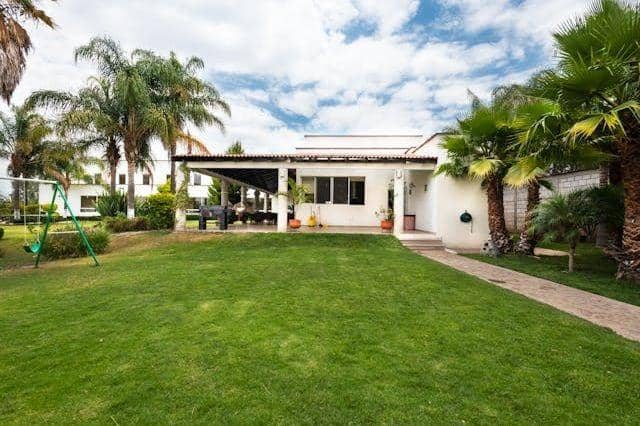

Tiny house communities have moved from quirky novelty to serious, sustainable housing option—blending affordability, eco-design, and strong neighborhood bonds.
If you’re curious about small-footprint living or you just love visiting clever places, here’s a world tour of tiny house hot spots, what makes each scene unique, and how to experience them respectfully.
North America: From pioneers to polished pocket neighborhoods
Pacific Northwest, USA
If tiny house living had a spiritual home, it might be the misty, maker-friendly Pacific Northwest. Expect wood-forward cabins, shared gardens, tool libraries, and community kitchens. Many neighborhoods cluster around a common green with footpaths instead of driveways, encouraging slow, walkable life. You’ll also see shared solar microgrids and rainwater systems—proof that small + shared scales sustainability.
Mountain States & Southwest, USA
Higher elevation and desert climates inspire passive-solar layouts, wide overhangs, and thoughtful siting for wind protection. You’ll find tiny home villages near ski towns (seasonal workers love them) and desert artist enclaves where off-grid setups—composting toilets, greywater, battery storage—shine. Expect starry skies and creative reuse of materials.
Canada
Canadian tiny neighborhoods tend to blend Scandinavian simplicity with robust insulation and air sealing (mini-splits plus HRVs are common). Look for co-op ownership models and community repair days—neighbors insulating crawlspaces together is a thing. When winter bites, shared saunas and warm common houses become social hubs.
Why visit North America’s scene: polished design, strong building science, and a mature ecosystem of builders, lenders, and zoning pilots. It’s a great place to learn the nuts and bolts of tiny construction and governance.
Europe: Design-forward, policy-curious, and bikeable
Netherlands & Belgium
Dutch and Belgian pilots show how municipal support can incubate tiny house clusters quickly. Expect smart site plans, bike-first mobility, and community composting baked into neighborhood rules. Homes often feature modular panels and triple-glazed windows—compact but airy, with big daylight.
Germany & Austria
Energy nerds, rejoice. You’ll find Passivhaus-inspired tiny builds with meticulous airtightness and heat-recovery ventilation. Communities here often sit at the intersection of cohousing and tiny living: private micro-homes around a generous common house with kitchen, laundry, workshops, and flexible workspaces.
Portugal & Spain
Sun-rich Iberia showcases solar-heavy microgrids, pergolas, and food forests. Rural land projects pair tiny homes with regenerative agriculture—think greywater-fed orchards and drought-tolerant gardens. The pace is slow, the food is local, and the sunset gatherings are legendary.
Why visit Europe’s scene: city-backed pilots, excellent cycling infrastructure, and design innovation. You’ll come home with ideas for envelopes, shared amenities, and climate-savvy landscaping.
Asia-Pacific: Off-grid grit meets nature-first living
Japan
Space constraints meet craft tradition. Japanese micro-homes achieve serene minimalism with shoji-inspired partitions, built-in storage, and multipurpose rooms. Clusters near forests or hot springs prioritize quiet, contemplative living, and neighbors share onsen visits like others share a pool.
Australia
From coastal shires to bushland clearings, Aussie communities balance bushfire resilience (ember-resistant materials, defensible space) with indoor-outdoor living. Rainwater harvesting, raised decks, and breezeways are common. Weekend “working bees” keep trails mulched and solar panels spotless.
New Zealand
Aotearoa’s tiny villages lean into lightweight, mobile structures that tread gently on the land. Expect community gardens, compost hubs, and shared sheds packed with surfboards, kayaks, and tools. Kaitiakitanga—guardianship of land and water—shows up in everyday decisions.
Why visit Asia-Pacific’s scene: nature immersion, resilient design, and resourceful off-grid tech that proves tiny can be comfortable in remote places.
Latin America & the Caribbean: Regeneration and warm-climate craft
Mexico
Beach and highland communities alike experiment with natural plasters, shade courts, and cross-ventilation. Local hardwoods and palapa-inspired roofs keep interiors cool. Social life centers on shared kitchens and shaded courtyards where neighbors cook together and swap repair skills.
Costa Rica & Panama
Rainforest-adjacent tiny clusters prioritize water stewardship: rain gardens, living roofs, and greywater wetlands. Expect bird calls for alarm clocks and compost cycles that actually close the loop—kitchen scraps return to the soil that grows your papayas.
Why visit Latin America’s scene: regenerative landscaping, climate-smart vernacular design, and community rhythms that slow you down (in the best way).
Africa & the Middle East: Low-impact materials and micro-economies
South Africa & Namibia
You’ll see hybrid tiny builds—timber frames paired with earthen plasters, or small structures supplementing main homes as backyard rental units. Communities often weave in micro-enterprises (bakeries, repair kiosks, craft markets) that keep money circulating locally.
Morocco & Jordan
Where water is precious, innovation thrives: cisterns, drip irrigation, and courtyard microclimates. Compact footprints and thick, light-colored walls control heat without lavish mechanical systems. Shared shade structures become beloved community rooms.
Why visit this scene: ingenious low-tech cooling, community entrepreneurship, and frugal beauty.
What tiny house communities get right (and what you’ll feel)
- Right-sized private space, generous shared space. Living rooms shrink; common houses and greens expand. You feel connected without feeling crowded.
- Shared tools beat fifty garages. Libraries for drills, saws, sewing machines—plus seed banks and bike repair stations—make ownership lighter and cheaper.
- Low energy, low waste, high joy. Solar arrays, compost hubs, and rainwater systems are normal, not “features.” The result is lower bills and a lighter footprint.
- Governance that actually works. Simple agreements—quiet hours, pet rules, garden duties—keep the peace. Many groups are co-ops or HOAs with green covenants.
How to visit (respectfully) and what to look for
Plan ahead. Many communities are private residences; some host open houses or short stays. Look for tiny house hotels, eco-lodges with micro-cabins, or co-living villages that accept guests. Always book before you show up.
Observe quietly first. If you’re touring, ask about:
- Energy + water data: average kWh/home, solar capacity, water use per person.
- Waste systems: composting toilets, greywater reuse, recycling and repair culture.
- Mobility options: transit proximity, bike storage, EV charging, car-share.
- Resilience features: shading, fire/flood planning, backup power.
- Governance: how decisions happen, maintenance plans, conflict resolution.
Mind the etiquette. Keep noise low, park where directed, and don’t photograph people without permission. Offer to join a chore if you’re staying more than a night—mulching paths or tidying a shed is a fast track to real conversations.
Design details to steal for your own build
- Airtight, well-insulated envelope with high-performance windows—your best energy investment.
- Covered outdoor room (porch/pergola) to double living space in mild seasons.
- Loft or ladder? Choose based on mobility and climate; ship ladders save space but aren’t for everyone.
- Storage in the stairs and under benches; pocket doors to free wall space.
- Community-first site plan: cluster homes around a green, put cars at the edge, and connect everything with footpaths.
A sample 3-stop tiny travel itinerary
- Design Deep-Dive (Europe): Tour a Dutch pilot village, rent a cabin for a night, and bike through three nearby projects to compare site plans.
- Off-Grid Skills (Australia or New Zealand): Stay at a rural cluster, learn solar maintenance, greywater gardening, and fire-wise landscaping.
- Regenerative Living (Costa Rica): Volunteer for a week: compost, plant food forests, and help with a community tool library.
You’ll return with practical know-how—and a clearer sense of what “enough” feels like.
The big takeaway
Tiny house communities prove that comfort doesn’t require excess. By shrinking private footprints and expanding shared assets, they deliver lower costs, lower carbon, and higher connection. Whether you’re scouting a place to live or just learning, visiting these neighborhoods is like stepping into a near-future that’s friendly, frugal, and full of life.