
Tourism in the Cyclades: Balancing growth, luxury, and sustainability
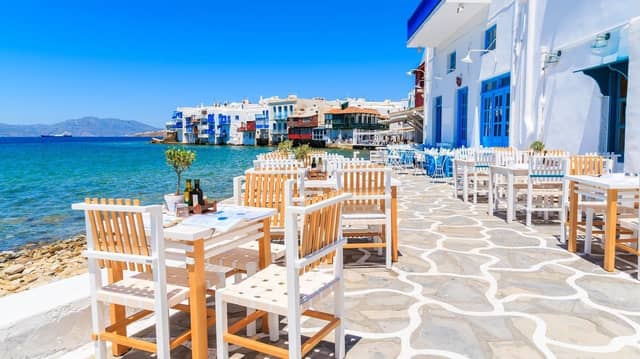

The Cycladic islands, scattered across the Aegean Sea, are among the most iconic destinations in the Mediterranean. With whitewashed villages, azure waters, and rich cultural history, islands such as Mykonos, Santorini, and Milos have become emblematic of Greece’s global tourism appeal. Yet with growing visitor numbers and increasing demand for luxury travel, the region faces both opportunities and challenges that warrant academic and policy-level attention.
The Economic Backbone of the Aegean
Tourism is the lifeblood of the Cyclades. In 2023 alone, Greece welcomed over 32 million international tourists, with the South Aegean region accounting for a substantial portion of arrivals. Mykonos, for example, receives over 2 million visitors annually, far outnumbering its permanent population of around 10,000.
This influx supports thousands of jobs and contributes significantly to regional GDP. For lesser-known islands such as Sifnos, Folegandros, or Tinos, tourism has revitalized economies that once relied on agriculture or fishing. However, economic dependency on seasonal tourism also makes these communities vulnerable to market shifts, global events, and climate-related disruptions.
Environmental Pressures and Infrastructure Strain
While tourism fuels local economies, it also places significant pressure on natural resources, infrastructure, and ecosystems. Water shortages are a recurring issue on islands like Ios and Antiparos, where demand from hotels and tourists can exceed local supply during peak months. Waste management systems, energy grids, and transport networks often struggle to keep pace with rising demand.
Islands such as Santorini and Mykonos have also faced criticism for overdevelopment and overcrowding. Increased traffic—both maritime and aerial—has raised concerns about noise pollution, emissions, and ecological disruption.
These dynamics present a valuable field of study for students and researchers interested in environmental science, urban planning, or sustainable development.
The Rise of Luxury Travel and Private Aviation
One of the most notable shifts in recent years has been the surge in luxury tourism. High-net-worth individuals increasingly seek tailored experiences, privacy, and efficiency—driving growth in sectors such as private yacht charters and helicopter services.
The emergence of services like the Mykonos helicopter tour reflects this trend. These private flights offer convenient and scenic access to various islands including Kea, Spetses, and Porto Heli. Beyond serving tourists, such services play a growing role in medical emergencies and high-priority transport, especially in locations with limited infrastructure.
From a research standpoint, the expansion of private aviation in the Cyclades opens discussions around sustainable air mobility, carbon emissions, and transport equity. It also highlights the evolving expectations of modern travelers and the need for responsive policy frameworks.
Cultural Heritage and Community Resilience
Tourism in the Cyclades is not only an economic force—it also intersects with local identity and heritage. The preservation of historic architecture, religious festivals, and traditional crafts has become both a cultural imperative and a tourism asset.
However, there is an ongoing debate about the commodification of local traditions. In destinations like Patmos and Syros, communities must navigate the balance between welcoming visitors and maintaining authenticity. This balance is particularly relevant for anthropological, sociological, and heritage studies.
Looking Ahead: Sustainable Futures
As Greece aims to lead in sustainable tourism, the Cyclades are becoming a testing ground for innovative solutions—from renewable energy projects to visitor caps in saturated locations. Universities, NGOs, and local governments are increasingly collaborating to develop resilient strategies that protect both environment and livelihoods.
For academics, the Cyclades offer a multidisciplinary landscape for research and engagement. Whether examining the economics of private travel, the environmental footprint of tourism, or the sociocultural impacts on island life, the region provides rich, real-world data for applied learning and inquiry, according to Hoper, who offer helicopter tours in the area.
In an era where tourism continues to evolve rapidly, understanding its impact on fragile island ecosystems like the Cyclades is not just an academic exercise—it’s a societal priority.