
UK ETA: Changes to border enforcement system explained

Changes to the UK border system have come into force today with the introduction of the ETA - here’s what it means for travellers.
A minister has said the enforcement of a border system for visitors to the UK starting from Wednesday (February 25) is “vital”. However, changes mean dual British nationals, including children, could be denied entry to the UK unless they have a British passport.
Home Office minister Mike Tapp urged anyone planning a trip to the UK to “ensure they are travel-ready” as visitors will now need an electronic travel authorisation (ETA), which is a digital permission to travel introduced in October 2023.
They cost £16 and permit multiple journeys to the UK for stays of up to six months over two years or until the holder’s passport expires, whichever is sooner. There are plans to increase the cost of an ETA to £20 at an unspecified future date.
Those without an ETA will not be able to board their flight, ferry or train but British and Irish citizens, including dual nationals, are exempt from the requirement.
Mr Tapp said: “The ETA scheme is a vital part of our work to strengthen the UK’s border security, helping to deliver a more efficient and modern service that works for both visitors and the British public. I’d urge anyone wanting to travel to the UK to ensure they are travel-ready and have the right permission, to make their journey much smoother.”
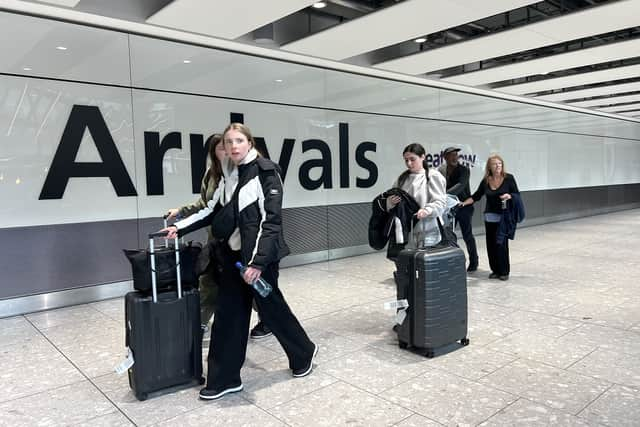

The policy change means dual nationals – who could previously enter the UK using their non-British passport – will need a British passport or to pay £589 for a certificate of entitlement. There are fears that holidays or work trips could be affected if people cannot get a passport or certificate of entitlement in time.
The Home Office previously said public information advising dual nationals to carry the correct documentation has been available since October 2024, and a “substantive communications campaign” has been running since 2023.
UK travel rules changes
From February 25, visitors to the UK will need an Electronic Travel Authorisation (ETA). Those without an ETA will not be able to board their flight, ferry or train. British and Irish citizens, including dual nationals, are exempt from this requirement, but they will have to meet other requirements.
What do UK dual nationals need to do?
In order to travel to the UK, dual nationals will now need a valid British passport. Alternatively, they can pay £589 for a certificate of entitlement to attach to their second nationality passport. Dual nationals have previously been able to enter the UK using their non-British passport without cost.
Dual nationals who try to enter the UK using only a foreign passport could face complications. British citizens have a statutory right of abode in the UK, but travellers might be subject to additional checks while their status is verified. They could also be stopped from boarding if they cannot prove their right of entry.
Why have ETAs been introduced?
ETAs have been brought in as part of a wider plans for a “more streamlined, digital immigration system” which the Government hopes will be faster and more secure for the millions of people who pass through the UK border each year. It is a digital permission to travel – it is not a visa or a tax and only authorises a person to travel to the UK.
Ministers say the introduction of ETAs is in line with the approach many other countries have taken to border security, including the US and Australia.