
Jet Fuel shortage: Airline passengers now face last minute flight disruption after Department for Transport rule change

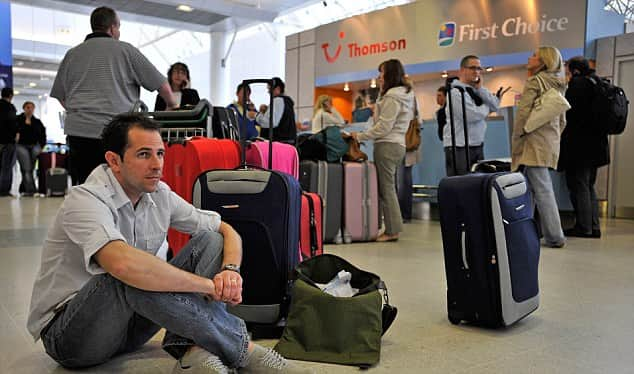
In a bid to save jet fuel, airline passengers will now face the prospect of having their flight changed at the last minute, the Department for Transport has said.
Passengers from different flights may be grouped together in a bid to save fuel amid the on-going Middle East crisis, it has been announced. The Department for Transport (DfT) said airlines will be allowed to put passengers together in a bid to cut the number of flights, saving jet fuel.
The temporary rule change will allow airline carriers to consolidate flights on routes where there are multiple trips to the same destination on the same day. It means passengers could be moved from the service they originally booked to a similar one to reduce the amount of wasted fuel from flying planes that have not sold out and might have been cancelled, the Department for Transport (DfT) said.
The Conservatives have criticised the plan, claiming it could see passengers “herded on to a different plane, at a time of the airline’s choosing”. Consumer group Which? said rules should not be “bent in favour of airlines”. But the DfT said the measure is designed to give passengers “greater confidence” by helping airlines to lock in their schedules earlier.
It comes amid warnings of a shortage of jet fuel ahead of the peak summer holiday season if the Strait of Hormuz does not reopen. Supplies of jet fuel from the Middle East have been disrupted since the US and Israel’s war with Iran because of Iran’s effective closure of the strait, a critical international shipping route.

Transport Secretary, Heidi Alexander, said: "There are no immediate supply issues, but we’re preparing now to give families long-term certainty and avoid unnecessary disruption at the departure gate this summer. This legislation will give airlines the tools to adjust flights in good time if they need to, which helps protect passengers and businesses."
But shadow transport secretary, Richard Holden, said: "Families who have booked their summer holiday could find their flight cancelled and themselves herded on to a different plane, at a time of the airline’s choosing. The honest message is that Britain is exposed to fuel supply risks that a properly energy-secure country would not face."
Rory Boland, editor of Which? Travel, said: "Existing rules already allow airlines to move customers to new flights so long as they give them more than 14 days’ notice and offer the choice between a new flight or a refund. It’s only for cancellations within 14 days that compensation is payable, rightly.
"It’s not fair for the rules to now be bent in favour of airlines and potentially leave passengers holding the bill. Many passengers will understand that disruptions can occur and may be happy to travel a few hours or a day later, but for those on short trips or connecting flights it could mean the trip is no longer worthwhile.
"Before any changes are made, passengers need cast-iron assurances that their rights will not be weakened and that airlines cannot use reform as cover to shift the cost of disruption on to travellers."