
As '67' banned by In-N-Out, what does it mean, why are kids saying it and where did it come from?

The viral “six-seven” meme has forced drastic action from a massive fast food chain.
Announced as Dictionary.com’s word of the year last month, it has now been banned by American burger outlet In-N-Out.
The restaurant chain has announced that it will no longer have the number on its ticket machines, meaning the order numbers will go straight from 66 to 68.
Number 69 has also been removed from the order listings.
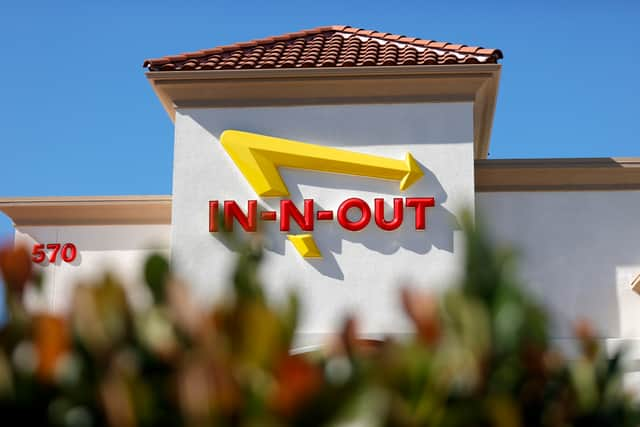

Apparently, this change has been implemented becuase of the reaction teens were having in-store when the number was called out, cheering and filming as they swarmed the counter.
Exactly where “six-seven” came from is murky. The term started popping up in classrooms and online spaces earlier this year, with teens using it as a kind of all-purpose phrase.
In a Dictionary.com press release, Steve Johnson PHD said: “It's part inside joke, part social signal and part performance. When people say it, they're not just repeating a meme; they're shouting a feeling.
“It's one of the first words of the year that works as an interjection - a burst of energy that spreads and connects people long before anyone agrees on what it actually means.”
What does “six-seven” mean?
Having become a large part of teenage slang, “six-seven” has been labelled as brainrot slang - a new internet culture centred around fast-paced videos and total absurdity.
Mentions of the word spiked on social media in sixfold this month, compared to the previous year.
The word appears to be a synonym for something being average or “mid”, as the kids would say. It sits somewhere between “so-so” and “maybe this, maybe that”.
Where did “six-seven” come from?
The slang’s roots stretch back to Skrilla’s 2024 song “Doot Doot (6 7)”, while others tie it to NBA player LaMelo Ball, who stands 6ft 7in tall.
The phrase also exploded in popularity after a viral clip of a boy - now known online as the Six-Seven Kid - shouting it during a youth basketball game.