
8 in 10 Brits say their pet is the love of their life - yet according to experts we're still missing crucial factors about how to keep them healthy
Pet owners could save £970 on avoidable and unexpected vet bills with simple, routine annual vaccinations. TV vet, Dr James Greenwood, pleads with pet owners to get their pets vaccinated annually to help save animals’ lives, whilst also reducing stress and financial strain for humans
A study commissioned by MyPet.com, founded by global animal health provider MSD Animal Health, surveyed 2,000 UK cat and dog owners and discovered 81 percent think of their pet as one of the loves of their lives, while 41 percent see them as their child.


In fact, we love our pets so much that, according to the survey, we shell out £1,400 a year on toys, treats, food and day care for our beloved animals but whilst pet owners are ready to splash the cash to show their pets how much they’re loved, many are leaving their pets vulnerable by lapsing on yearly vaccinations — which cost around £60-75 — and missing regular veterinary health checks.
Industry figures* show that 42% of dogs and 72% of cats in the UK haven’t been protected with annual vaccinations in the last year, while as many as 10 percent of pet owners in the MyPet.com survey admit they only take their pet for a check-up when they’re unwell. This not only puts their pets at risk but also ends up costing them even more money in the long run.

What’s more, the study shows that one in six (13%) of us have simply lost track of what vaccinations or treatments our pet has, or hasn’t had, over the years.
Veterinary experts are warning pet owners of the dangers of not vaccinating their pets annually due to the risks of contracting and transmitting serious illnesses from their everyday adventures. This warning comes as 44 percent of pet owners surveyed admit that their pet often drinks from muddy puddles, 34 percent bring home presents like mice and birds, 30% cent drink from water bowls in public spaces, and 17 percent regularly use doggy daycare, kennels or pet sitters.
Not only can these activities leave pets susceptible to diseases like leptospirosis and parvovirus if they are left unvaccinated, but they can also result in hefty bills if your pet becomes seriously unwell.
Nearly half (43%) of pet owners say they have needed to pay for an unexpected or emergency vet bill which could have been prevented with routine annual vaccinations. These visits have cost up to £970 each time because 51% of pet owners delayed or avoided taking their pet to the vet due to concerns about the initial cost, while 49% were unsure about the purpose of vaccinations.
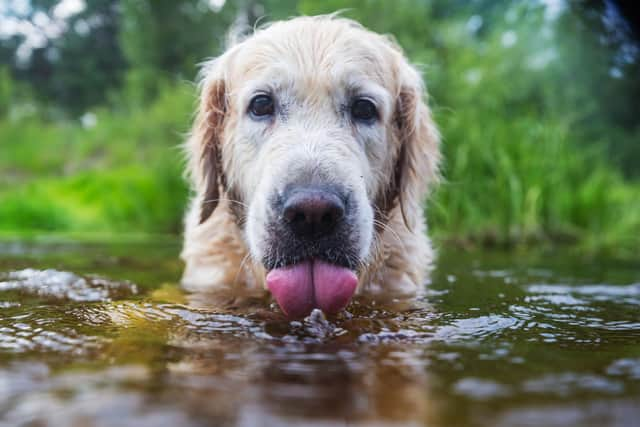
Leading veterinarians are urging pet owners to rethink their approach to showing their dogs how much they are loved by prioritising preventative care, explains Dr James Greenwood.
The veterinary expert shared: “This research confirms what we as vets encounter every day with our patients — many pets suffer unnecessarily from illnesses that could be easily prevented with a simple annual vaccination. Vaccinations and regular health assessments not only save lives but can also reduce stress and financial strain for pet owners.
“Whether pet owners are struggling to understand their options when it comes to vaccinations or are concerned about the cost, I’d always recommend talking to their vet about the treatments on offer as well as the health care plans that are available.”
Additionally, Rebecca Keseru, Veterinary Advisor at MSD Animal Health warns of the dangers of failing behind with your pet’s vaccinations: “Vaccinations are essential part of keeping our pets healthy. Not only, along with a yearly health check, do they help protect from life-threatening diseases like canine parvovirus and feline panleukopenia, but they can also help owners avoid costly medical treatments in the future.”
“Sometimes people assume pets only need vaccines when they are young, but dog and cat vaccinations do not last a lifetime, so our pets need regular boosters throughout their lives to remain protected.”
Vets (85 percent), veterinary clinics (55 percent), websites (32 percent), family (23 percent) and friends (21 percent) are the main sources of information when it comes to our pet’s health, along with other owners (16 percent) and forums (12 percent).
Amid these concerning statistics, experts urge pet owners to act by prioritising preventative care, so pets can live longer, healthier lives full of everyday adventures and avoid unnecessary nights in hospital.
Join the conversation and help spread awareness by sharing your own pet check-up experiences using #IAmProtected. For more information on pet healthcare, visit: uk.mypet.com/vaccinate