
Cancer Research UK to close nearly 200 shops
Cancer Research UK has announced one of the most dramatic shifts in its retail operations in recent memory: over the next 18 months, the charity will close nearly 200 of its high street shops across the UK.
The move, driven by rising costs, shifting consumer behaviour, and untenable margins, marks a pivotal moment for charity retail in Britain.
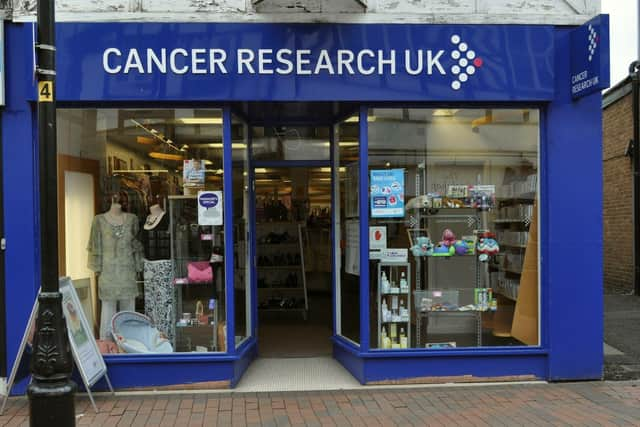

From a network of around 500 shops, the charity plans to shrink its "core chain" to some 320 stores. The first wave, around 90 shop closures, will take place by May 2026, followed by up to 100 more by April 2027. In place of many smaller outlets, Cancer Research UK aims to expand its footprint of larger, destination-style stores: 12 new “superstores” are slated to open by 2028.
“Without action, we predict many of our shops will become unprofitable,” said Chief Executive Michelle Mitchell. “A smaller, high-performing retail operation will mean we’ll fund more life-saving cancer research and better serve our customers, staff and volunteers.”
The decision is a stark reflection of the mounting pressures facing charity shops across the country. In its latest accounts (to March 2025), the charity recorded £120.8m in retail income, but costs of £120.0m, leaving very little buffer for investment or support for loss-making stores.
Much of the strain comes from macroeconomic headwinds. Rising inflation, increased employer National Insurance contributions (NICs), and falling high-street footfall have all squeezed margins. These pressures have been compounded by competition from online resale platforms and changing shopping habits.
Robin Osterley, CEO of the Charity Retail Association, framed the development as symptomatic of a broader sectoral shift: “The NICs policy really hit our members hard ... a lot of them were brought into the regime for the first time.” And on the decision to close the online marketplace: “It was not easy … a lot of our members find it quite labour intensive and quite costly.”
Implications: Jobs, Volunteers, and Local Impact
The human cost is not insignificant. Around 600 employees and 3,000 volunteers will be affected in varying degrees, with Cancer Research UK promising internal redeployment where possible and support for alternative roles.
Many volunteers, especially in smaller communities where the charity shop doubles as a social hub, will feel the knock-on effects.
For many local towns and cities, charity shops provide more than just a fundraising line, they’re part of the civic fabric. Losing a shop can mean the loss of a familiar gathering point, a source of low-cost goods, or even first employment opportunities.
A Sector Under Strain
Cancer Research UK isn't alone in feeling the pinch. Earlier in 2025, Scope proposed shutting most of its 138 shops after forecasting a £1.5m retail loss.
The British Heart Foundation, too, has warned of collapsing profits amid rising costs.
Retail experts believe charity shops must rethink their models, focusing on fewer, better-performing stores and leaning more heavily into value, heritage, and experience. But that transition demands investment, strategy, and often, difficult trade-offs.
What This Means for UK Charities
Cancer Research UK’s restructuring may foreshadow tougher times ahead. Smaller charities with local shop fleets will need to assess viability, cost bases, and digital presence.
Leveraging strong donor relationships, refining fundraising mix, and investing in efficient systems will be critical.
One way nonprofits can enable smarter donor engagement is by exploring robust tools and CRM software. Such software helps charities track donors, manage relationships, and maximise retention, especially important when traditional retail income is under threat.
Australia, the US and Canada have seen a sharp shift toward CRM-based donor cultivation, and UK charities may need to adapt fast, combining the legacies of their physical networks with modern fundraising infrastructure.
Cancer Research UK’s bold decision sends a wake-up call: the high street is changing fast, and the future of charity retail is far from guaranteed. But with strategy, innovation, and community buy-in, there is still a path forward for them, and for charities across the UK facing the same headwinds.