
Considerable decline in bus commuting as fares rise, survey finds
Commuter Census 2025 links higher ticket prices to a return to car travel
Bus use among UK commuters has fallen sharply over the past year, with new survey data pointing to fare increases as a major factor behind the shift.
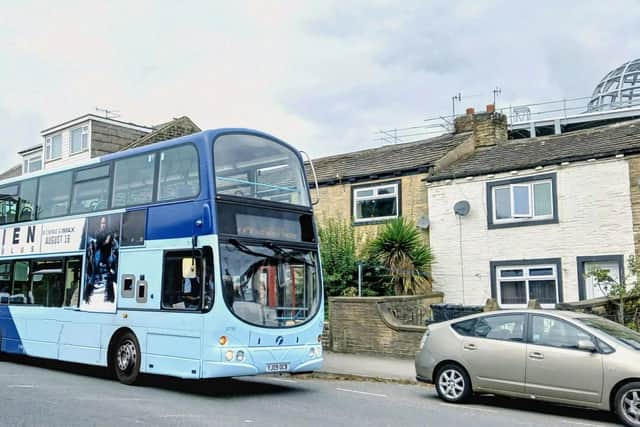

Findings from the Commuter Census 2025 show that only 8.1 percent of respondents now travel to work by bus, including electric buses, down from 9.9 percent the previous year. The survey, carried out by Mobilityways, gathered responses from 8,789 commuters across the country.
The data indicates a 19 percent drop in bus commuting since 2024, following the increase in the national bus fare cap from £2 to £3 in January 2025. This change has effectively reversed much of the growth seen a year earlier, when the £2 cap led to a 17 percent rise in bus use between 2023 and 2024.
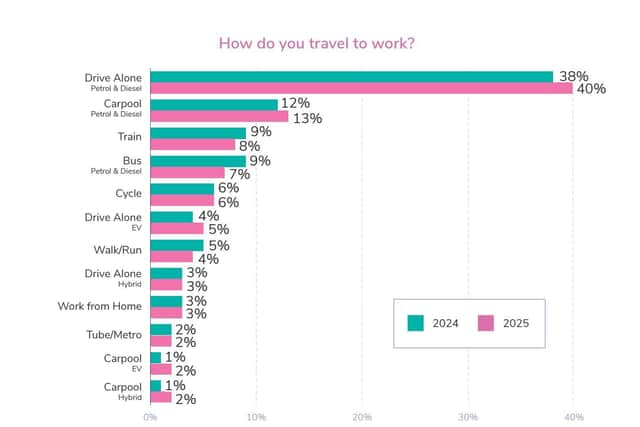
Mobilityways said the figures demonstrate how sensitive commuting choices are to pricing. The survey suggests that the fare rise has coincided with a renewed increase in driving alone, which has grown for the first time since 2022.
Government statistics appear to reflect a similar pattern. Department for Transport figures from the first half of 2025 show a decline in bus patronage following the fare increase, even though the cap remains in place.
The fall in bus use raises concerns in the context of the UK’s net zero targets, where public transport plays a central role in cutting commuting-related emissions. The survey found that nearly a third of respondents would consider switching to the bus from their current mode of travel, though practical barriers persist.
Reliability, service frequency and direct routes were cited by 16 percent of respondents as changes that would make public transport more appealing. A further 9 percent reported that no public transport option was available to them.
Julie Furnell, managing director of Mobilityways, said the results reflect patterns the company sees in its work with employers. She said commuter behaviour can change quickly when costs remain low, pointing to the previous year’s fare cap as evidence. She added that even small increases in price can prompt a return to less sustainable travel choices.
The findings highlight the role of pricing and service quality in shaping commuting habits. Mobilityways said coordinated action from policymakers, employers, local authorities and transport providers will be required if public transport is to remain a realistic alternative to private car use.
The full Commuter Census 2025 report includes detailed analysis of commuting modes, work travel patterns and emissions linked to daily travel.