
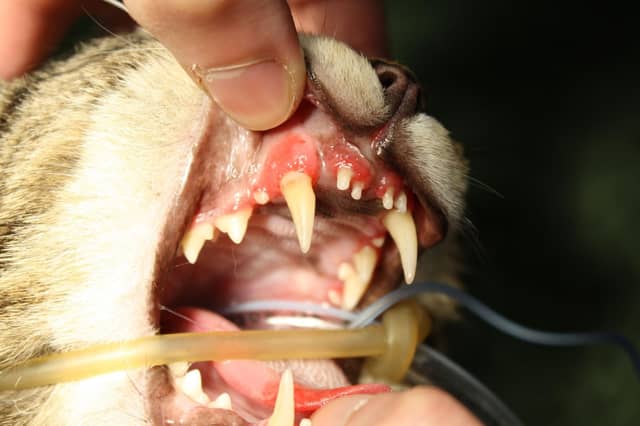

Dr Tom Lonsdale said up to one-in-25 animals are dying annually from eating “entirely unnatural substances” like kibble.
Man-made foods, including “terrible” treats and titbits, can cause gum disease which, if left untreated, can lead to terminal organ failure, he said.
Wolves and wild cats rarely succumb to oral infections because they gnaw on raw, meaty bones that clean their teeth and massage the gums.
But dry and soft packaged foods do not prevent the build-up of dental tartar, which can lead to tooth decay and fatal poisoning, Dr Lonsdale warned.
The symptoms – including bad breath and sore gums – can be difficult to spot, meaning few owners seek medical intervention in time, he added.
Dr Lonsdale, a member of the Royal College of Veterinary Surgeons (RCVS), treated thousands of cats and dogs for kibble-related gum disease over the course of a 50-year career.
Writing in The European magazine, he estimated that around one million dogs and cats are dying prematurely in the UK alone because of their unhealthy diet.
The pet food market is growing at such a rate that the number of deaths could rise to one-in-20 worldwide in 10 years, he added.
He wrote: “I have been researching the link between diet and terminal disease in the animal kingdom since the early ’90s and can say, with reasonable certainty, that dry pet food contributes to the deaths of one-in-25 cats and dogs worldwide at the minimum.
“In the UK alone, that means that a million or more of those animals may have died prematurely as an indirect result of their owners’ love and affection.
“At the rate the global pet food market is growing, that number is likely to rise – to perhaps one-in-20 – within a decade.
“By my reckoning, the overwhelming majority of those deaths are entirely preventable.
“In the wild, carnivores – the wolves and wild cats from which our domesticated pets derive – eat a diet of predominantly raw meaty bones. The action of gnawing and crunching bones keeps their teeth clean and their gums in optimum condition.
“Animals that cannot hunt or which are low down in the pack’s pecking order soon develop gum disease and tartar-encrusted teeth. Illness inevitably spreads to other organs and, in most cases, leads to premature death.
“Despite their domestication, pets are still subject to the same laws of nature, and those which are not fed a wild-type diet of raw meaty bones will almost certainly succumb to the same fate.”
Dr Lonsdale said he uncovered what appears to be an evolutionary link between processed foods and terminal disease among domesticated pets in the early 1990s when he published his ‘Cybernetic Hypothesis’.
His theory, published in the Journal of Veterinary Dentistry, and corroborated by years of anecdotal clinical evidence, suggests that raw bones are vital for keeping all carnivores healthy.
The action of gnawing and crunching keeps their teeth clean and their gums in “optimum condition”.
Without this natural diet, animals’ teeth become encrusted with tartar and decay, which leads to inflamed gums, oral infections, and organ failure once bacteria spreads to the heart, liver, and kidneys.
Pet toothbrushes, hard chews, or gnawing on a table leg “simply don’t work” in the same way.
He wrote: “Wild animals that cannot hunt or which are too low down in the pack’s pecking order to get the scraps, soon develop tooth decay and gum disease. Illness inevitably spreads to other organs and, in most cases, premature death.
“It’s a harsh reminder of natural selection in action: weaker animals must make way for stronger, fitter, specimens.
“Most pets suffer serious gum disease by the time they are three years old. Despite their domestication, pets are still subject to the same laws of nature, and those which are not fed a wild-type diet of raw meaty bones will almost certainly succumb to the same fate.”
Dr Lonsdale, the author of Multi-Billion-Dollar Pet Food Fraud: Hiding in Plain Sight, is now calling on manufacturers to add a warning to their packaging.
“It’s impossible to say with precise scientific accuracy how many cats and dogs die from eating kibble.
“But of the thousands of animals that I treated for periodontal disease in the course of my career, the majority that did not yet require surgery made a full recovery thanks to a prescription of raw, meaty bones.
“Now is the time for manufacturers to make it clear on packaging that processed food is not and never will be a healthy replacement of raw, meaty bones.”
Story by Anthony Harvison (Belters News/NewsX)
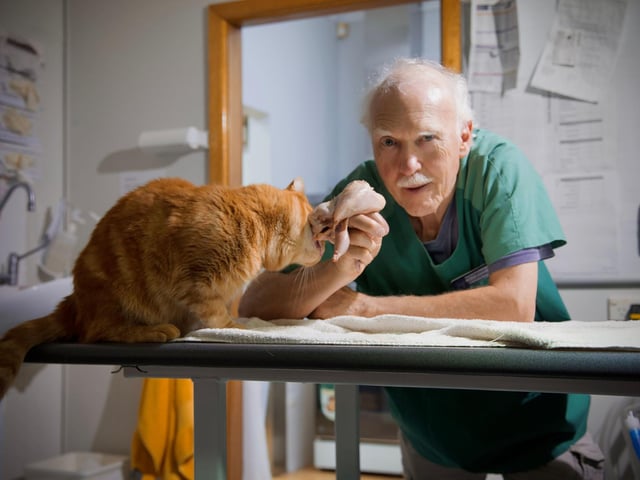
1. Contributed
Dr Lonsdale, a member of the Royal College of Veterinary Surgeons (RCVS), says pets need a diet of raw, meaty bones as they clean their teeth and massage the gums. Photo: Submitted
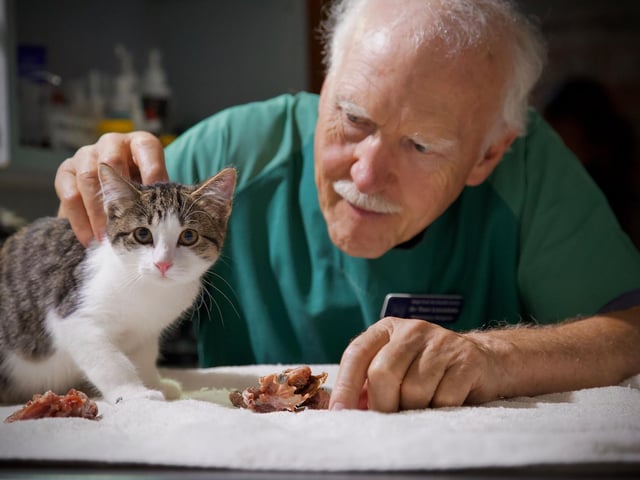
2. Contributed
Dr Lonsdale has treated thousands of cats and dogs for kibble-related gum disease over the course of a 50-year career. Photo: Submitted
3. Contributed
Pet toothbrushes, hard chews, or gnawing on a table leg don't provide the same teeth cleaning and gum massaging effect as raw, meaty bones, says Dr Lonsdale. Photo: Submitted
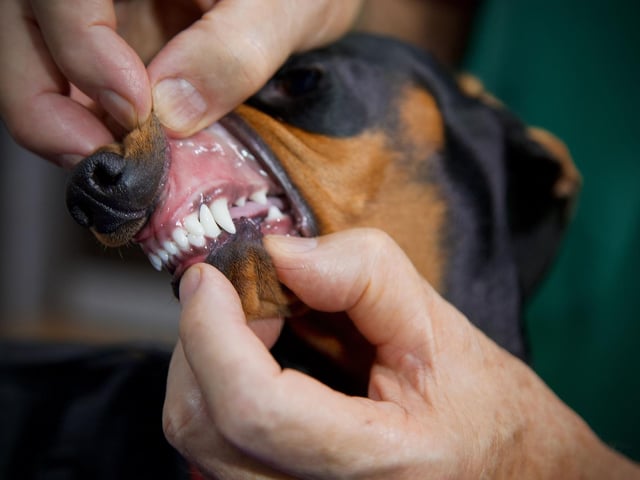
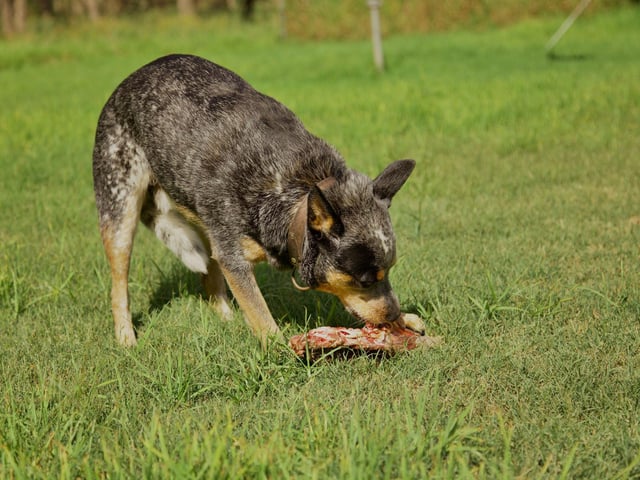
4. Contributed
Up to one-in-25 pet dogs and cats in the UK are dying annually from eating man-made foods, according to vet Dr Tom Lonsdale. Photo: Submitted