
Is grass seed fatal to dogs? Vets warn of dangers after Cocker Spaniel Millie left struggling to breathe
Vets are warning dog owners to stay vigilant this summer after a simple grass seed left a young spaniel seriously ill and struggling to breathe.
Two-year-old Cocker Spaniel Millie inhaled the sharp seed while playing in long grass, later developing a hacking cough that wouldn’t go away.
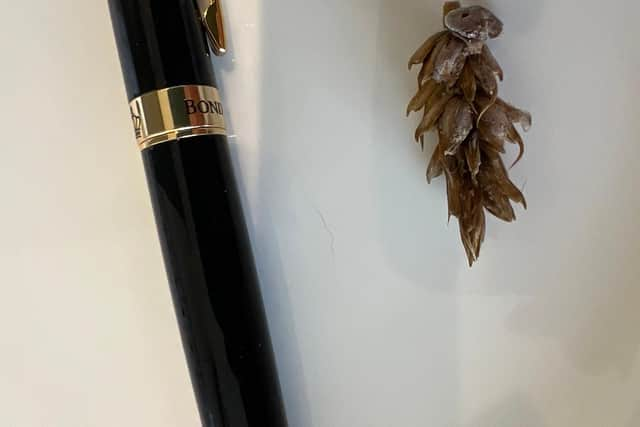

Her owners, Chris and Ed Gaze from near Norwich, took her to Taverham Veterinary Hospital, part of Pet Health Club, where scans and an endoscopy helped locate and remove the offending grass awn.
Now other pet parents are being advised to take care on walks during the summer when barbed grass awns can be a serious hazard.
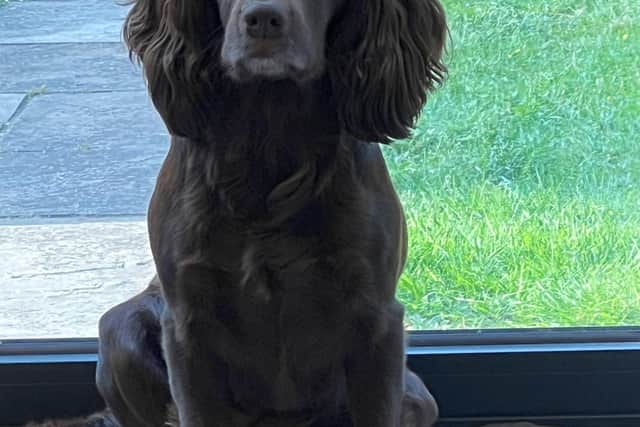
“We have a big garden Millie plays in and, as we’re on a farm, we also walk her and our other dogs in the fields,” said Chris, who lives near Norwich.
“We didn’t dream there could be anything that could cause a problem, but she developed a cough that seemed worse in the mornings. There was some phlegm, and she was also a bit breathless, so we thought we really should get it seen to and took her to our local vets.”
Initial checks didn’t find anything obvious. When the cough persisted after a course of medication, they decided to take her to Taverham Vets for further investigation.
A CT scan of Millie’s head, neck and chest revealed a “foreign body”.
Under general anaesthetic, a scope showed a large amount of pus in her airways, which was suctioned out following removal of the awn. Millie was sent home on antibiotics and made a quick recovery.
“When we first took Millie in, we didn’t realise the enormity of the situation and we’re so grateful to everyone at Taverham,” said Ed.
“We were very fortunate they found the grass awn. It could have been even more serious if it wasn’t spotted and removed, which took quite some effort.
“The cough subsided a couple of days after we got her home and she’s back to being a happy little soul. We’ll definitely be extra careful in the future.”
Barbed grass awns are a seasonal risk to dogs, especially in summer.
They can attach to fur or enter the body through ears, paws or nose, causing infections, abscesses and sometimes severe respiratory problems if inhaled.
“We would recommend checking your dog carefully after walks,” said Holly McKinley, senior vet at Pet Health Club. “You should pay particular attention to the paws and ears, especially in long-haired breeds.
“And you should contact your vet if you think your dog may have a problem with grass awns.”
Taverham is part of Pet Health Club, a preventative healthcare service and nationwide network of veterinary practices. Members get unlimited consultations and are covered for routine treatments, including vaccinations, health checks, and flea, worm, and parasite treatments.