
Is your pet at risk? Vet explains why thousands are missing vital vaccinations
Across the UK, many pets are missing core vaccinations. Whilst most owners see preventive healthcare as essential, as many as 42% of dogs and 72% of cats are missing their annual jabs.
The cost of living has led to delayed vet appointments, treatments scheduled further apart, and missed visits altogether.
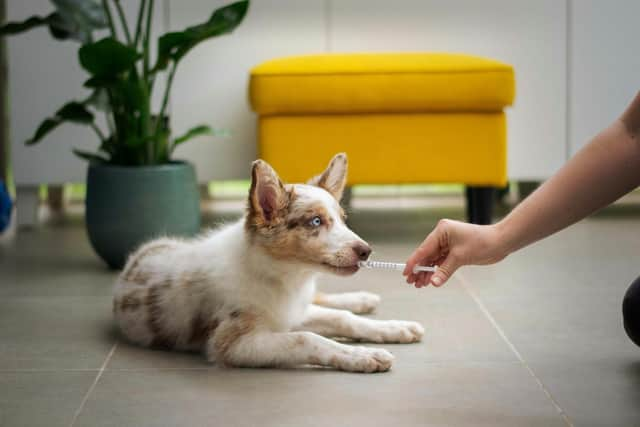

Dr Aimee Warner, resident veterinarian at Waggel, explains: “Vaccinations are a cornerstone of preventive care. They protect pets from painful and often fatal diseases, yet there are worrying gaps. Many health conditions are entirely preventable, so missing routine jabs can have lifelong consequences.”
Dr Warner identifies five risks of skipping annual vaccinations:

Increased disease exposure
Pets without up-to-date vaccines are vulnerable to parvovirus, feline leukaemia, and other serious illnesses.
Higher treatment costs later
Preventing disease is far more affordable than hospitalisation or long-term medication.
Compromised herd protection
Falling vaccination rates reduce community-wide protection for pets.
Welfare impact
Illnesses like parvovirus can be extremely painful and often fatal.
Travel restrictions
Pets without vaccination records may be refused boarding or travel.
To manage costs and still provide the care your pet needs, keep these in mind:
- Seek early guidance: If your finances are tight, consult with your veterinarian before missing an appointment.
- Prioritise core vaccines: Your vet can explain which jabs are essential for your pet’s lifestyle and which can be safely timed later.
- Ask about flexible plans: Many practices now offer monthly wellness schemes that smooth the cost of vaccinations and check-ups.
- Plan routine visits: Ask your vet about health plans that spread vaccination costs over the year.
- Book reminders: Many practices offer text or email alerts to help owners stay on schedule.
- Pair treatments: Combine annual vaccinations with check-ups to save time and cost.
“Preventive healthcare gives pets the best chance of a long and healthy life. Vaccinations remain one of the simplest, most effective tools we have, and keeping on top of them protects not just your own pet but the wider community,” concludes Dr Warner.