
Strait of Hormuz: Millennium Challenge 2002 - the simulation that predicts how conflict between Iran and the US could go
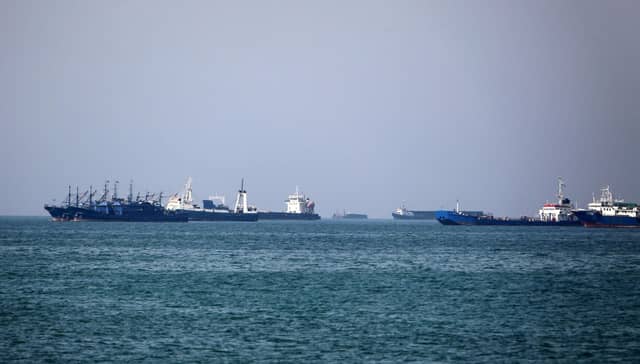

With the risk of escalated conflict in Iran, what has history told us about potential conflict in the area.
One of the world’s most important shipping routes, The Strait of Hormuz, is at risk of closure. This comes after the Iranian parliament backed a measure to close the route in response to the US airstrikes over the weekend.
The route is responsible for a fifth of the world’s oil trade, and so its closure could have a disastrous impact on the global economy.
US Secretary of State Marco Rubio has called on China to prevent Iran from closing the Strait of Hormuz, but should the US end up going to war in the region themselves, how would they fare?
The best guess can be taken from the largest war game to be produced in Pentagon history, the Millennium Challenge 2002, which cost $250m. This war game pitted a red team, lead by retired Marine. Lt. Gen. Paul Van Riper, against a blue team, that represented the US army.

Quickly into the beginning of the game, the red team took advantage of the strategic positioning of the Strait of Hormuz, waiting for the US Navy to pass through, and within minutes they beat the superior blue team, sinking 19 ships.
With a focus on asymmetrical warfare tactics, the red team was able to bypass the fact that the US military was technologically superior, and achieve a victory.
While simulated, had this been a real life, 20,000 US sailors and marines could have died. This was not the desired result, especially after the Pentagon had poured a quarter of a million dollars, two years and 13,500 participants into its development. In response, the game was reset and rigged to achieve the desired outcome.
In a 20-page report that contradicted the official report on the Millennium Challenge 2002, Van Riper criticized the game as being rigged. The official document was over 750 pages long and described the war game as a “major milestone” and considered Van Riper's victory over 19 boats as “moderately unsuccessful.”
In rigging the game, the red team faced restrictions imposed that limited their tactics. This included a restriction that meant that they could not initiate combat. Van Riper wrote that the results of the game were because the US army “did not operate against a thinking and adaptive enemy that could win.”
Whether or not this war game from 2002 can accurately demonstrate how conflict may occur in the area today, it does give insight to what we may be able to expect from each side if the conflict does escalate.