
Should the drink drive limit be lowered for England and Wales?
The government has announced plans to reduce the legal drink-drive limit in England and Wales. This move is part of a broader road safety strategy aimed at reducing fatalities and serious injuries on UK roads.
Currently, the legal alcohol limit for drivers in England and Wales is 35 micrograms of alcohol per 100 millilitres of breath, or 80 milligrams per 100 millilitres of blood.
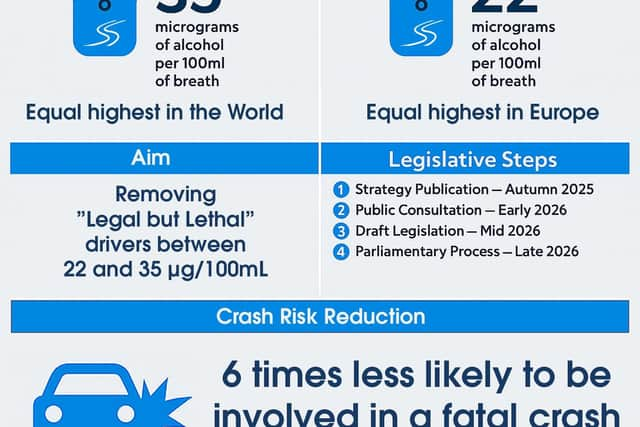

This is the highest in Europe. Labour plans to reduce the limit to 22 micrograms and 50 milligrams respectively – matching the threshold in Scotland where stricter laws were introduced in 2014.
The proposal is backed by research showing that even small amounts of alcohol significantly increase crash risk. A key study found that drivers with a breath alcohol level of 22 micrograms are six times less likely to be involved in a fatal crash than those at the current legal limit.
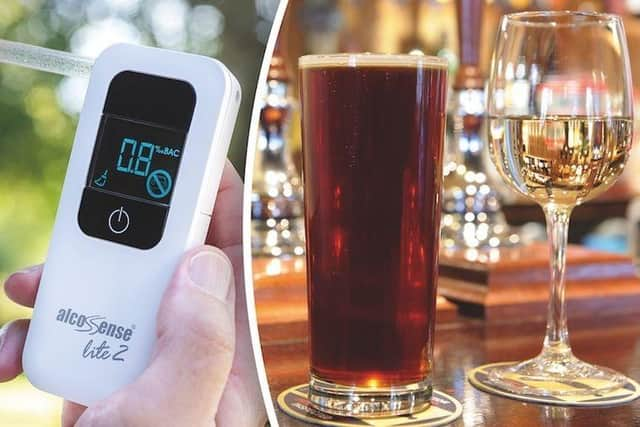
“England remains an outlier with the highest legal drink-drive limit in the developed world,” says Hunter Abbott, managing director of AlcoSense Laboratories, a leading personal breathalyser firm.
“This means we have drivers who are legal but lethal on our roads. The evidence is clear - even modest reductions in blood alcohol concentration significantly lower crash risk.
“Bringing our limit closer to a level where intoxication is meaningfully reduced should be a no-brainer. It’s a simple, effective step toward saving lives and would bring England and Wales in line with international standards.
“This is a data-driven, safety-focused initiative that would reduce alcohol-related crashes and deaths, whilst also encouraging more cautious behaviour among drivers”.
Labour will publish its road safety strategy, including the proposed limit change, in Autumn this year, with public consultation expected in late 2025 and early 2026.