
Velcro dogs 2025: Here are dog expert tips for needy dogs that thrive on human company
Dogs are naturally social, enjoying and thriving on human company. In recent years there’s been a rise in owners describing their dogs as ‘velcro dogs’, the term used to explain a dog that highly enjoys being in the company of their people.
Velcro dogs often follow their owner around like a shadow, seeking company, attention and affection.
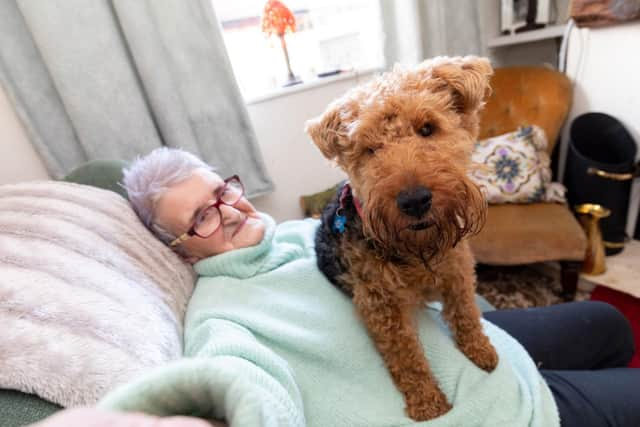

PDSA Vet Nurse Gemma Renwick says: “Whilst some people may love their dog behaving this way, to keep them company, these dogs may feel so dependent on their owner, that they might suffer psychologically when left alone due to their over-attachment.
“It’s important to teach your dog to be comfortable being left by themselves and not to rely on your attention all of the time. If your dog isn’t happy being on their own occasionally, they could be at risk of separation anxiety.”
Top tips to help a needy dog learn to love time alone:
- Teach independence - Help your dog cope on their own, by introducing training. Begin with time alone sessions, where your dog has a short time on their own while you’re in another room. When your dog is calm and quiet return to the room without greeting them but reward your dog once they’re settled by offering them a healthy treat. Gradually increase the amount of time they are left alone.
- Provide everything they need to be happy - Before you leave your dog alone, you should make sure they have:
- Keep calm - When you leave and return home, be sure to remain calm and relaxed. You don’t want to make a big deal out of when you leave and return, as that can reinforce your dog's anxiety. If you keep everything on a neutral level this will help reduce the impact of your actions. Shouting at or being angry with your dog when they aren’t behaving the way you want them to can make things a lot worse. Instead, keep emotions steady and reward them when they are calm and relaxed.
Gemma adds: “Changing the way your dog feels about being left alone can be done using a technique known as 'desensitisation and counterconditioning'. In simple terms, this means gradually getting your dog used to being alone (desensitisation) and then also getting your dog to think of it as a positive thing (counterconditioning).
“It’s commonly thought that treats, toys and chews will help a dog feel less anxious when they are left alone. However, this will only help in a small number of cases, such as if your dog is bored or hungry, and even then, the toy will only last a limited amount of time. Most dogs in distress won’t eat or be interested in toys. The best way to help a distressed dog is to firstly arrange an appointment with your vet, who can assess your pet and recommend a course of action, or refer you to an accredited pet behaviourist, if necessary.
“It's important to remember that every dog is different, so the amount of time they can be left alone will vary. Younger, older or unwell dogs should not be left for too long at all, while a healthy adult dog should be able to cope for longer periods of time, but they shouldn’t be left alone for more than four hours at a time.
“If you need to be away for longer than four hours, consider asking a friend, neighbour, or professional pet sitter or dog walker to check in on them.
“If you are having trouble helping your dog to be comfortable with time alone, it’s always best to speak to your vet or an accredited behaviourist to get some tailored advice for your dog. Remember each dog is different, and what works for one dog, might not work in the same way for another.”
For more advice on preventing separation anxiety, read PDSA’s guide: www.pdsa.org.uk/preventing-separation-anxiety