
Your dog’s bowl is DIRTIER than your toilet expert warns - here's how to clean it
A dog food specialist has warned that most pet bowls harbour more harmful bacteria than the average toilet seat.
Ella Sprengeman, owner of Dogwooff, says that laboratory tests indicate bacteria levels in dog bowls remain high, but the growing awareness of household hygiene due partly to the increase in health concerns heralds greater attention to pet feeding practices.
Hygiene analyses reveal that unwashed dog bowls can accumulate harmful bacteria and the total contamination for bowls left uncleaned is much higher than toilet seats, with a rate of bacterial growth greater than many other household surfaces.
Wash bowls after every meal: "Dog bowls need washing after every meal with hot, soapy water," Sprengeman said. "Most pet owners only rinse their dog's bowl or leave it until the next day, allowing bacteria to multiply rapidly."
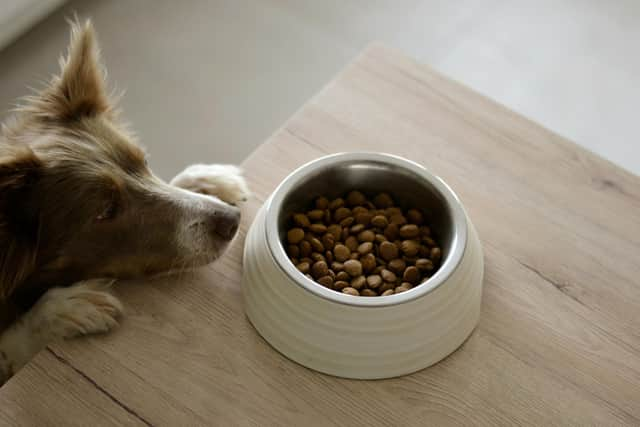

Beware of raw food risks: "If you feed your dog raw food, the risk is much higher," she explained. "Raw meat can contain harmful bacteria that would normally be killed during cooking. These bacteria can transfer from the bowl to your hands and then to other surfaces in your home."
Keep pet cleaning tools separate: "Never clean your dog's bowl with the same sponge you use for your family's dishes," Sprengeman warned. "Keep a separate sponge just for pet items to prevent cross-contamination."
Choose bowls you can sanitise: "Plastic bowls develop tiny scratches over time where bacteria can hide," she pointed out. "Stainless steel or ceramic bowls are much easier to clean properly and harbour fewer germs."
Kill hidden bacteria weekly: "Once a week, sanitise your pet's bowl in a diluted bleach solution or run it through the dishwasher on a hot cycle," Sprengeman advised. "This kills bacteria that regular washing might miss."
Public Health England guidance indicates that raw pet food can be contaminated with harmful bacteria such as Salmonella, Campylobacter, Listeria and E. coli. The spread of these pathogens from pet food to humans contributes to this increase, alongside the burden of poor hygiene practices being passed to household members.
UK hygiene practices for pet bowls continue to be concerning because of lack of awareness and more and more people need to consider their pet bowl cleaning routine who would not typically need to. Pet bowl bacteria can spread to humans because of improper cleaning routines.
The Food Standards Agency advises that the risk of cross-contamination is much higher with raw pet food compared to other pet food. This is because bacteria such as E.coli or Salmonella could be spread around through contact with the pet food or the pet.
Young children are particularly at risk as their immune systems are still developing, and they often put their hands in their mouths after touching pets or their belongings. Adults with weakened immune systems should also take extra precautions when handling pet feeding equipment.
Sprengeman emphasised that proper bowl hygiene is not just about pet health. "Many people don't realise that bacteria from their dog's bowl can cause illness in humans too. Taking a few minutes to clean properly after each meal protects both your pet and your family."