
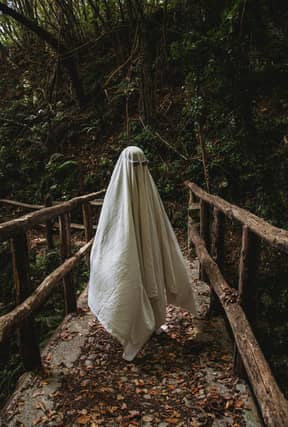

Whether you’re wandering Whitby’s gothic steps or tackling the windswept trails of Dartmoor, walking shoe experts FitFlop have researched 10 of the most haunting trails to brave around the UK.
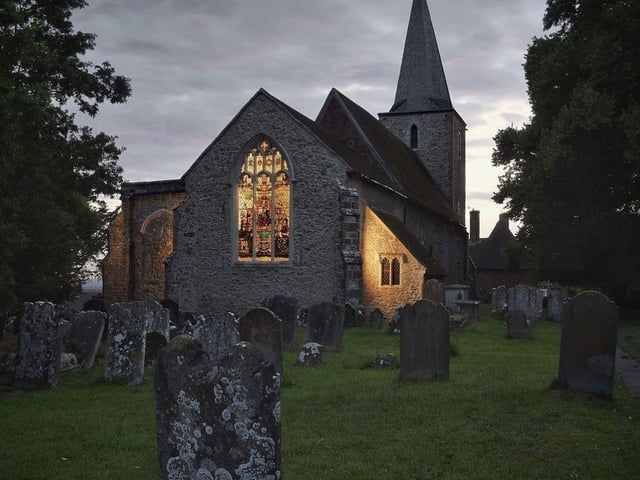
1.Pluckley, Kent - Britain’s Most Haunted Village
Why it’s spooky: Nestled in the Kent countryside, Pluckley is in the Guinness Book of Records as the most haunted village in Britain, with more than a dozen ghostly legends tied to its lanes and landmarks.
What to do: A gentle self-guided stroll takes in St Nicholas’ Church, where the “Red Lady” is said to roam; Fright Corner, reputed haunt of a highwayman; and the old Black Horse Inn, known for spectral regulars. It’s an atmospheric walk that’s free to explore — though you may want sturdy shoes and a torch if you dare it after dusk.
2. Whitby, North Yorkshire - Dracula’s Gothic Playground
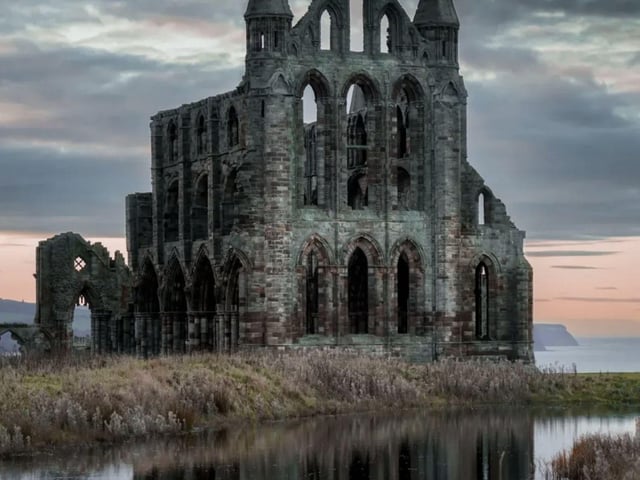
Why it’s spooky: Bram Stoker found inspiration here - the ruined abbey, cliff graves and shipwreck stories feed the town’s gothic reputation. Great for atmospheric dusk walks.
What to do: Climb the famous 199 steps to St Mary’s churchyard and gaze up at the ruined Whitby Abbey, which inspired Bram Stoker’s Dracula. A harbour walk and cliff top stroll round off this spine-tingling route, where sea mist, shipwreck tales and windswept gravestones conjure a truly gothic scene. With Google searches for Whitby Abbey hitting 49,500 last October, it’s a popular spot for Halloween-inspired visits.
3. Pendle Hill, Lancashire - In The Witches Footsteps
Why it’s spooky: Pendle Hill’s wild moorland is steeped in the dark history of the 1612 witch trials that led to women being hanged for witchcraft!
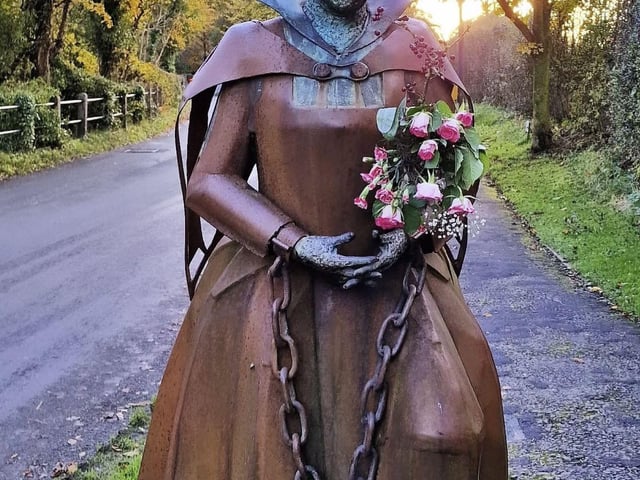
What to do: Today, you can follow sections of the Pendle Witches Way, passing villages where the accused once lived and the bleak hills that sealed their fate. It’s a hauntingly beautiful walk where legend lingers in the landscape. Alternatively, wander up to Black Moss Reservoirs and Aitken Wood to see the wonderfully crafted sculpture trail. Interest in Pendle Hill has risen 22% in the past year, according to Google searches, and a visit here is perfect for those interested in the occult.
4. Greyfriars Kirkyard, Edinburgh - Restless City Spirits
Why it’s spooky: Greyfriars and the Old Town’s closes have long been synonymous with eerie stories, including reported ‘attacks’ by the Mackenzie Poltergeist, said to haunt the tomb of George Mackenzie. The attacks apparently escalated after a homeless man disturbed Mackenzie's tomb in 1998.
What to do: Walk from Edinburgh Castle down the Royal Mile with a detour into Greyfriars Kirkyard, notorious for eerie happenings linked to the infamous “Mackenzie Poltergeist” - a spirit believed to haunt the tomb of George Mackenzie. By day, it’s an atmospheric wander among tilted stones and gothic tombs, but by night, the kirkyard and nearby closes are said to come alive with ghostly presences. In fact, Google searches for Greyfriers have increased 83% in the past year with ghoul-hunters flocking to the spot in search of an apparition.
5. Bodmin Moor, Cornwall - Smugglers and Spectral Whispers
Why it’s spooky: Bodmin Moor offers windswept walking trails that feel untouched and otherworldly. Home to the infamous Jamaica Inn, which was once a haunt of smugglers and still linked to ghostly sightings, although the Inn’s fame stems mainly from Daphne du Maurier’s best-selling fictional novel “Jamaica Inn” detailing a criminal innkeeper’s murderous role in shipwrecking and smuggling.
What to do: Start at the infamous Jamaica Inn to soak up smuggler tales and set the scene. As you stride across the dramatic moor, the silence and sudden mists make it easy to imagine shadowy figures moving among the tors. Just a word of warning; watch out for the legendary ‘Beast of Bodmin Moor’ - a panther-like large, black cat with glowing eyes!
6. Glastonbury Tor, Somerset - Myths And Legends
Why it’s spooky: Rising above the Somerset Levels, Glastonbury Tor is a striking hill topped by St Michael's Church, a Grade I listed building. Supernatural-looking, it is steeped in myth and folklore - legend has it that King Arthur visited and the Holy Grail lies here.
What to do: A short but steep climb to the Tor from the town will reward you with sweeping 360 views of the landscape as well as stories of fairy folk and sacred energies - will you find the hidden cave that can transport you to the realm of Annwn to meet Gwyn ab Nudd, the lord of the Celtic underworld? The Tor is a perfect destination for moody sunset walks if you can time it just right! Fairy-lovers should also add a detour to the sacred Chalice Well Gardens for an even more mystical atmosphere.
7. Wapping and Execution Dock, London - Pirates On The Thames
Why it’s spooky: Execution Dock was once the grisly stage for hanging pirates. Once dead, their bodies were taken down, fixed to the riverbank, and washed by three tides before being removed. The riverside alleys are also steeped in grim maritime legend and reported hauntings of condemned souls.
What to do: A riverside walk east from Tower Bridge to Wapping leads you past Execution Dock where a noose still hangs. The Thames Path winds between narrow alleys, old warehouses and historic pubs - including the nautical-themed Captain Kidd pub, named after William Kidd who hanged here in 1701. The layout of the pub is designed to be similar to a ship’s hulk and has a terrace overlooking the river, so you can keep your eyes peeled for any intruders approaching!
8. York - Haunted Snickelways and Medieval Streets
Why it’s spooky: York is often called the UK’s most haunted city due to its "bloodstained history," featuring stories of gore, torture, and reports of over 500 hauntings within the ancient city walls.
What to do: This walk packs a lot in a compact area. Amble the Shambles and hidden narrow “snickelways” between the buildings, making sure to pass Lund’s Court which was, according to urban legend, once known as ‘Mad Alice Lane’ after Alice Smith murdered her husband there.7 Close by, York Theatre Royal is said to be haunted by the ghost of the Grey Lady, and the Treasurer’s House haunted by a legion of Roman soldiers. Finish off by circling the medieval city walls for really atmospheric views.
9. Dartmoor, Devon - The Hounds Dark Domain
Why it’s spooky: Bleak, beautiful Dartmoor has long been tied to supernatural lore and inspired Sir Arthur Conan Doyle’s ‘The Hound of the Baskervilles’, a story of a supernatural hound that haunts Dartmoor.
What to do: Pick a public footpath or short circular walk on Dartmoor to enjoy the wild landscape. Buckfastleigh or Postbridge reveal eerie mires, ancient crosses and folklore of phantom hounds, spectral horsemen and cursed tombs. The moorland walking routes vary from easy to rugged, so be sure to check the route accessibility before you set off. A breathtaking walk on a misty day.
10. Beachy Head, East Sussex - The Lingering Lightkeeper
Why it’s spooky: Home to one of England’s most iconic lighthouses which is said to be haunted by the spirit of a former lighthouse keeper who died under mysterious circumstances. His ghost is said to still walk the cliffs, sometimes appearing inside the lighthouse itself.
What to do: Follow the South Downs Way along Beachy Head’s dramatic cliffs and sweeping sea views for an unforgettable (and unsettling) coastal walk. Despite the harsher coastal weather in October, Beachy Head is still Googled 33,100 times this month, however be aware of strong wind weather warnings if you do decide to visit. Alternatively, head inland to East Dean where The Headless Horseman is said to roam, or to Friston, where The Phantom Coach of Friston where a ghostly horse-drawn carriage complete with a coachman reportedly races along the old roads before suddenly vanishing into thin air.
1. Contributed
Pluckley, Kent Photo: Submitted
2. Contributed
Whitby Abbey, North Yorkshire Photo: Submitted
3. Contributed
Pendle Hill, Lancashire Photo: Submitted
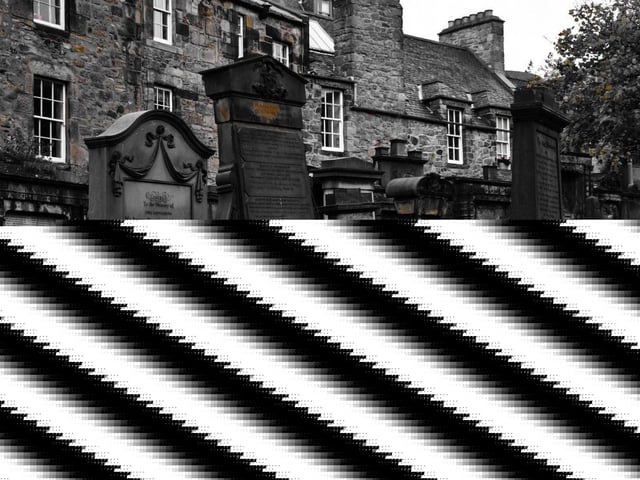
4. Contributed
Greyfriars Kirkyard Photo: Submitted