
A Guide to the Belize Barrier Reef


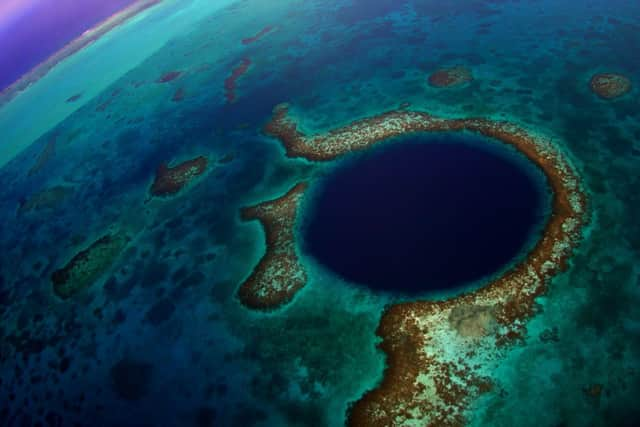
Belize is a haven for nature lovers with a wealth of diverse and unique wildlife. Having preserved the natural beauty of its barrier reef for generations, the Belize Barrier Reef is the largest barrier reef in the Northern and Western hemispheres and has been named a UNESCO World Heritage Site.
From schools of fish to turtles, stingrays, and nurse sharks, there are ample opportunities to explore while also protecting endangered flora and fauna. The reef wraps around the full 185-mile stretch of Belize and forms a lagoon along the coastline, which not only protects the shore from large waves but also creates the perfect habitat for an array of vibrant marine life.
Belize is committed to protecting 30 percent of its marine areas, more than 10,000 square kilometres. There are seven protected areas across the reef which are a significant habitat for threatened species, such as marine turtles, manatees, and the American marine crocodile.
The protected areas include Bacalar Chico National Park and Marine Reserve, Blue Hole Natural Monument, Glover’s Reef Marine Reserve, and Sapodilla Cayes Marine Reserve, to name a few. Avid divers and snorkellers will see a fantastic array of marine life under the water, so will visitors from a boat, including sharks, rays, dolphins, turtles and manatees.
Here are some of the ways Belize is protecting its precious reef:
Fragments of Hope
Fragments of Hope is a community-based organisation, offering visitors to Laughing Bird Caye, the opportunity to become immersed in its efforts by providing tours to a private nursery via the Viva Verde route. Its focus is the restoration of coral reef habitats and advocacy for the sustainable management of associated habitats. The replenishment sites have created over 23 nurseries and over 100,000 corals outplanted in more than 10 different locations throughout Belize. At Laughing Bird Caye National Park, coral cover has increased by over 50%. Travellers can also become involved and visit the private nursery by kayak, and all net profits go back into the restoration work.
Blue Bonds
Belize is a global leader in marine conservation and most notably, their Blue Bonds agreement has supported this. The Blue Bonds agreement has had a transformative effect on Belize’s economy and the wider environment and highlights Belize's dedication to protecting its precious marine life.
As part of the transaction, Belize is committed to nature positive initiatives and will spend $4 million a year on marine conservation until 2041. This will include placing 30% of its ocean, including parts of the Mesoamerican Reef, under protection by 2026 - doubling marine protection areas by 2026.
Reef-safe products
Travel kindly in Belize by using a reef-safe product which protects the reef. In order to protect its livelihood, it is vital that visitors consider using a reef-safe sun cream as the chemicals in normal creams kill developing coral, increase bleaching, and damage developing polyps. Consider using a coral-safe sunscreen made locally in Belize, such as Body Belize sun cream.
Sustainable catch of the day
As a collaborative effort with several organizations, Oceana Belize launched the Fish Right Eat Right (FRER) certification program in 2016 to discourage illegal fishing and promote sustainability and responsible food sourcing and consumption in Belize. This initiative helps to protect the beloved Belize Barrier Reef through sustainable fishing, which restores fish stocks and builds the marine ecosystem. The FRER program has trained 53 fisherfolks and 48 restauranteurs via online training packages on sustainable fishing methods, fisheries regulations, fish handling, and several others.
The best spots to discover Belize’s Barrier Reef:
The Witconcrete Wreck
A spot for avid divers and snorkelers is The Witconcrete Wreck, where weathered ruins of a concrete ship which sank off the coast has now become a top dive site in Belize. Over time this wreck has created a natural, protected habitat for Belize’s vivid marine life, making it a paradise for divers and explorers.
Silk Caye and Laughing Bird Caye
Discover the underwater wonders of Belize by snorkelling at the Silk Cayes. These enchanting small islands offer a magical experience. Join a day trip that includes a complimentary BBQ and fall in love with Belize's stunning marine life.
Laughing Bird Caye National Park sits on an ancient faro reef shelf formation, which contributes to the abundance and variety of marine life and diverse coral habitats. Due to its rich environment, protected status and no-take zones, it has allowed resident fish populations to flourish, making Laughing Bird Caye a snorkelling and diving paradise.
Where to stay:
Itz’ana Belize Resort & Residences offers deluxe rooms from £188 per night for two people in June. To book, please visit: itzanabelize.com
Getting to Belize:
Although there are currently no direct flights from the UK, you can fly from London (Gatwick, Heathrow, City) via US hubs such as Atlanta, Newark, Texas, and Miami, then onto Belize City.
Return flights in May (LHR – BZE, via DFW Dallas Fort Worth International) start from £816 with American Airlines. To book, please visit: americanairlines.co.uk
For more information about Belize, please visit travelbelize.org