
Exploring Europe by boat: A unique way to see the Continent
Traveling through Europe conjures images of high-speed trains, winding road trips, and historic cities—but one of the most underrated and unforgettable ways to explore the continent is by boat. With its vast network of coastlines, rivers, canals, and lakes, Europe is made for slow, scenic travel by water.
Whether you're navigating the sunny shores of the Mediterranean, cruising along the Rhine, or gliding through the canals of France, boating offers a perspective few travelers ever get to experience. Here’s how and why exploring Europe by boat is a uniquely rewarding adventure.
A Different View of Famous Places
Many of Europe’s iconic cities were built with water in mind. Venice, Amsterdam, Stockholm, and Hamburg are all shaped—literally and culturally—by the waterways that run through them. Approaching these cities from the water isn’t just scenic; it connects you to their original lifeblood.
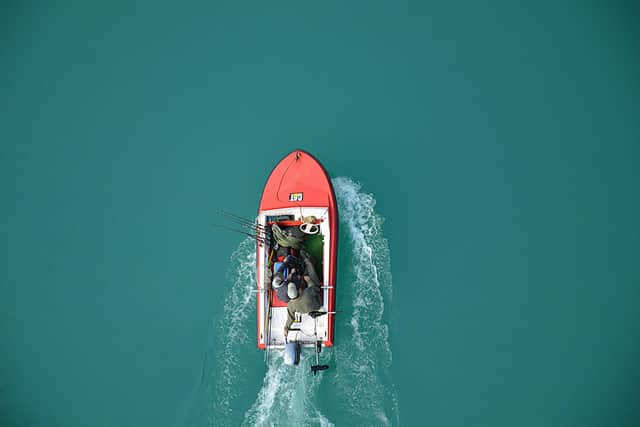

Imagine sailing into Venice at sunrise, docking along the edge of a centuries-old canal. Or gliding past vineyards and medieval castles on the Moselle River, where each bend reveals a new postcard-perfect village. You experience familiar places in new ways—slower, quieter, and more connected to the landscape.
Inland Waterways: Europe’s Secret Travel Network
Europe boasts thousands of kilometers of navigable inland waterways, connecting countries and regions in a way that few travelers realize. France alone has over 8,000 kilometers of rivers and canals, many of which are perfect for leisurely cruising.
The Canal du Midi in southern France is a UNESCO World Heritage Site and one of the most beautiful boating routes in the world. It winds through ancient towns, rolling vineyards, and quiet countryside. Similarly, the Meuse, Danube, and Elbe rivers offer cross-country cruising experiences filled with cultural and historical discovery.
Many of these routes require no special license and can be navigated by beginners with basic training, making them ideal for a first boating trip.
Coastal Cruising and Island Hopping
If inland cruising is all about serenity, coastal and island travel in Europe is about variety. Croatia’s Dalmatian Coast offers more than 1,000 islands to explore, while Greece’s Aegean and Ionian Seas are filled with history and color.
In Italy, you can cruise from Venice down the Adriatic or around Sicily and Sardinia. In Spain, the Balearic Islands—Mallorca, Ibiza, Menorca—offer turquoise waters and a vibrant mix of relaxation and nightlife. And in northern Europe, the fjords of Norway and the archipelagos of Sweden and Finland offer something completely different: vast, rugged, and untamed.
You can tailor your trip depending on your mood—lively ports one day, hidden coves the next. It’s freedom in its purest form.
A Slower, More Intentional Journey
Boating is not about speed. It’s about rhythm. You travel at a pace that allows you to absorb the scenery, interact with locals, and appreciate the little things—a bakery in a harbor village, the scent of pine trees on the shore, the changing sky at sunset.
Traveling by boat makes you rethink how you move. You plan ahead, watch the weather, and learn to read the environment. It encourages mindfulness and a deeper connection to your surroundings.
This slower pace also makes boating ideal for multi-generational travel. Families, couples, and friends can all enjoy the shared experience without the stress and rush that often come with overland travel.
Practical Considerations and Planning
Boating in Europe requires planning, but it’s more accessible than many imagine. Many countries allow international visitors to rent boats with minimal licensing requirements, especially for inland waters.
Most major rivers and canals have detailed navigation charts, support services, and well-equipped marinas. Locks and bridges are usually automated or assisted by local staff, and many routes are beginner-friendly.
If you're venturing into open water or more remote regions, more preparation is needed. Tidal awareness, advanced navigation skills, and proper safety training are essential.
Whatever your route, always ensure you have the necessary boat equipment for your trip. That includes navigation tools, life jackets, first aid kits, communication devices, and weather-appropriate gear. The right equipment not only keeps you safe—it also allows you to travel with confidence.
Cultural Encounters Along the Way
One of the greatest joys of boating in Europe is the human connection. You’re more likely to meet locals at a rural dock or village marina than at a tourist-packed train station. Boaters often help each other out—sharing tips, helping with lines, or just swapping stories over a drink on deck.
Small harbors and river towns often host local markets, festivals, and events. You’re not just passing through these places—you’re part of them, even if just for a night.
Many towns have guest docks right near the center, letting you walk into a bakery or café in minutes. The sense of discovery—of turning a corner and finding something wonderful—is part of what makes boating magical.
Final Thoughts
Exploring Europe by boat isn’t just a vacation—it’s a different way of seeing the world. It offers a rare blend of freedom, adventure, and peace that other forms of travel can’t match. You move not through crowds and schedules, but through nature, history, and your own pace.
Whether you spend a week on the Danube, a summer on the Adriatic, or a few days on a French canal, you’ll come away with something deeper than snapshots. You’ll carry the rhythm of the water with you—and maybe, just maybe, you’ll start planning the next trip before the first one even ends.