
Drivers overpaying for fuel despite high retail margins, says watchdog as RAC brands findings 'outrageous'

Drivers are still paying too much for their fuel, with retail margins “significantly” above historic levels, according to a watchdog.
The Competition and Markets Authority (CMA) said that a year after criticising the market for failing customers, it has found little progress.
It said that retailers’ fuel margins – the difference between what they pay for their fuel and the price they sell it at – are “still significantly above historic levels”. Increases in fuel margins cost drivers more than £1.6 billion in 2023 alone, with supermarkets’ fuel margins roughly double what they were in 2019.
Sarah Cardell, chief executive of the CMA, said: “Last year we found that competition in the road fuel market was failing consumers, and published proposals that would revitalise competition amongst fuel retailers. One year on and drivers are still paying too much.
“We want to work with the Government to put in place our recommendation of a real-time fuel finder scheme to kick-start competition among retailers. This will put the power in the hands of drivers who can compare fuel prices wherever they are, sparking greater competition.”
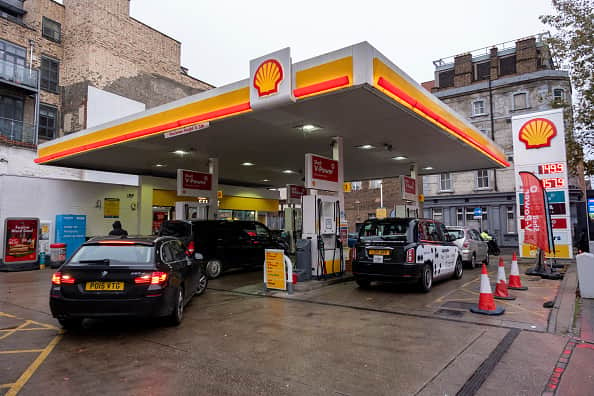

The RAC said the CMA’s fuel cost findings were “outrageous”. RAC head of policy Simon Williams said: “To see that drivers have paid £1.6 billion more than they should have in the last year is nothing short of outrageous, especially when so many are dependent on their vehicles.
“Drivers have every right to feel ripped off, especially knowing there is virtually no market competition between retailers. The report is, once again, confirmation of what we have known and been campaigning against for many years.”
He added: “We have already written to the new Energy Secretary, urging him to implement its recommendations as quickly as possible. This means greater transparency of fuel prices from all retailers and, most importantly of all, a price monitoring body that can take decisive action on retailers whenever drivers are overcharged. This can’t happen soon enough.”