
Money woes for dog owners as inflation to cause 50% food price rise by 2035
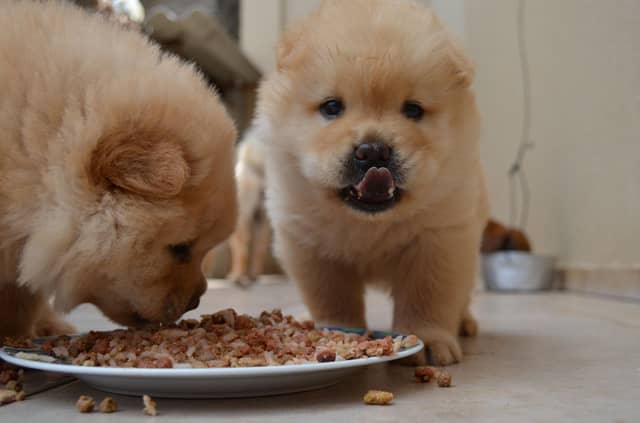

Many daily items, from food to household products, have become victims of shrinkflation in recent years, and dog products are no exception.
Research from dog accessory brand TopDog predicts that owners are set to spend an average of 50% more a month on dog food and treats by 2035, if prices continue to rise at the rate they have for the last 10 years.
Products such as dog poop bags and grooming gloves have also fallen foul to an increase in price, with some suffering badly from so-called ‘shrinkflation’ – where the product size has gone down as prices have risen.
The historic prices of popular products from the website Zooplus were checked by TopDog on Wayback Machine, and then compared to the present day.
Unsurprisingly, dog food has seen a big increase over the years, but smaller products have also seen a rise, and even the little increases can add up. Some of the biggest price increases include:
| Product | 2015 | 2025 | %+/- in last decade | 2035 prediction |
| Grooming Glove | £0.99 | £3.79 | 282.83% | £14.50 |
| Chappie Original (12 x 412g) | £8.99 | £20.99 | 133.48% | £49.01 |
| Cesar Classic Trays 14 x 150g | £7.49 | £15.59 | 108.14% | £32.45 |
| Arden Grange Partners Saver Pack 24 x 395g | £22.99 | £46.29 | 101.35% | £93.20 |
| Arden Grange Adult - Fresh Chicken & Rice (12kg) | £26.99 | £44.99 | 66.69% | £74.99 |
It is particularly shocking to see that grooming gloves could cost a whopping £14.50 in 10 years if they continue to increase in price at the rate seen since 2015. For those on a budget, there will also be nerves around the idea that 12 cans of Chappie, historically a more affordable food choice, could rise another 133% in cost. More than doubling in price since 2015, this would price a dozen cans of this dog food at almost £50.
Danielle Taylor, owner of Good Dog Pet Care Services, warns of what rising dog product prices might mean: “The worry that myself and other professionals have is that this causes a dip in the overall health and well-being of our beloved pets.
Owners may opt for a cheaper food alternative, which may have long-term health implications, such as poor dental health. I have also seen cases of owners delaying seeking veterinary care due to fear of costs, and hoping they can resolve the issue at home. Both of these factors have an incremental impact on animal health long term, and I feel for owners as they’re only doing the best they can for their pets.”
It’s not just rising prices that are causing owners the pinch, but it’s also the size decrease that’s having an impact.
Many would assume that a price increase would mean you’d get the same amount for your money, but some products, such as dog food, have not only risen in price over the years, but also reduced in amount or weight.
- Pedigree Adult Complete kibble - In 2015, you could get a 15kg bag for £22.99, but now it is nearly £30 and only 12kg - this is a 30% increase in price and a 20% decrease in size.
- Biodegradable dog poop bags have increased slightly in price from £1.99 to £2.29, but also gone from offering 80 bags in a roll to 72 - this is a 15% increase in price and a 25% decrease in size.
- Pedigree Biscrok Gravy Bones were £1.89 in 2015 versus £2.19 today, and have decreased by 100g (500g down to 400g) - this is nearly a 24% increase in price and a 20% decrease in size.
Dog owners are surely feeling the pinch, with search data highlighting how much people are looking to cut costs. Ahrefs data shows an average of 2,900 monthly searches for “cheap dog food” in the UK, and AlsoAsked data shows people asking “Why is dog food so expensive?” or “Is it cheaper to cook or buy dog food?”
Owner of a newly adopted puppy called Twiglet, Sammy Marshall, says that unless her other outgoings were to reduce, she’d have to look at giving up her own treats in favour of her dog: “Each month, he gets an 8kg bag of kibble, up to 40 packs of wet food pouches, roughly six dental sticks, and an undetermined amount of training treat bags.
If prices were to rise a lot, I expect I'd be giving up some of my own treats to prioritise giving my dog healthier food options. And unfortunately, as a lot of cheaper brands mean you need to compromise on quality, I’d probably look into healthier treat options and ways I can use foods we would already be buying as part of our own shop (veggies, meats, etc).”
Danielle continues to advise that ultimately, doing research is what is going to help dog owners cut costs: “There are many great tools that are non-biased to help owners make the best choice possible. I often refer people to All About Dog Food, where they can make the best choice of dog food based on cost and nutritional value.
It is tempting to buy cheaper dog food, but these often have higher levels of bulking ingredients and refined meats, which aren’t the best for dogs. But if you are struggling with cost, and want to go cheaper, you can buy “complete kibble” (making sure carbohydrates are under 50%) and then increase the nutritional value with ‘toppers’. This could be a couple of tins of 50p sardines from the supermarket each week.
Another important thing dog owners can do is purchase the best quality food they can. Focus on getting the best nutrition for their main diet and pull back on the treats and other extras. You can also invest in longer-lasting treats or reusable treat toys that are more expensive to buy at first but will last and can be switched to keep the interest going.”
Visit TopDog’s report to get the full breakdown of cost comparisons over the years.