
Kenny Mcintyre: BBC Radio Scotland presenter reveals he has been diagnosed with prostate cancer

BBC Radio Scotland presenter Kenny Mcintyre has revealed on air that he has been diagnosed with prostate cancer.
The Sportsound star made the announcement during an episode of Off The Ball on Saturday afternoon (November 28).
Mcintyre, 57, told presenters Tam Cowan and Stuart Cosgrove: “Obviously it’s not the news anyone wants to be told but I am very lucky to have caught this early, and I believe that is only because I pushed for regular testing.
“I had absolutely no symptoms and all examinations indicated things were normal.”
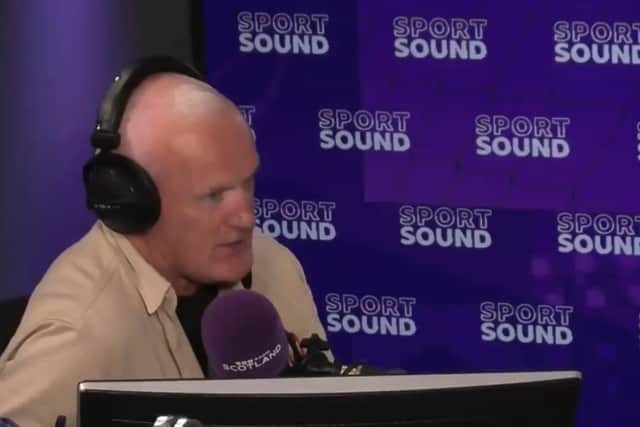

Mcintyre revealed that he had pushed for three-monthly tests due to having a family history of the cancer, with three of his uncles being diagnosed in the past. He added: “Had it not been for the regular checks, which revealed the rising trend in my PSA levels, things may be very different.”
His admission comes after the UK's National Screening Committee this week recommended that only those with a confirmed genetic risk of prostate cancer should be screened for the cancer.
While early prostate cancer is often symptomless, some people may experience some symptoms as the illness progresses. According to the NHS, these symptoms include:
- finding it difficult to start peeing or straining to pee
- having a weak flow of urine
- "stop start" peeing
- needing to pee urgently or often, or both
- feeling like you still need to pee when you've just finished
- peeing during the night
- erectile dysfunction
- blood in your urine or blood in your semen
- lower back pain and losing weight without trying to
Mcintyre used his announcement to urge men over the age of 50 with a history of prostate cancer in their family to push for regular prostate-specific antigen (PSA) testing. This is a blood test which measure the levels of the protein made by the prostate gland.
He added: "I've got great family, great friends, brilliant colleagues from reporters to pundits to commentators but my kids are my world and I had to tell them. That was difficult.
“Then I got the biopsy and was told I'd got cancer. I felt I kind of knew but when you do get told its surreal. But the kids have been amazing.
"I consider myself lucky because I was pushy. If you have family history, even if you have no symptoms, push to get regular testing and see if there's a trend there. If there is, push for an MRI and, if you need to, a biopsy.”
- If you have been affected by any of the topics raised in this article, you can contact charity Prostate Cancer UK for support. You can contact the charity on 0800 074 8383 or by visiting the Prostate Cancer UK website.