
Doctor explains why you’re losing more hair this winter and what you can do about it
Dr Balwi from Elithair shares the three main reasons your hair is falling out this winter and what you can do to fix it
According to Google Trends, there’s been a 30% increase in the number of searches for the term: ‘Does vitamin D deficiency cause hair loss?’. Some people are reporting that changes in temperature and environmental conditions during the winter months accelerate hair loss with one user commenting on X ‘My hair is falling out so bad it’s not even funny anymore’.
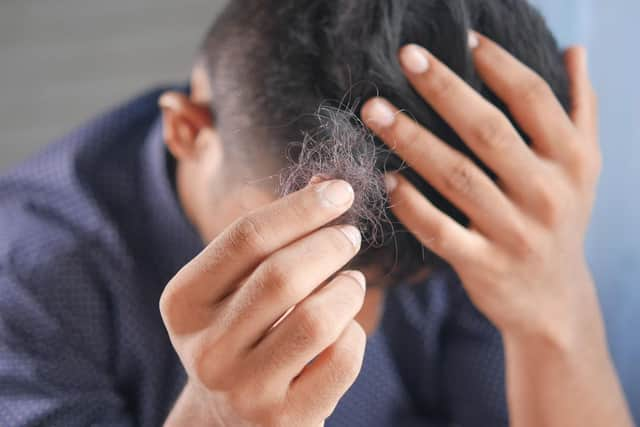

Dr Balwi, hair loss expert from https://elithair.co.uk/ , the world’s biggest hair transplant clinic, is sharing why people experience increased hair loss during the winter and what they can do about it to ensure healthy hair growth all year round.
Causes of winter hair loss
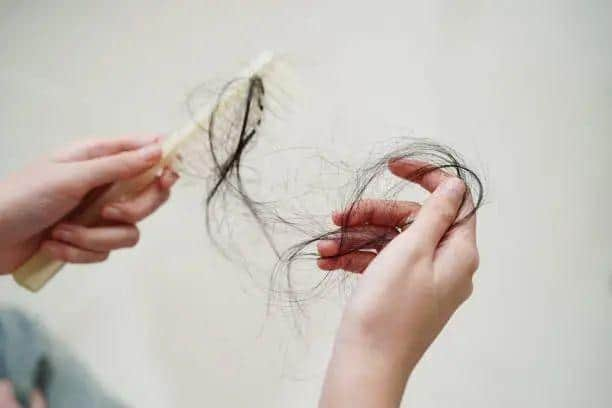
Lack of Vitamin D
Going into the winter, we see far less sunlight, with an average of just 8 hours of sunlight per day in the UK. With most people busy indoors throughout the day, it is common for people to experience a vitamin D deficiency.
A lack of vitamin D can contribute towards increases in hair loss as vitamin D supports hair follicle growth and function. The vitamin helps provide a signal during the hair growth phase (anagen) to encourage thicker hair production. The vitamin is vital in stimulating healthy hair growth and can lead to an increase in the amount of sebum on the scalp.
Vitamin D deficiency may cause hair loss and dull hair. Vitamin D aids hair follicle growth, so when the body does not have enough, this may affect hair growth. A review of the impacts of vitamin D and hair loss published in 2021 found that low serum vitamin D levels may cause androgenetic alopecia, also known as male and female pattern baldness*.
Stress and Lifestyle changes
With changes in the weather and reduced hours of sunlight, many find their moods can become affected. The NHS estimates that around 2 million people in the UK experience Seasonal Affective Disorder (SAD)**. Seasonal Affective Disorder is a condition whereby mood is greatly impacted by changes in the season. Increased stress on any level, can take a physical toll on the body and result in hair loss.
Emotional stress can trigger different types of hair loss like alopecia areata. It is reported that stress hormones affect the immune system, causing it to attack hair follicles which can lead to hair loss.
When the body is stressed, it prioritises sending nutrients to essential organs as opposed to non-essential functions like hair growth, this can affect the hair growth cycle causing hair to thin and shed.
Dry air and cold temperatures
Increased central heating exposure, as well as the cold temperatures, can cause the scalp to become dehydrated which is damaging for hair health***. In a 2021 census, ONS found that 74% of households in England and Wales use central heating. Central heating causes the air to become dry which strips moisture from the scalp.
When the scalp lacks moisture it becomes dry and itchy, causing irritation which affects hair growth. When the scalp is inflamed it causes the hair follicle to go into a resting (telogen) phase of hair growth sooner meaning hair fall increases.
What to do about winter hair loss
Increase vitamin D
Although it is difficult to increase vitamin D levels through sun exposure, taking vitamin D supplements and eating foods high in vitamin D can help to prevent a deficiency. Vitamin D supplements can be taken in the form of gummies, capsules or soft gels.
Foods high in vitamin D include:
Fatty fish e.g. Salmon, Tuna and mackerel
Free-range egg yolks
Mushrooms
Oranges
Manage stress levels
There are various techniques to manage stress levels which may help control stress-related hair loss. For most hair loss conditions triggered by stress, the effects are temporary and can be reversed once the trigger of stress is dealt with.
Regular exercise: As little as 30 minutes of daily exercise, causes a release of endorphins in the body and can help to manage increased stress. Sleep: Sleep helps to regulate mood and stress, adults typically need at least 6 hours of sleep per night and a good sleep routine.
Breathing and meditation: Stress-relieving techniques such as meditation or breathing exercises are a helpful way for some people to alleviate feelings of stress.
For those affected by Seasonal Affective Disorder, seeking advice from a medical professional on how best to manage stress is advised.
Keep your scalp moisturised
To help keep your scalp moisturised, use hydrating shampoos. It is important to use sulfate-free shampoos as Ingredients such as Sodium Lauryl Sulfate (SLS) or Sodium Laureth Sulfate (SLES) are harsh on the hair follicles and are responsible for stripping away its natural oils, making the scalp even drier. Instead, use shampoos with ingredients like aloe vera and hyaluronic acid which help to retain and restore moisture.
You should also try refraining from washing hair too regularly, washing it only 2-3 times a week to stop stripping the scalp of its natural oils and increasing dehydration.
It is important to stay hydrated and drink plenty of water to stop your skin and scalp from becoming dehydrated.