
Flu hospital admissions are rising sharply: symptoms, who can get a free jab and how to book
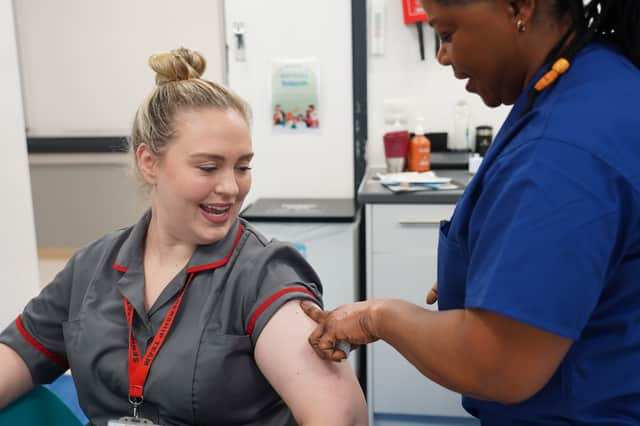
Health officials are urging millions of eligible people to get vaccinated as flu hospital admissions reach their highest level for this time of year since before the pandemic.
Flu hospital admissions are rising sharply in England, with health officials urging people who are eligible for a free vaccine to come forward as soon as possible.

The rate of flu admissions reached 9.0 per 100,000 people last week, up from 5.0 in the previous seven days, according to the UK Health Security Agency (UKHSA). That represents an increase of 80% in just one week.
Admissions are almost twice the level recorded in the equivalent week last year, when the rate stood at 4.9 per 100,000. UKHSA data shows flu admissions have not been this high at this point in November in any previous year this decade.
Emergency department attendances for flu-like illnesses are also now above seasonally expected levels, while NHS England chief executive Sir Jim Mackey has warned hospitals should prepare for a “horrible spike in flu”.
Dr Suzanna McDonald, national lead for the flu programme at UKHSA, said the increase had arrived unusually early and urged anyone eligible for vaccination to get protected.
So what are the symptoms to look out for, when should you seek medical help and who can still get a free flu jab?
What are the main symptoms of flu?
Flu often develops much more suddenly than a common cold and can leave people feeling too unwell to carry on with their normal activities.
According to the NHS, common symptoms include a sudden high temperature, aching muscles, feeling tired or exhausted, a dry cough, sore throat, headache, difficulty sleeping and loss of appetite.
Children can have similar symptoms but may also experience ear pain, sore eyes and swollen glands, or appear less active than normal.
A cold tends to develop more gradually and mainly affects the nose and throat. Flu can come on within a few hours and is more likely to cause widespread aches and severe tiredness.
How long does flu last?
For many otherwise healthy people, flu will get better without medical treatment.
Rest and plenty of fluids can help while the body fights the infection. Recovery can take longer for older people and those with underlying health conditions.
People are particularly likely to pass flu to others during the first few days of their illness, so anyone with a temperature or who feels too unwell to carry out their normal activities should try to stay at home and avoid close contact with others.
Regular hand washing, covering coughs and sneezes and disposing of used tissues quickly can also reduce the risk of spreading the virus.
When should you contact a doctor about flu?
Most cases can be managed at home, but some people have a greater risk of becoming seriously ill.
The NHS advises seeking an urgent GP appointment or contacting NHS 111 if you have flu symptoms and are aged 65 or over, are pregnant or have recently given birth, have a long-term medical condition or have a weakened immune system.
People should also seek urgent advice if they feel very unwell, become short of breath or their symptoms have not improved after seven days.
Call 999 or go to A&E for sudden chest pain, severe difficulty breathing or if you begin coughing up blood.
Who can get a free flu jab?
For the 2026/27 flu season in England, the free NHS vaccine is available to adults who:
- are aged 65 or over, including anyone who will turn 65 by March 31, 2027
- are aged 18 to 64 and have certain long-term health conditions
- are pregnant
- live in a care home
- are the main carer for an older or disabled person, or receive Carer’s Allowance
- live with someone who has a weakened immune system
- are aged 16 or over and are rough sleeping or staying in a homeless hostel or night shelter.
Frontline health and social care workers can also receive a flu vaccine, normally through their employer.
Long-term conditions that can make someone eligible include certain lung and heart conditions, kidney or liver disease, diabetes, some neurological conditions and conditions or treatments that weaken the immune system.
People with a learning disability, certain spleen conditions and those with a body mass index of 40 or above can also qualify. Anyone unsure whether their condition makes them eligible should contact their GP surgery or pharmacist.
Can children get a free flu vaccine?
Children aged two or three on August 31, 2026 are eligible, along with school-aged children from reception to year 11.
Children aged from six months to 17 years can also be eligible if they have certain long-term health conditions that put them at greater risk from flu.
Most school-aged children are offered the vaccine through school. Children who miss their school vaccination can be offered another appointment through a community clinic, while participating pharmacies will also be able to vaccinate school-aged children from December 1.
How do I book a flu jab?
Eligible adults in England can book a flu vaccination through the NHS online booking service or NHS App, contact their GP surgery, or use a participating pharmacy.
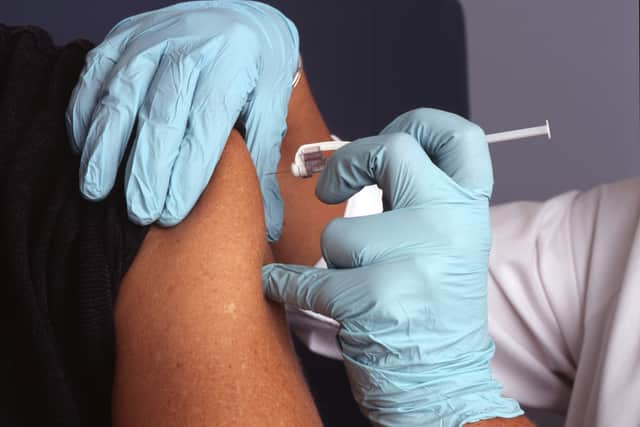
Many pharmacies are also offering walk-in vaccinations without an appointment. People who cannot book online can call 119 free of charge.
The NHS says flu vaccinations will remain available until March 31, 2027, although health officials are encouraging eligible people not to delay.
Will this year’s flu vaccine work against the virus spreading now?
The main flu virus currently circulating is a type of influenza A known as H1N1.
UKHSA experts have found that the virus has picked up some changes, described as “drift”, compared with the strain used when vaccines were designed.
However, Dr McDonald said a similar change happened last winter and the vaccine still offered good protection. UKHSA currently has no reason to believe this season’s vaccine will not also work well, with further effectiveness data expected as more cases emerge.
Vaccination does not provide immediate protection. It can take around two weeks for the body to build its strongest immune response, which is one reason health officials are urging eligible people to get vaccinated now rather than waiting for flu levels to rise further.