
How To Support Neurodivergent Families This Festive Season

With continuing delays for autism and ADHD assessments as the NHS deals with the waiting list of over half a million people, many families that are waiting for support will find the festive season particularly challenging.
The long days, disrupted routines, bright lights, unexpected smells, noisy gatherings and unfamiliar food can combine into a sensory and emotional storm for those with ADHD and autism.
ADHD coach and registered nutritionist Sarah Osborne explains: “The Christmas period can feel like sensory overload for neurodivergent people. Children and teens in particular can find it difficult to cope. Typically, it comes with disruption to routine which is always tricky for young ones with ADHD and autism that find safety in the structure of set times and knowing what to expect.
“That applies to food too, as there will be many unfamiliar foods, mixed textures and strong flavours that can be unsettling for a nervous system that relies on predictability. Plus the pressure of company or well-meaning relatives insisting on certain foods or passing comment can create tensions.”
In some regions, the NHS has paused ADHD and autism assessments until the spring, whilst it deals with the existing backlog, whilst in others the waiting times can be many years.
Having worked with hundreds of neurodivergent individuals in her clinical practice, So Nutrition, Sarah Osborne says the long wait times for assessments can be deeply distressing. She advises families that are in this predicament, particularly during the festive season, to follow some simple steps to reduce stress and support better balance through nutrition.
The links between nutrition and neurodivergent conditions such as ADHD and autism are becoming more widely recognised. Recently, Sarah Osborne shared insights with the Royal Society of Medicine on how diet, gut health and targeted nutritional approaches may influence brain function, mood, attention and behaviour.
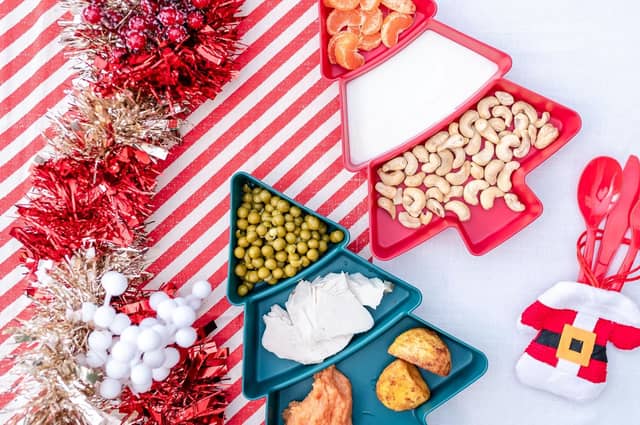
“Go for predictability over perfection, that’s my key piece of advice," says Sarah Osborne, herself a mother in a neurodivergent family. “It’s okay if your child or teen wants some of their usual foods – that familiarity helps them feel safe and is about how their brain is wired. Instead, try some minor adaptations to avoid food battles but ensure they still feel part of the celebration. Plain roast potatoes with a small bowl of optional gravy on the side, and turkey or chicken served plain with some of their usual sauces on hand, for example, can offer that safety.”
The science of sensitivities
Recent research showed that nearly eight in 10 neurodivergent people say they are highly sensitive to certain textures, tastes and smells. This can be attributed to “differences in neurological processing and sensory perception” according to nutritional therapist Sarah Osborne, and can be mapped under four key areas:
Psychological components
Anxiety and impulsivity (which are often associated with ADHD) can intensify food sensitivities and significantly impact dietary preferences. Children with ADHD often display an increased sensitivity to punishment signals, which can create anxiety towards trying unfamiliar foods or new flavours.
Neurobiological factors
Fluctuating dopamine levels, which are often associated with ADHD, impact eating habits and the need for instant gratification. The gut and brain interactions also mean that certain foods may feel more appealing.
Food allergies and nutrient status
Studies show a higher prevalence of ADHD among children with food allergies compared to those without. Additionally, people with ADHD and autism are often lacking certain nutrients as a result of their eating behaviours. These factors can increase food sensitivities.
Autism and ADHD
The significant interplay between ADHD and autism can further complicate food intake behaviours. Overlapping characteristics such as impulsivity, inattention and sensory processing can influence how food sensitivities manifest and the resulting emotional or behavioural responses.
Simple steps to a stress-free festive season
So Nutrition's Sarah Osborne shares her checklist for a calm and contented holiday season:
- Create a visual plan or daily schedule for the holiday season so your child knows what to expect. Don’t forget to incorporate some transition time to give them a chance to prepare for big moments and wind down afterwards.
- Keep your familiar routine and mealtimes as much as possible. These will act as key anchors through the holiday period and provide the familiarity they need.
- Have some of their preferred foods prepped and handy. You can make some of their favourites more festive, such as making toast into seasonal shapes with a cookie cutter, or pasta with a small star-shaped cheese topper on the side.
- Prepare for conversations around food to avoid heated situations and create a simple script if needed. If you’re being questioned by relatives about what’s on your child's plate, explain that it’s not about what or how much they eat – it’s about helping them enjoy the celebration.
- Make sure there’s a plan and space for downtime after meals to encourage quiet time somewhere calm. This might be their room or a soft-lit corner to relax in.
For support with ADHD, autism and eating behaviours, visit www.adhdandnutrition.co.uk